What Janitorial Supplies Does a Commercial Facility Need?
A commercial facility does not need a crowded supply room full of random cleaning products. In most cases, it needs a clear, practical janitorial supply program that covers daily cleaning, disinfection, odour control, washroom upkeep, floor care, staff safety, and inventory management.
A well-stocked facility does not need shelves full of random cleaners. It needs the right products in the right places, with clear instructions for staff. Too many products can create confusion, waste, and storage issues. Too few can leave teams scrambling in high-traffic areas like washrooms, entrances, lunchrooms, customer spaces, and production areas.
Here are the core janitorial supplies most commercial facilities should have.
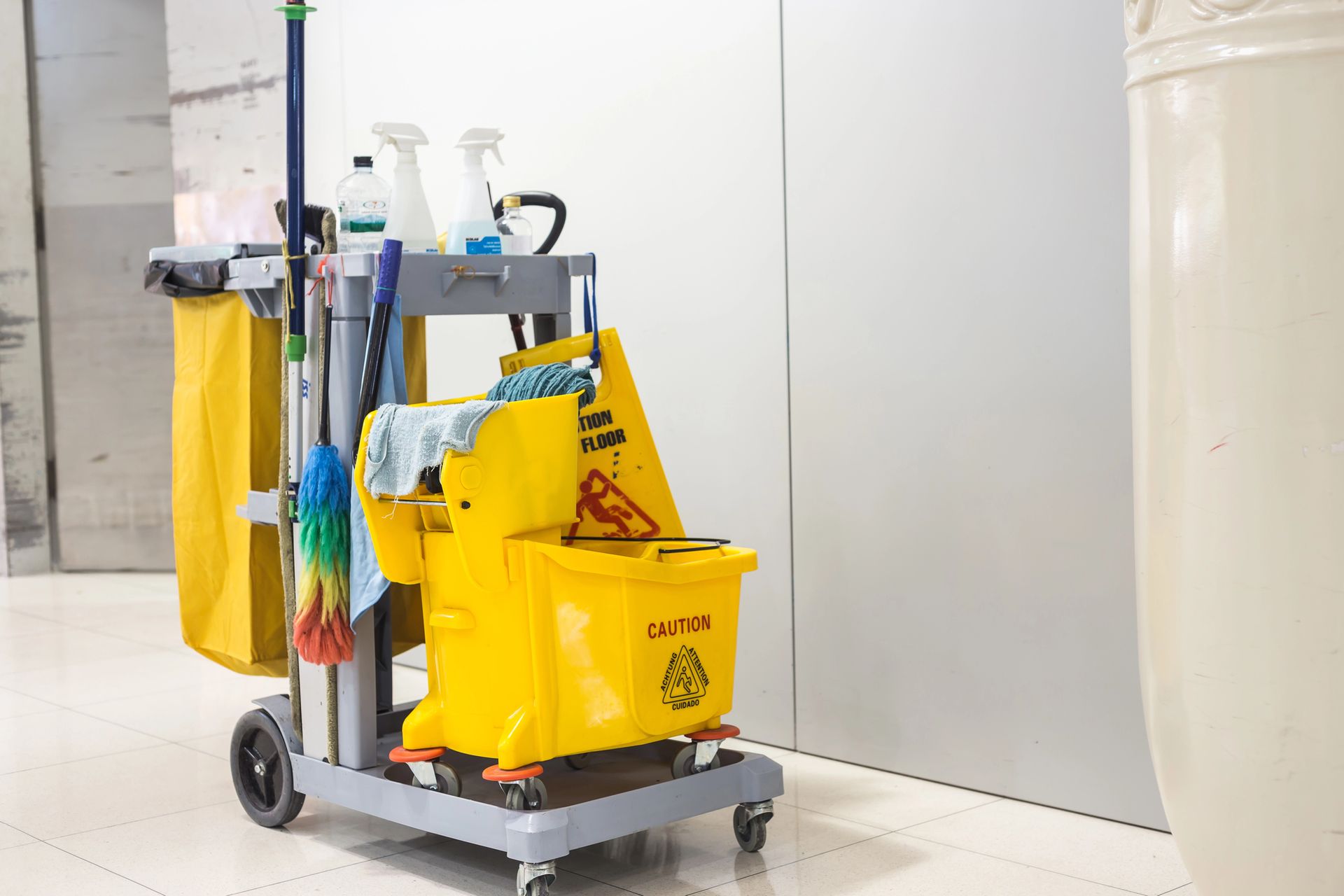
All-Purpose Cleaner
A good all-purpose cleaner is one of the most important products in a facility. It is used for everyday soils on counters, tables, desks, doors, walls, fixtures, and other washable surfaces. A concentrated all-purpose cleaner makes more sense than relying only on ready-to-use bottles. Concentrates can reduce storage space, lower cost per use, and make reordering simpler when paired with proper dilution instructions or dispensing equipment.
Disinfectant
Cleaning and disinfecting are not the same thing. Cleaning removes dirt, grease, and visible residue. Disinfecting helps reduce germs on surfaces when used according to the product label. Commercial facilities should keep disinfectant available for high-touch areas such as door handles, light switches, washroom fixtures, lunchroom tables, counters, railings, and shared equipment.
One common mistake is using disinfectant as a general cleaner for everything. In most cases, surfaces should be cleaned first, then disinfected where needed. Staff should also understand contact time, safety directions, and where disinfectant is actually required.
Odour Control
Odour control is especially important in washrooms, garbage areas, locker rooms, automotive spaces, hospitality settings, and facilities with high foot traffic. Air fresheners can help, but they should not be used to cover up poor cleaning. The source of the odour still needs to be addressed. That may mean cleaning drains, emptying waste more often, improving ventilation, or using the right product on floors and surfaces. A good odour control plan supports a cleaner impression for customers, employees, and visitors.
Dispensing Tools
Dispensing tools help reduce waste and improve consistency. This can include dilution control systems, spray bottles, labelled bottles, pumps, wall-mounted dispensers, and measuring tools. Without proper dispensing, staff may use too much chemical, too little chemical, or mix products incorrectly. That can affect cleaning results, safety, and overall supply costs.

PPE and Safety Supplies
Personal protective equipment should match the products used and the work performed. Gloves, eye protection, masks, aprons, spill supplies, and proper labelling may all be needed depending on the facility. Safety data sheets should be accessible, and staff should know not to mix chemicals unless the label specifically allows it.
Paper Products and Washroom Supplies
Paper towel, toilet paper, hand soap, garbage bags, liners, feminine hygiene disposal supplies, and dispensers are basic but essential. Running out of these items creates immediate complaints and reflects poorly on the facility. For busy buildings, bulk ordering and reorder points can help prevent last-minute shortages.
Mop Systems and Floor Care Tools
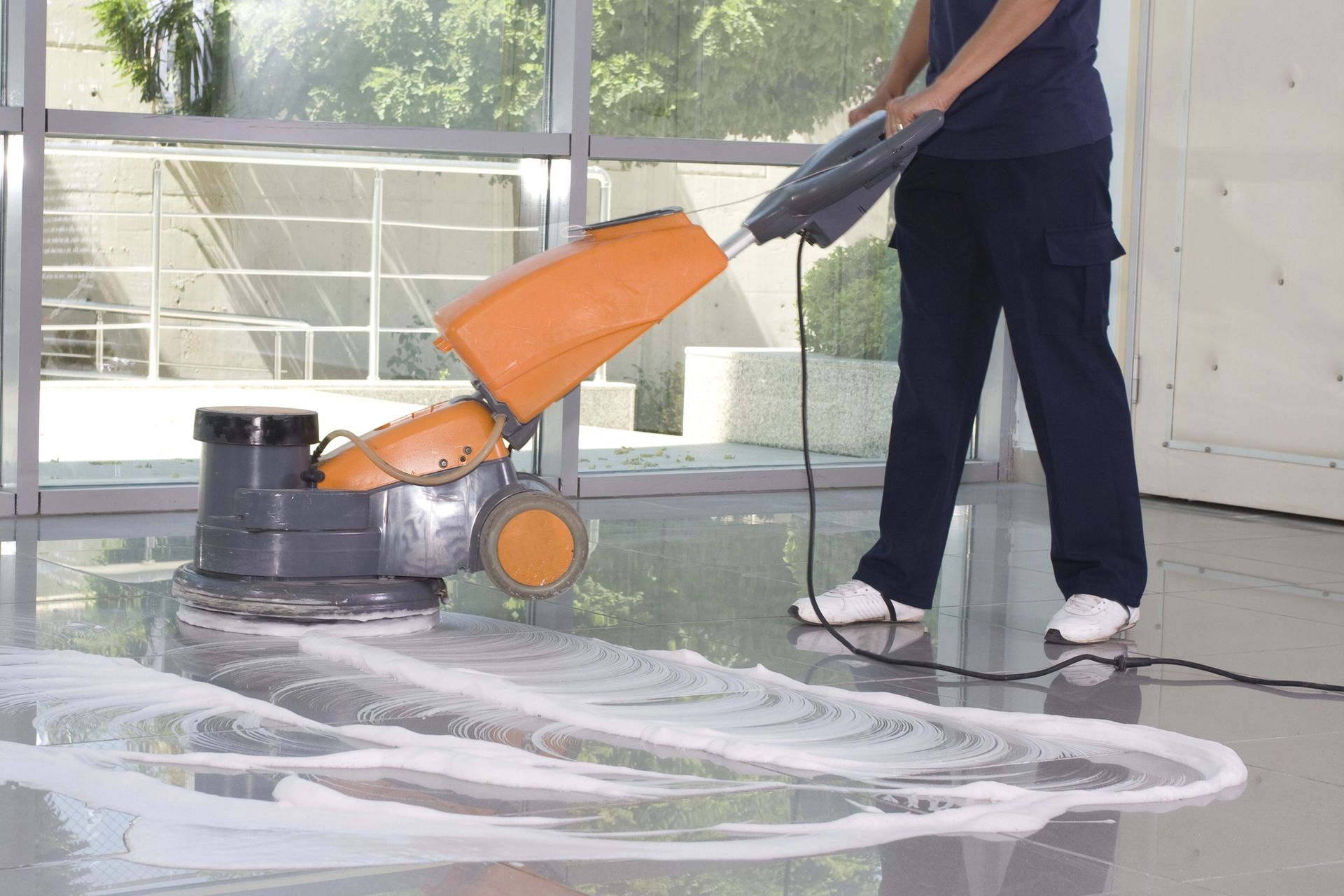
Facilities need the right floor tools for the space. That may include mops, buckets, wringers, wet floor signs, brooms, dustpans, dust mops, floor squeegees, and floor cleaning chemicals. Entrances, washrooms, kitchens, warehouses, and production areas may all need different floor care routines.
Storage and Inventory Control
A clean facility also needs an organized supply area. Products should be labelled, separated where required, stored safely, and easy for staff to find. The goal is not to buy every possible product. The goal is to build a simple janitorial supply system that your team can actually follow.
For most commercial facilities, that starts with the essentials: all-purpose cleaner, disinfectant, odour control, dispensing tools, PPE, paper products, mop systems, and proper storage. With the right setup, your facility can stay cleaner, safer, and easier to manage without overspending on supplies you do not need.
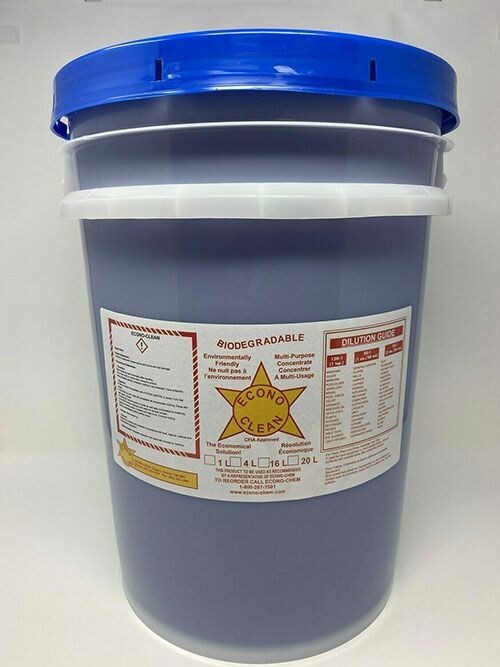
Multi Purpose Cleaner 20 Litres. Econo-Clean Concentrate
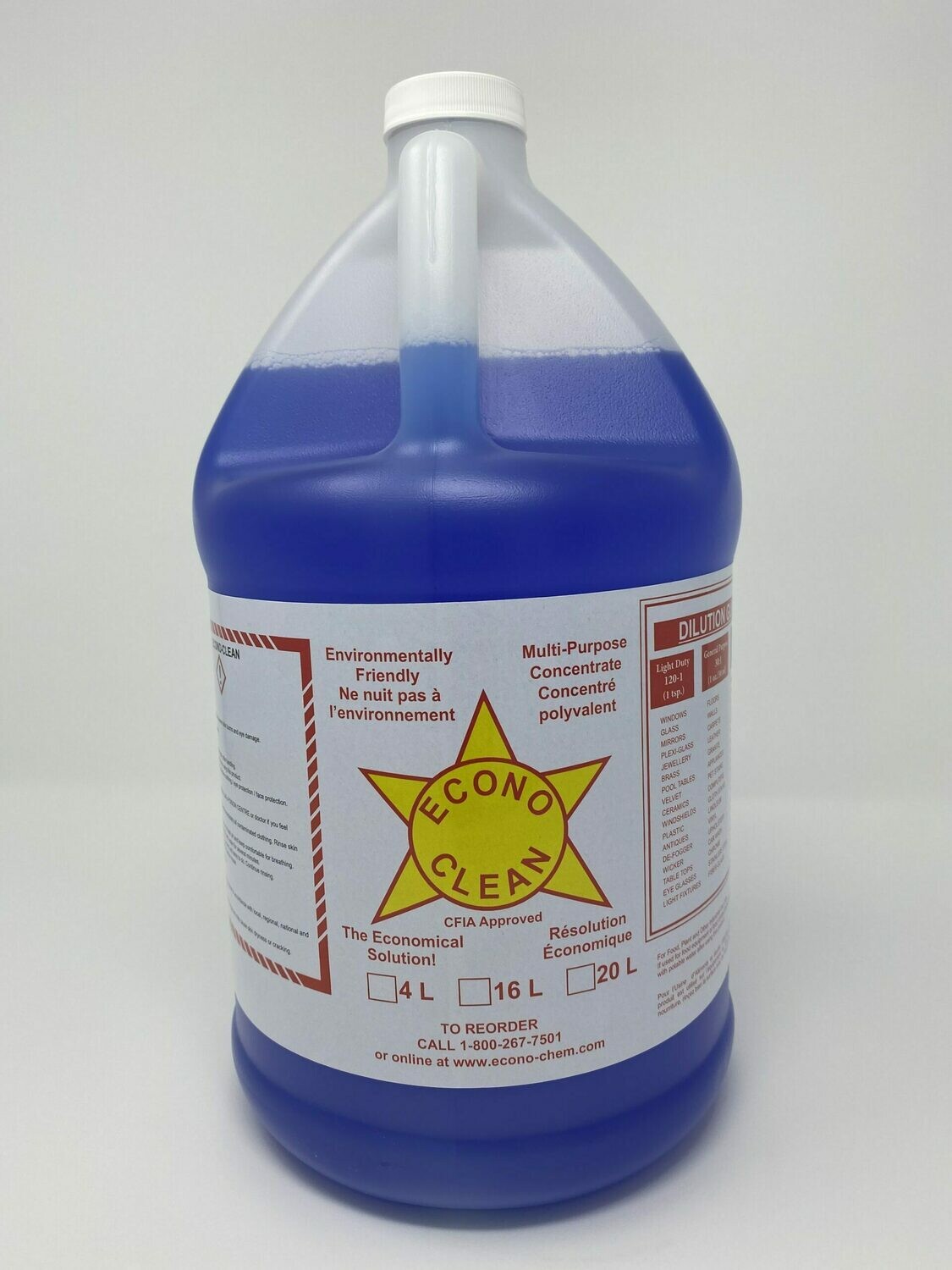
Multi Purpose Cleaner 4 Litres. Econo-Clean Concentrate
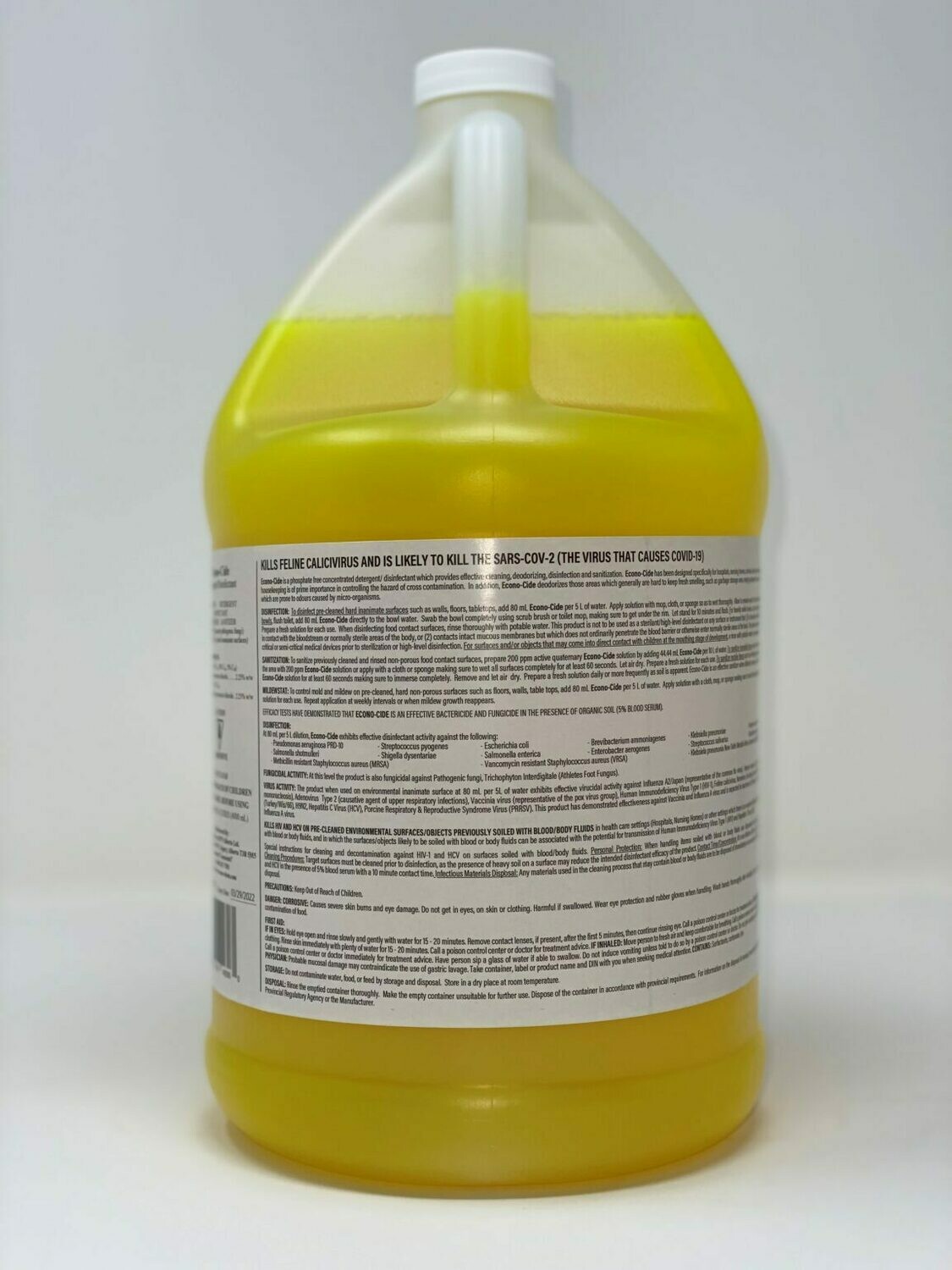
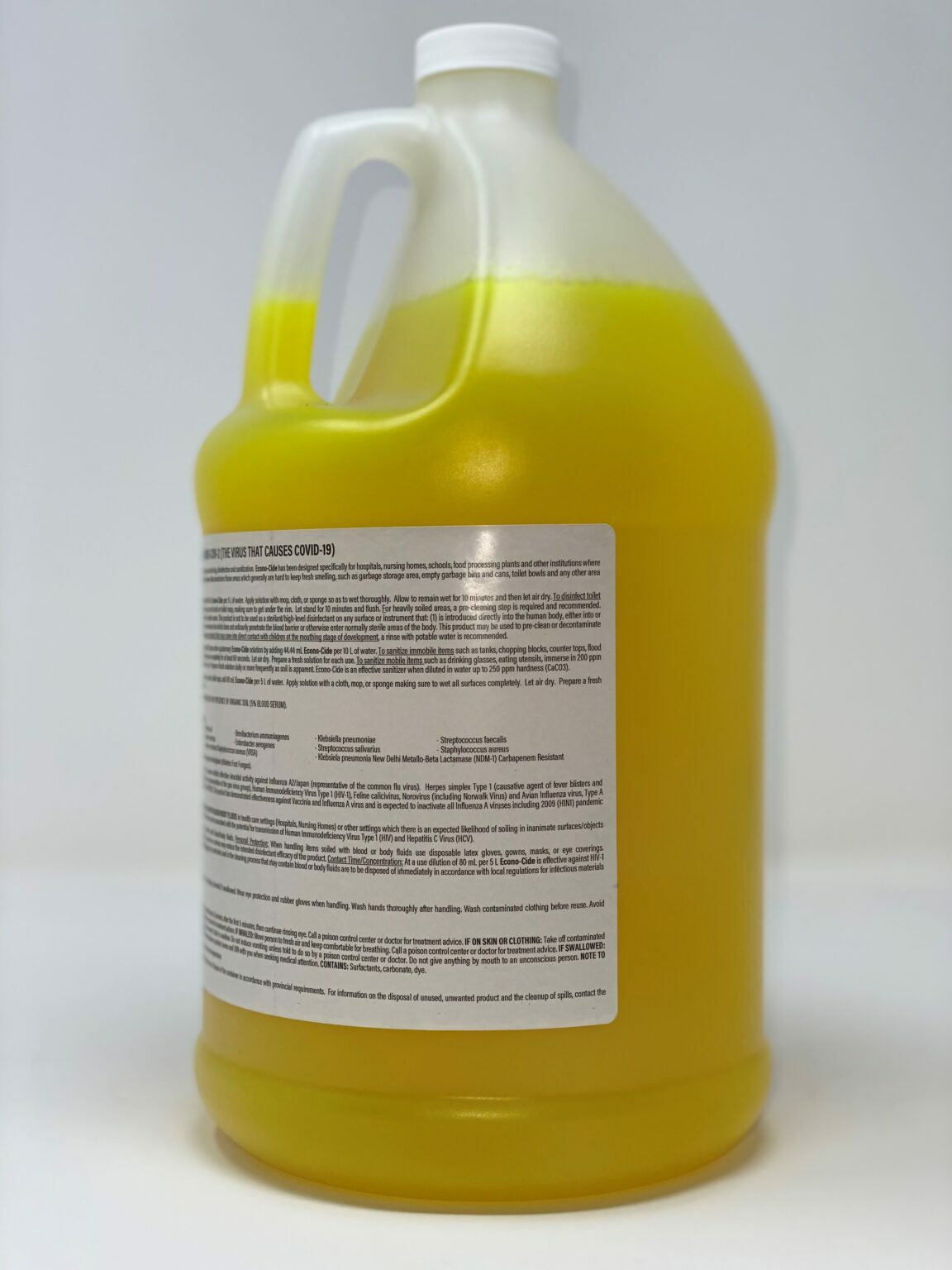
Disinfectant Spray-Econo-Cide
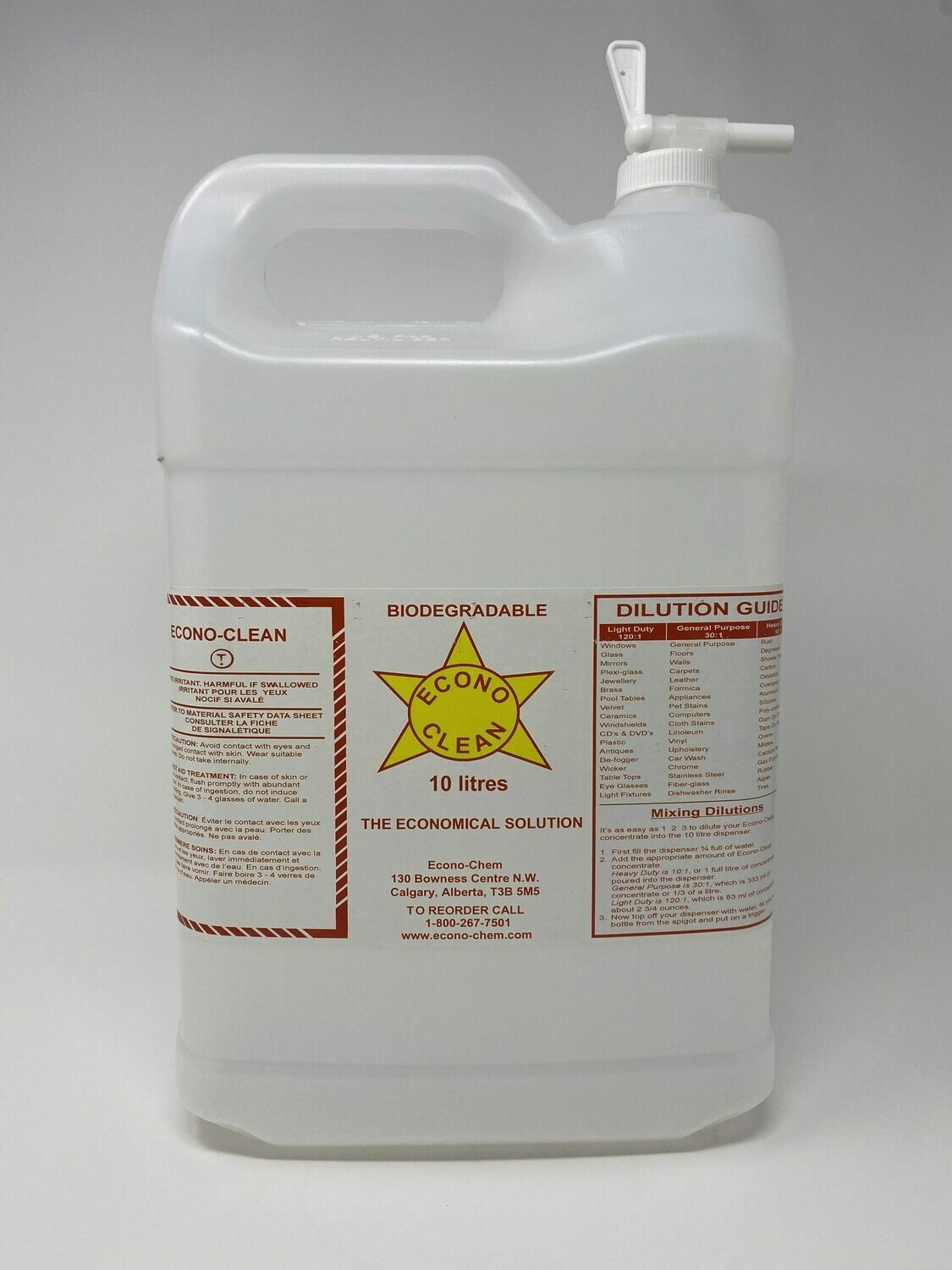
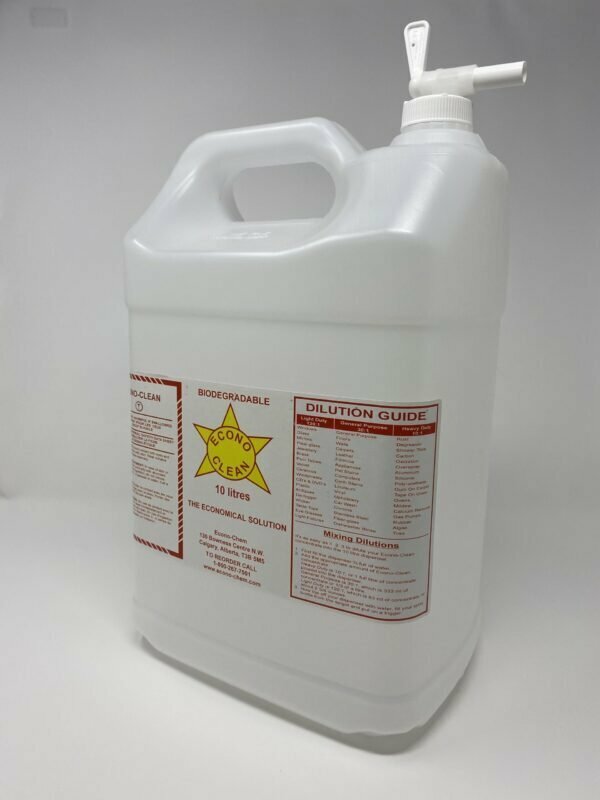
EZ-Fill 10 litre Dispenser
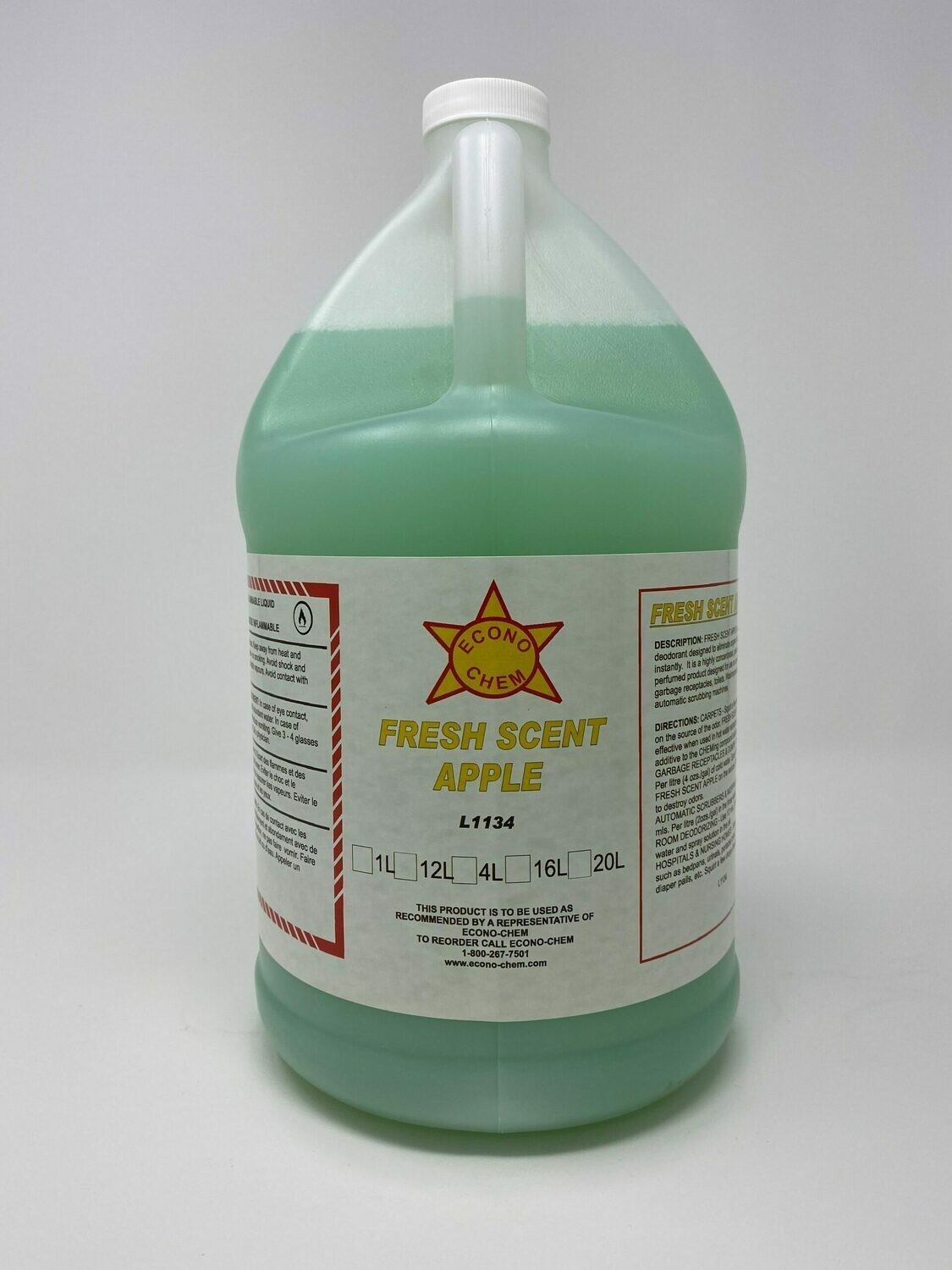
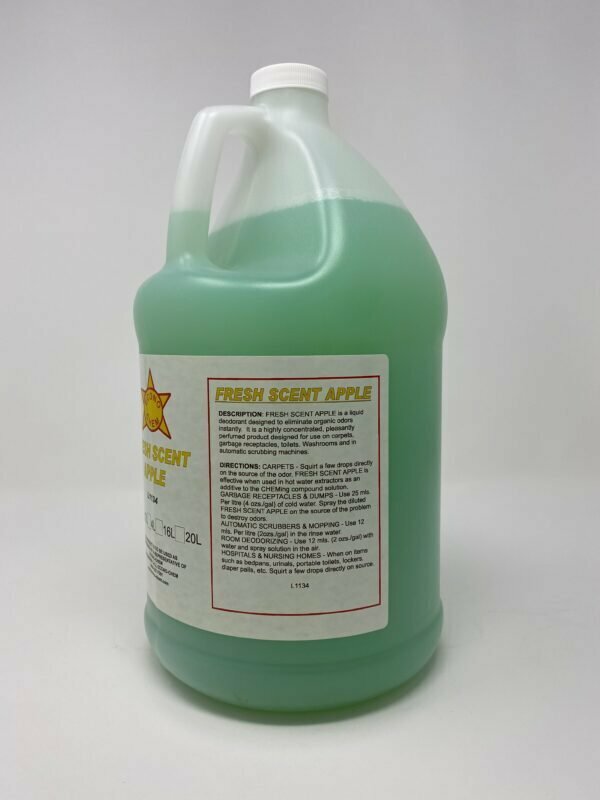
Fresh Scent Apple
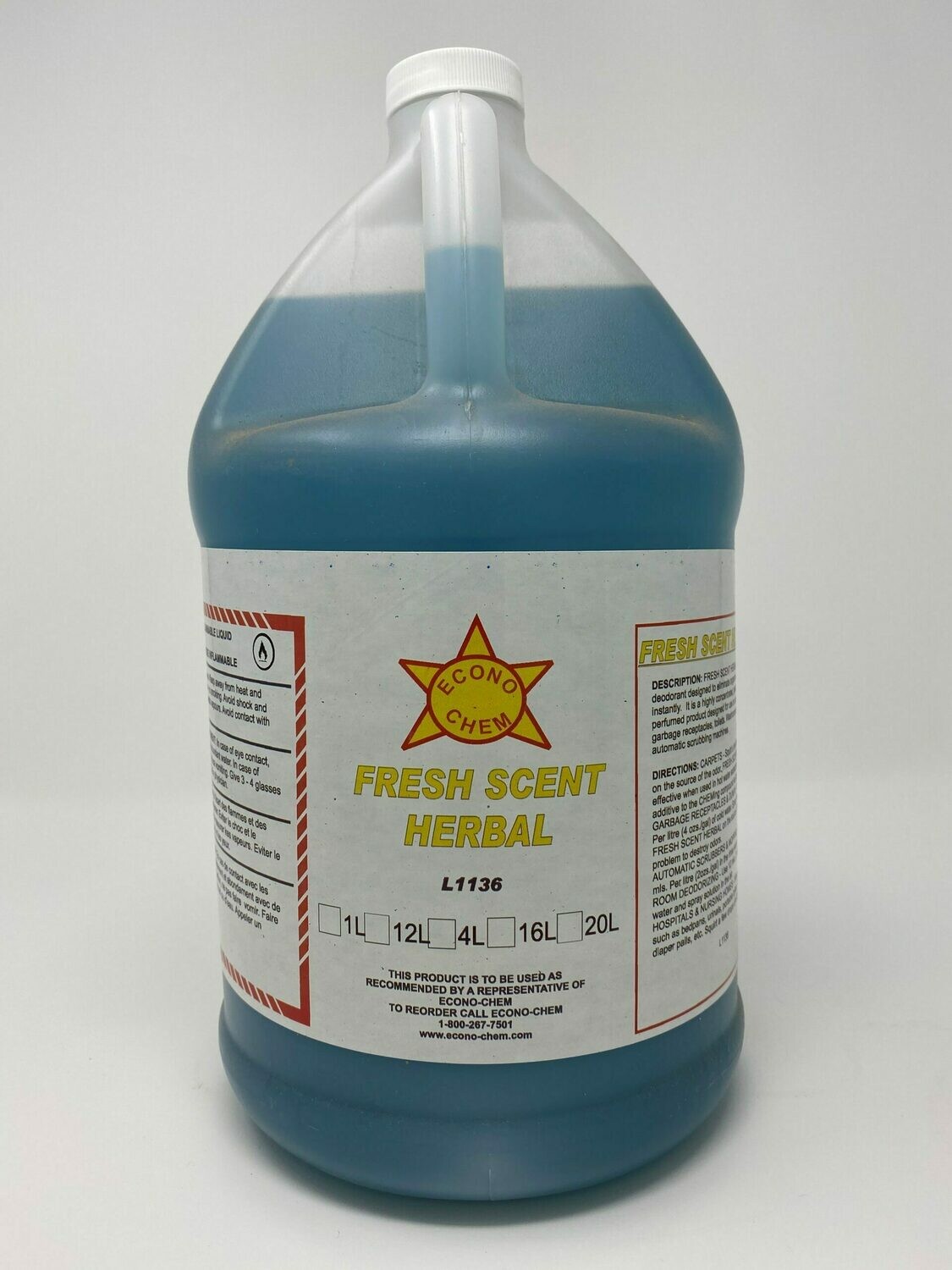
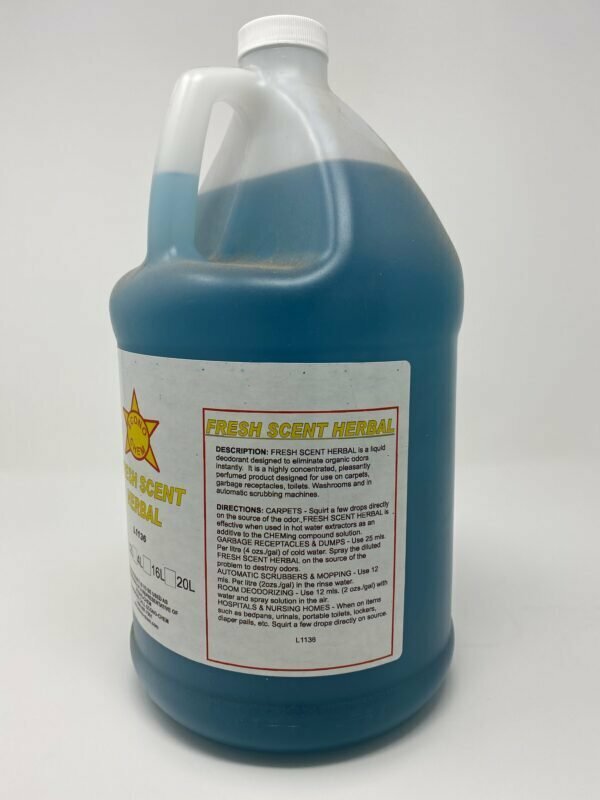
Fresh Scent Herbal
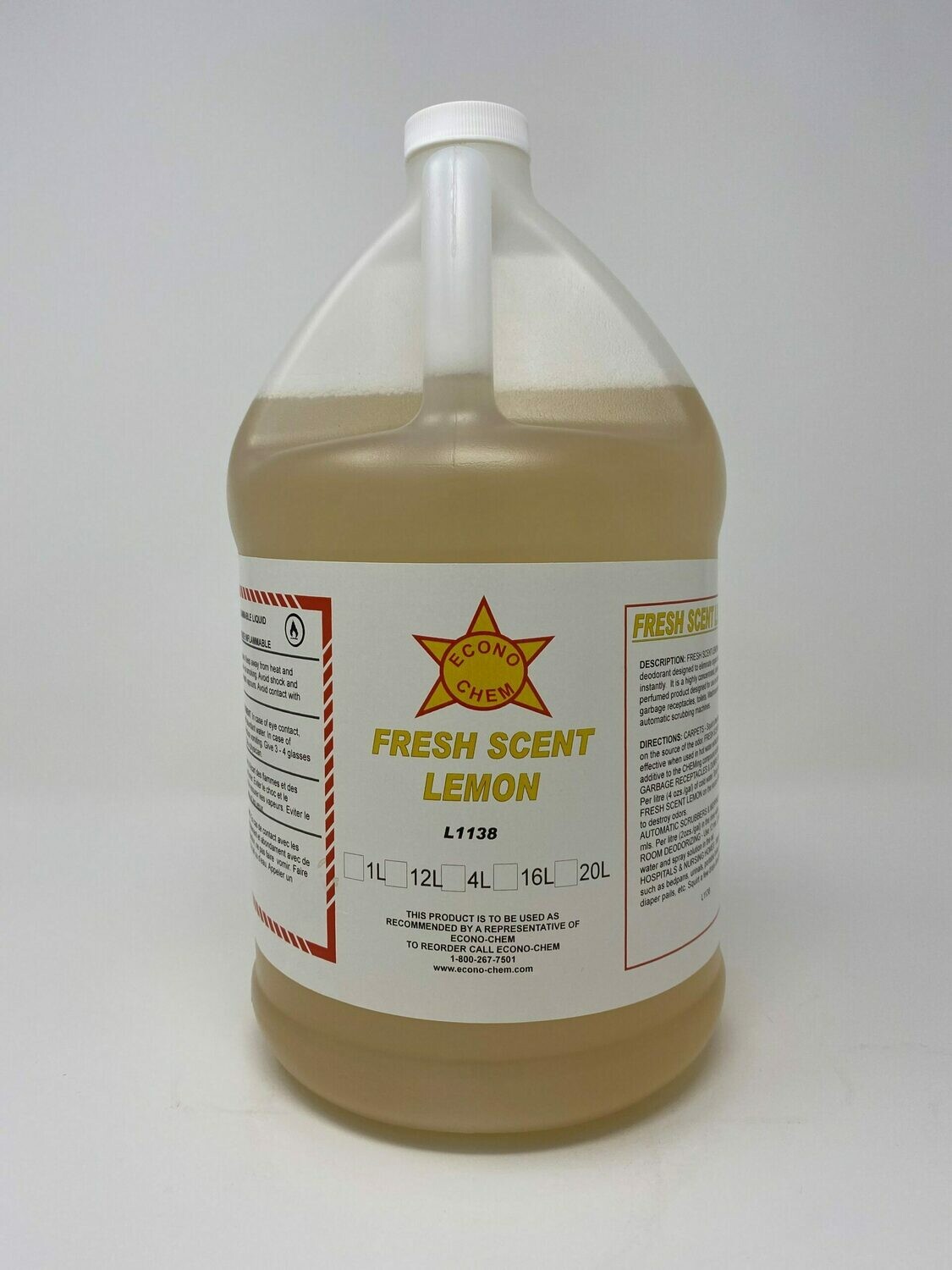
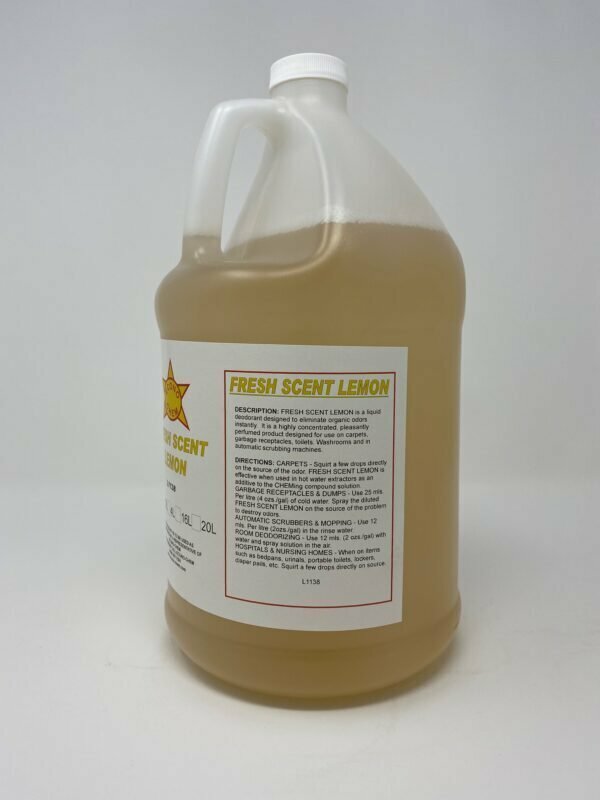
Fresh Scent Lemon
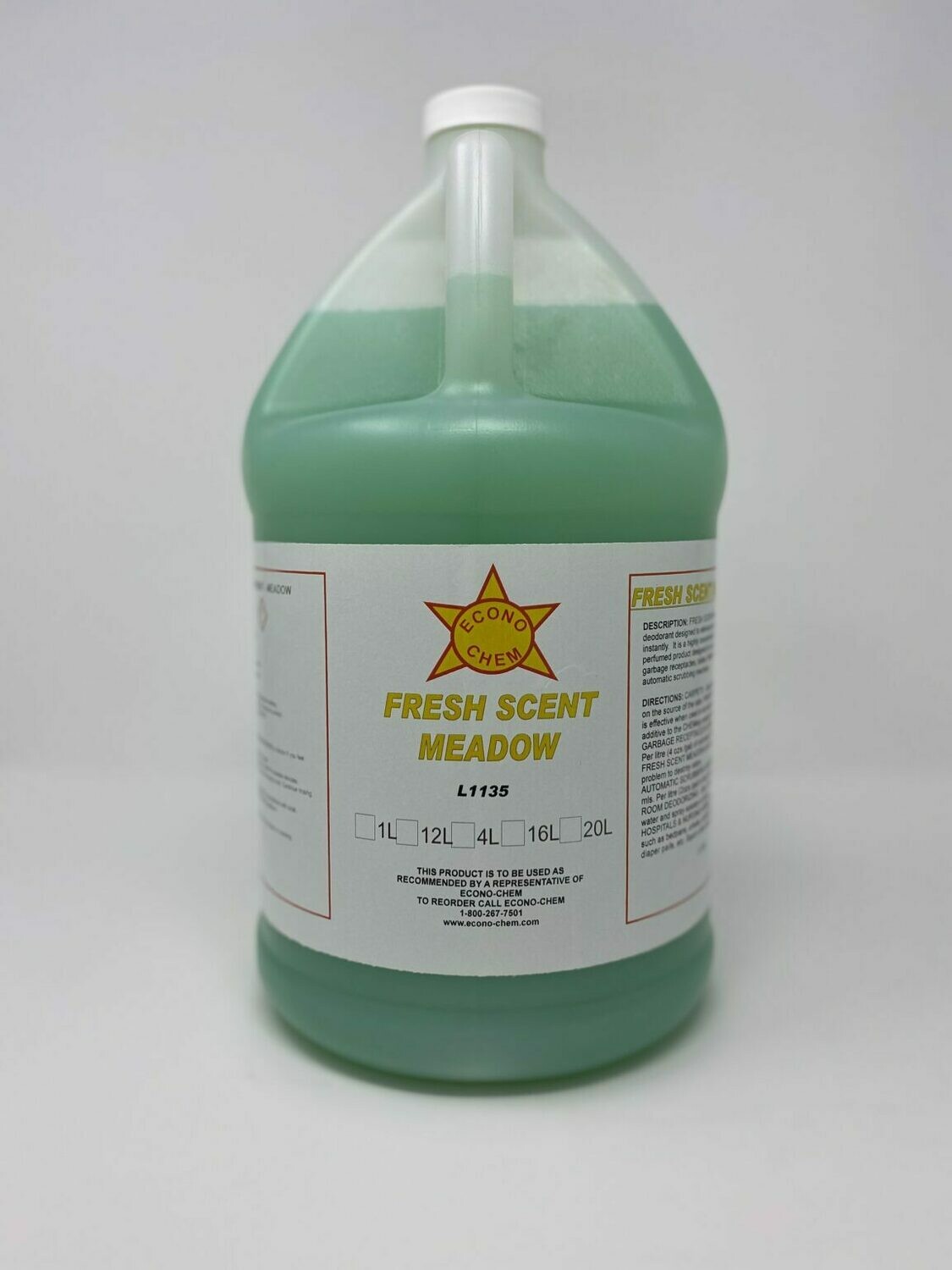
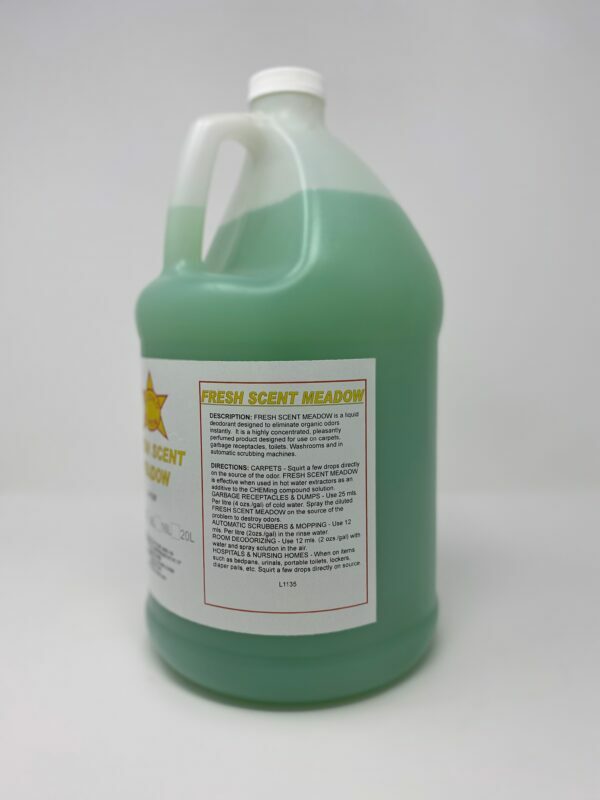
Fresh Scent Meadow
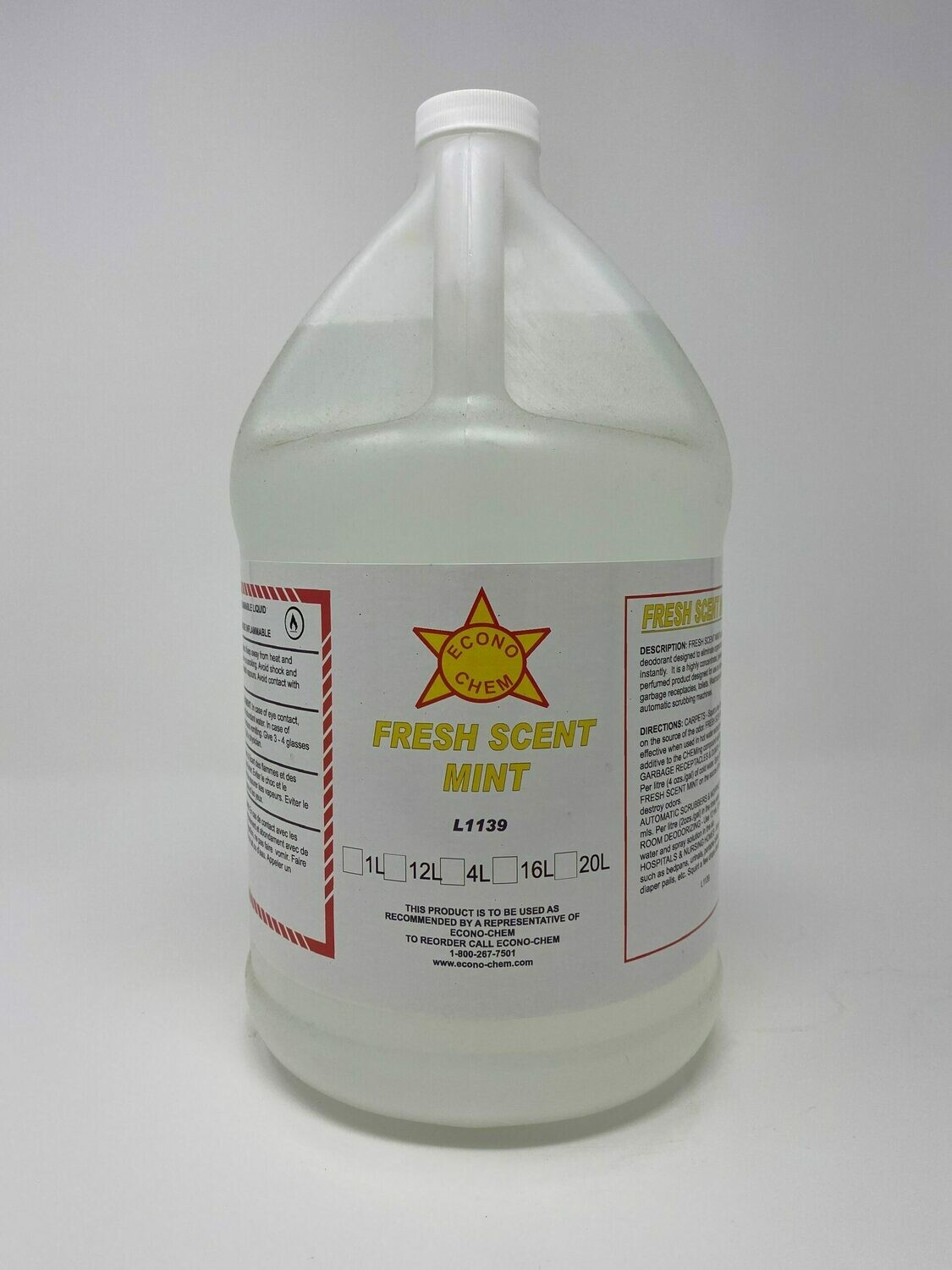
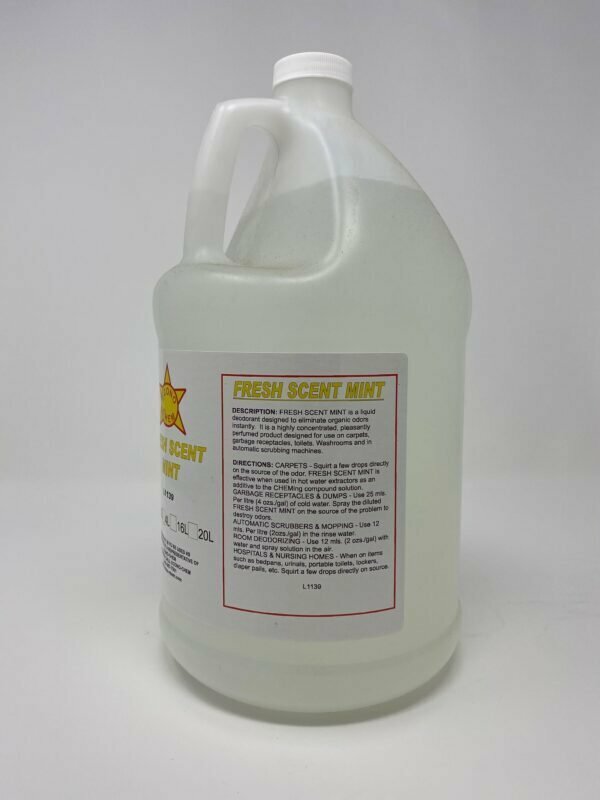
Fresh Scent Mint
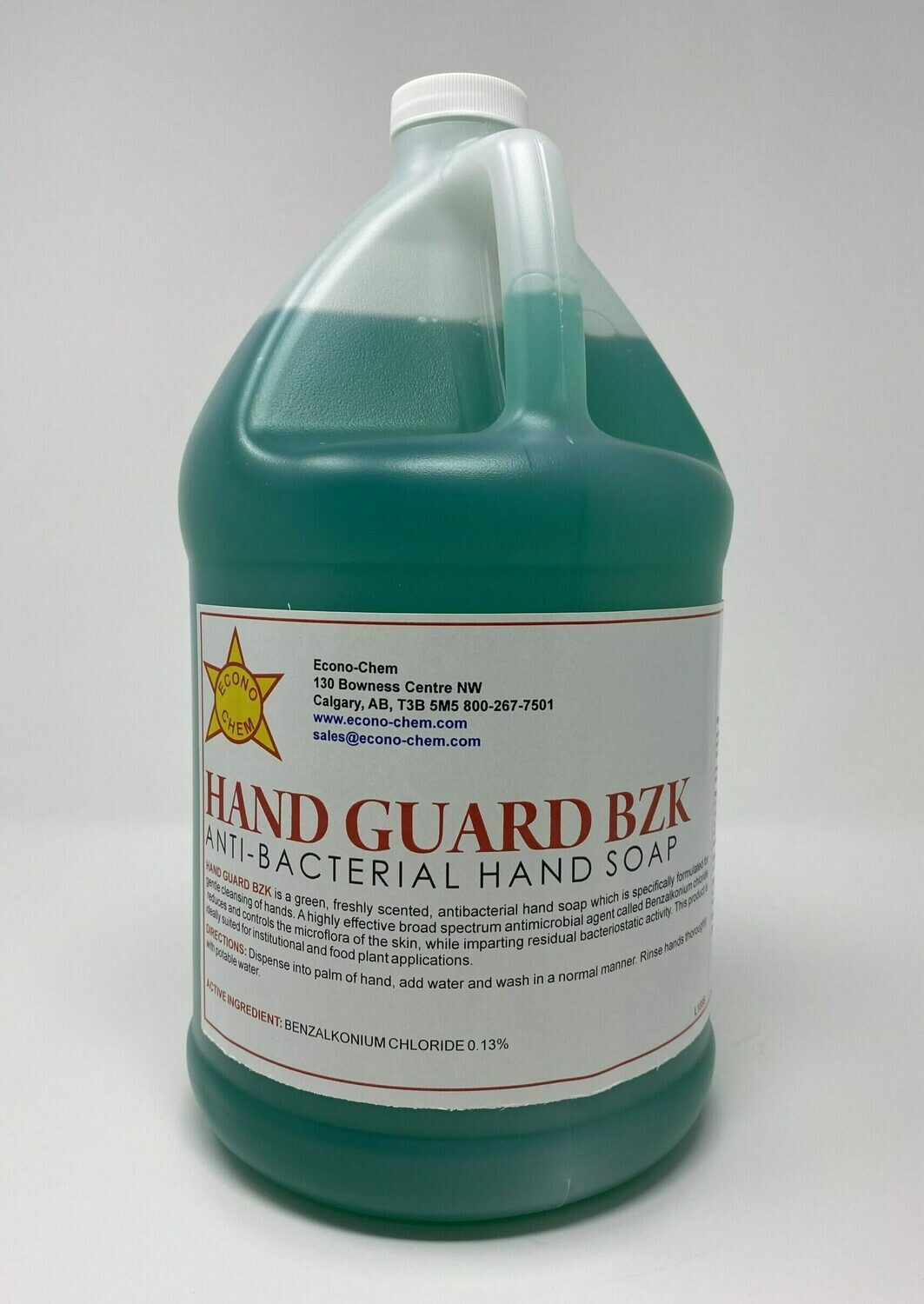
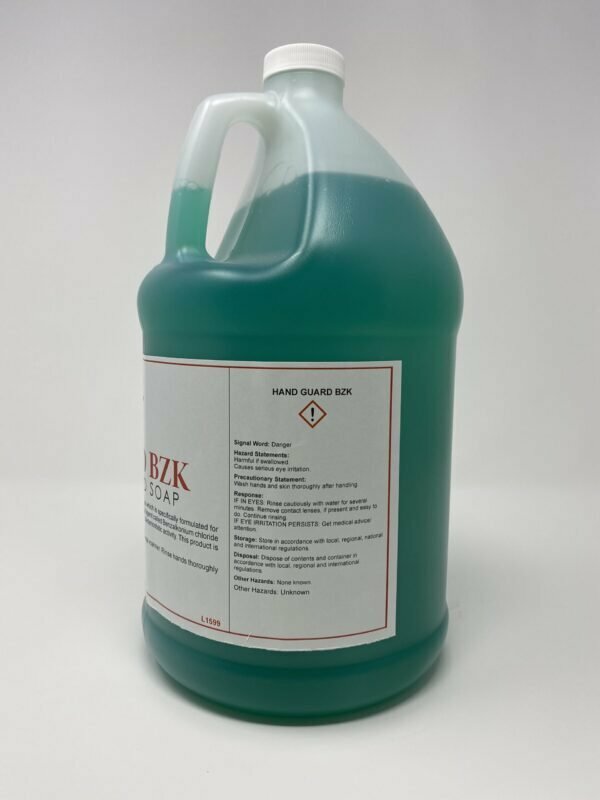
Hand Guard BZK Antibacterial Hand Soap
Micro-Fibre Cloth
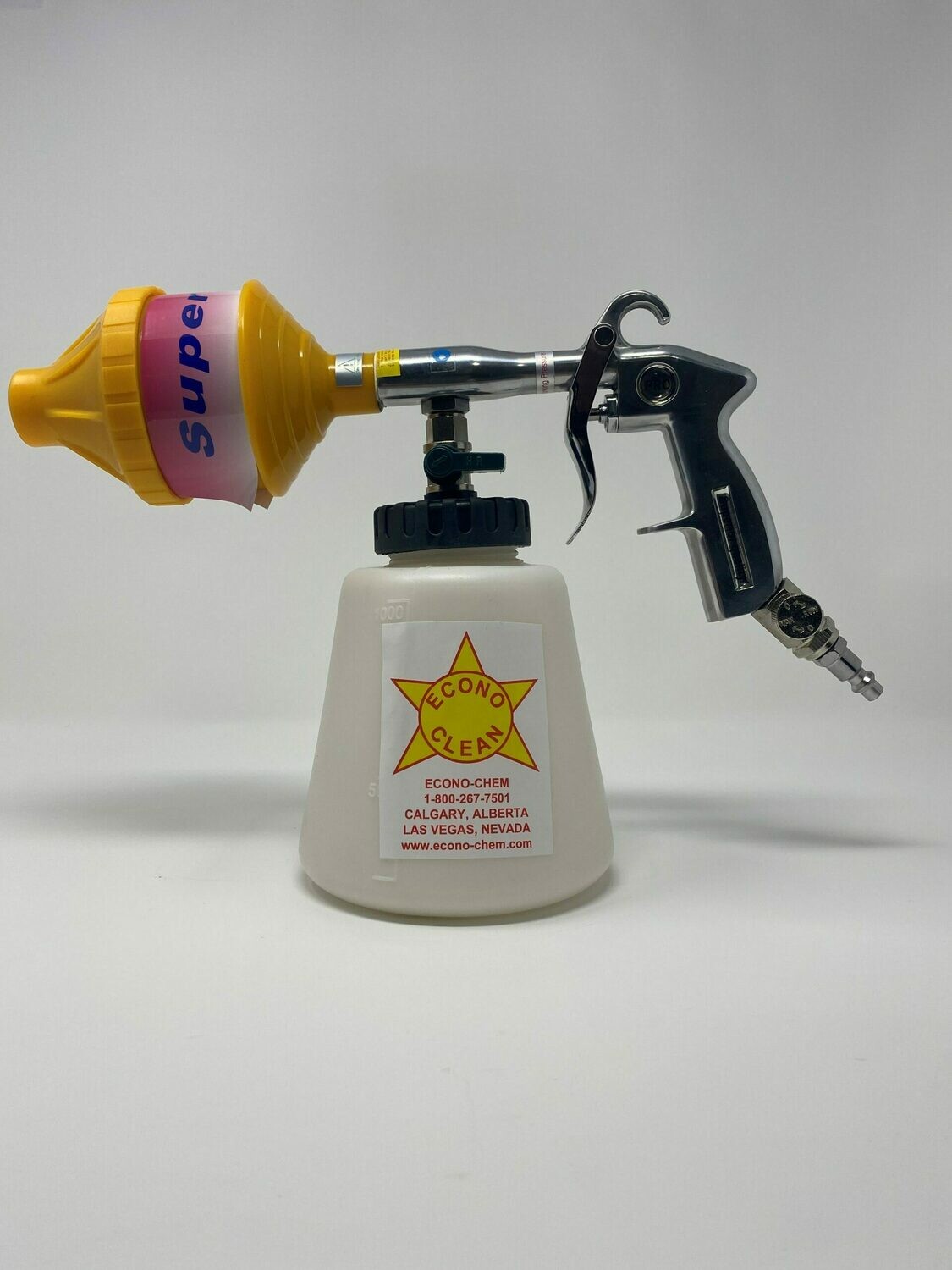
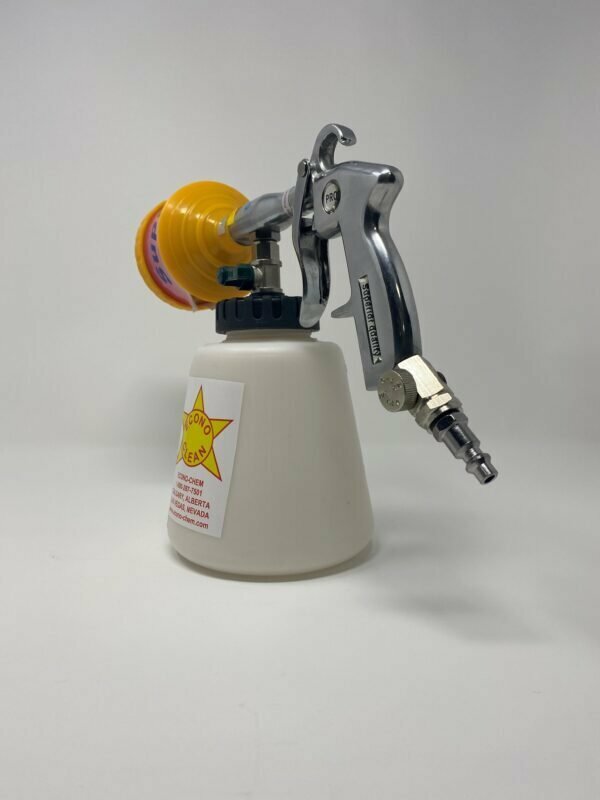
Pneumatic Air Foam Gun
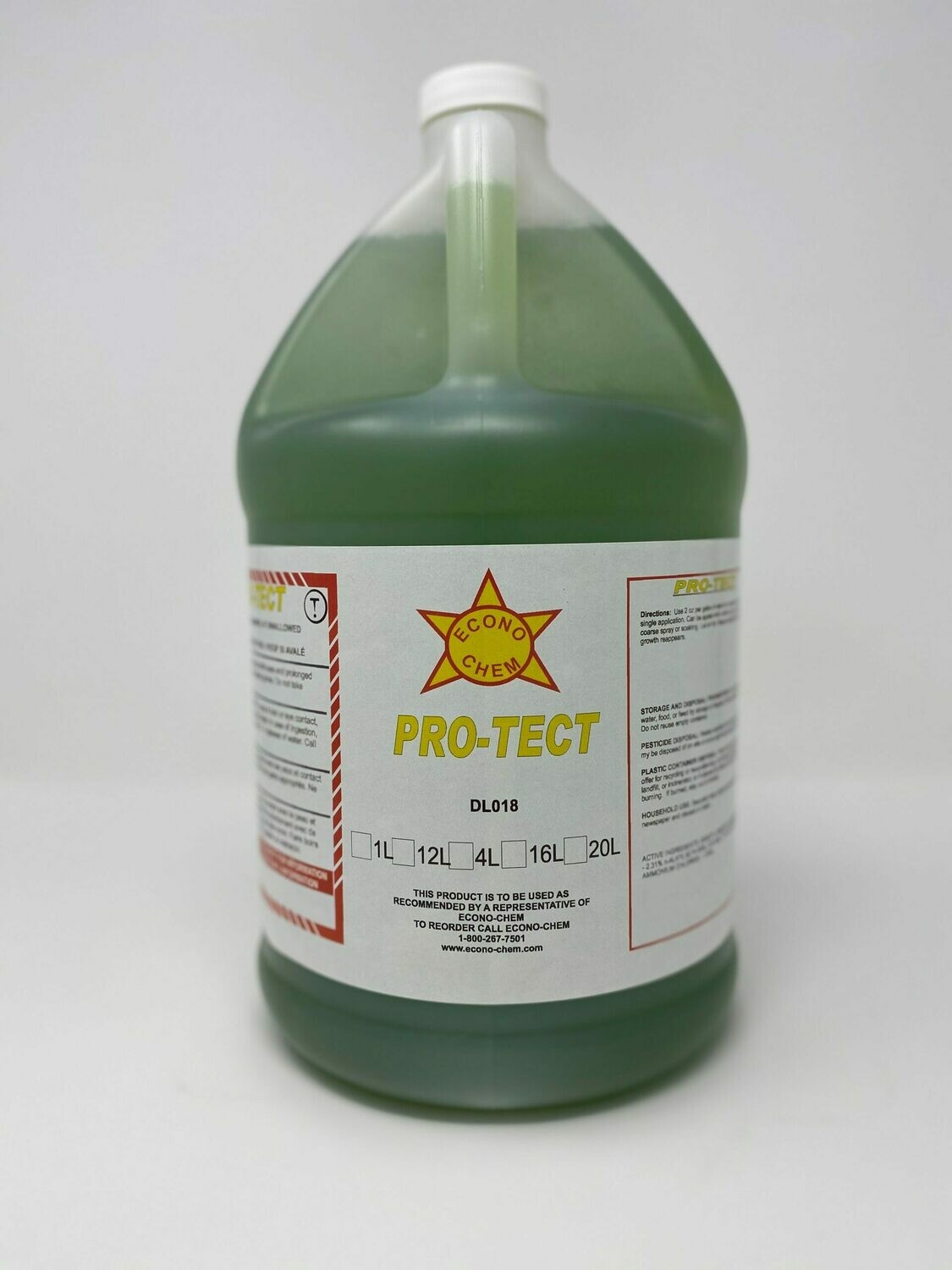
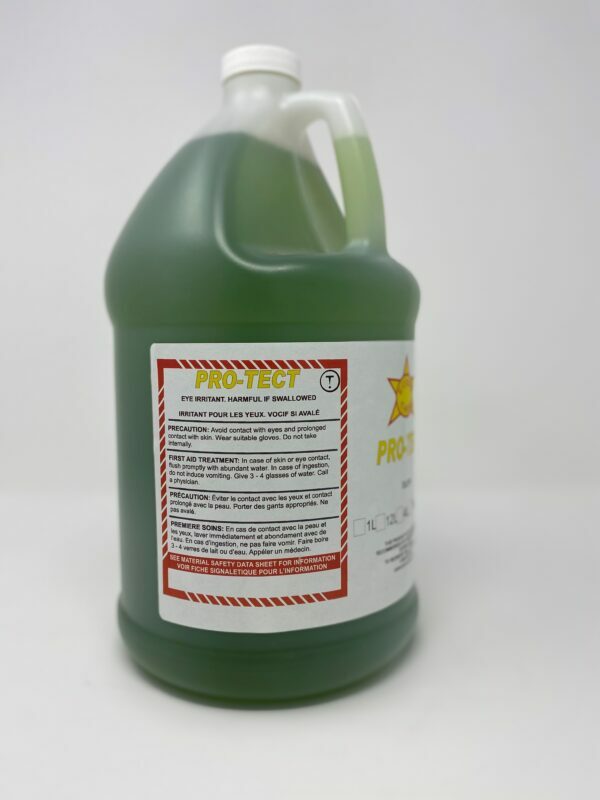
Pro-Tect
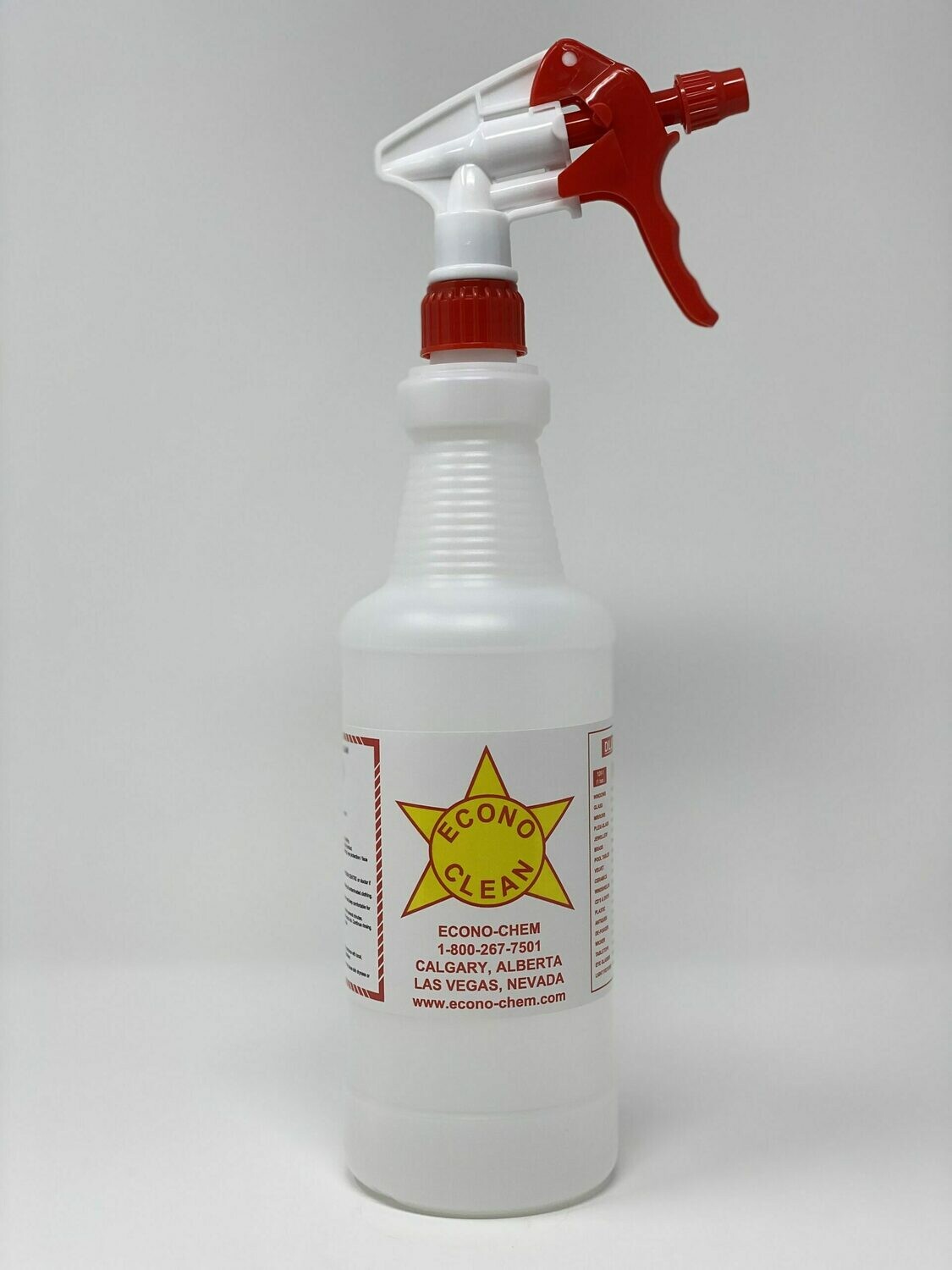
Spray Bottle with Heavy Duty Trigger - 1000mls
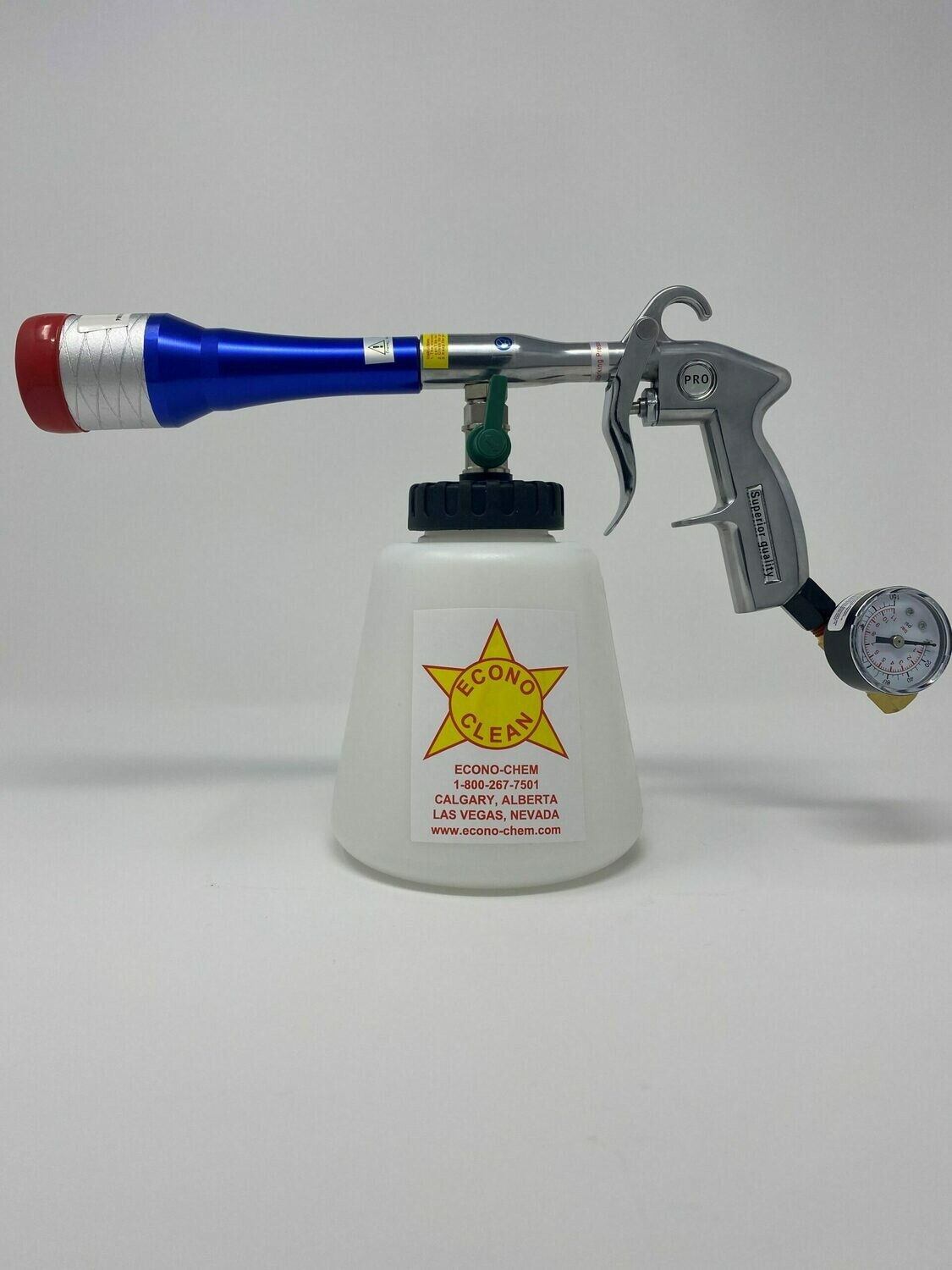
Tornado Cleaning Gun
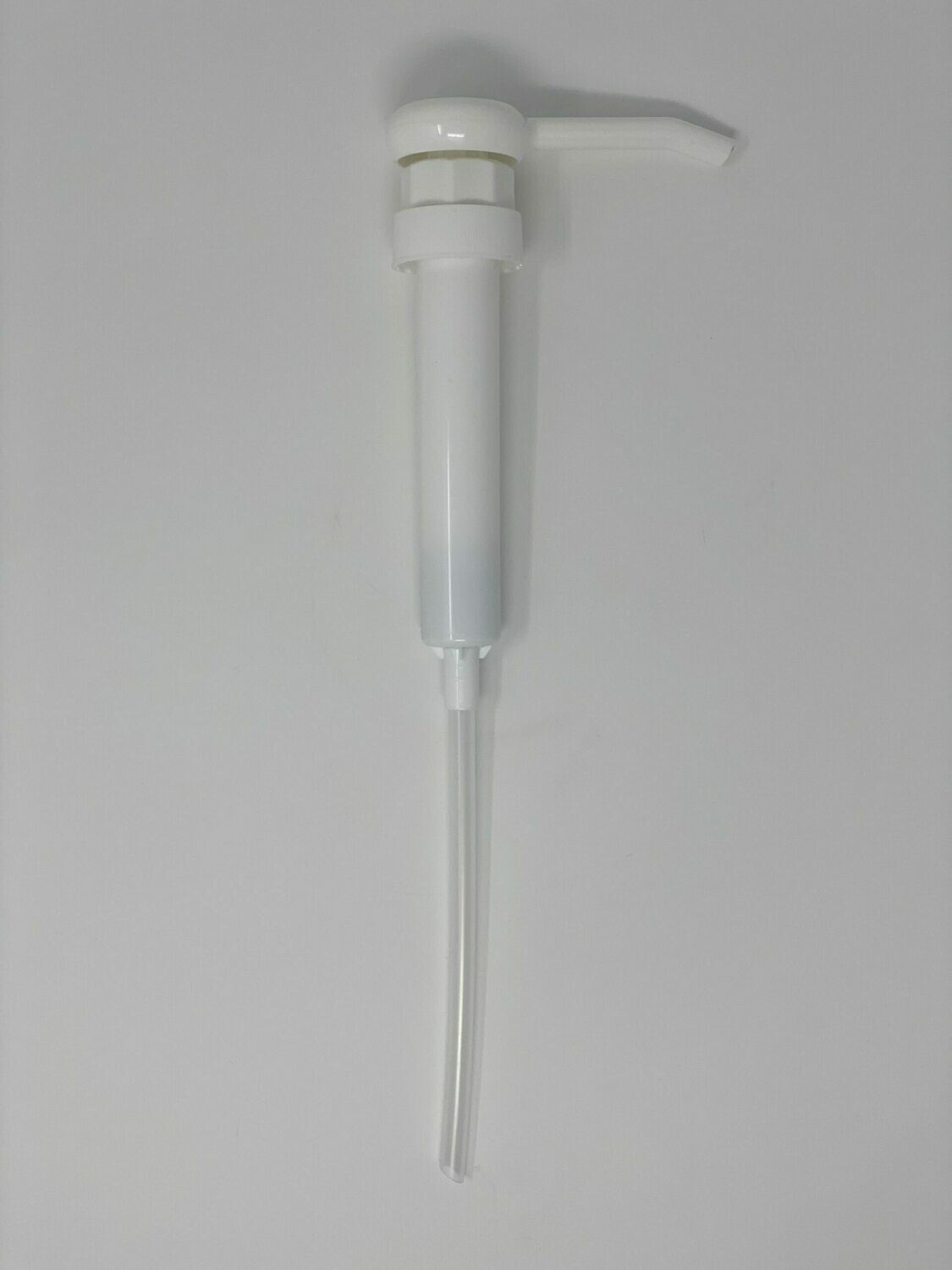
Dispensing Pump 4 litre-30 ml