How to Reduce Cleaning Supply Costs Without Lowering Standards
Reducing cleaning supply costs does not have to mean switching to lower-quality products or lowering your cleaning standards. In many facilities, the bigger opportunity lies in looking at how products are purchased, stored, and used. Small improvements in inventory management, dilution control and product selection can add up over time without changing the level of cleanliness your facility expects.
At Econo-Chem, we have worked with commercial and industrial cleaning products since 1989. One thing we regularly see is that controlling cleaning costs often has more to do with simplifying processes than simply finding the cheapest product.
Where Should You Start When Reviewing Cleaning Costs?
Start with what is already in your supply room. Facilities can gradually accumulate separate products for floors, counters, glass, grease, washrooms and other everyday tasks. In some cases, several products may perform very similar functions. Reviewing your current janitorial supplies can help identify duplicate products, rarely used items, and opportunities to simplify ordering.
Consolidate Products Where It Makes Sense
Not every cleaning task needs its own dedicated chemical. Multi-purpose products can sometimes handle several routine jobs, reducing the number of SKUs that need to be purchased, stored and managed. That does not mean eliminating specialized products where they are needed. The goal is simply to avoid carrying several products that perform essentially the same function. A more streamlined product list can also make staff training and inventory checks easier.
Pay Attention to Dilution
Concentrated cleaning products can offer good value, but only when they are diluted correctly. Using more chemical than recommended does not necessarily improve cleaning performance. It can increase product consumption and, depending on the application, may even leave behind unnecessary residue.
Clear dilution instructions, labelled bottles and dispensing systems can make it easier for staff to prepare products consistently. Our guide to concentrated vs. ready-to-use cleaners explains some of the practical differences between the two formats.
Buy in Bulk Based on Actual Usage
Bulk purchasing can reduce the cost per unit for products that a facility uses consistently. However, a lower unit price does not automatically make a larger order more economical. Storage space, product turnover and actual usage should all be considered. High-use items may make sense to purchase in larger quantities, while specialty products used infrequently may be better kept in smaller quantities. The goal is to match purchasing quantities to real consumption rather than simply buying more.

Reduce Duplicate SKUs
Duplicate products can quietly increase both inventory and administrative costs. If several cleaners perform similar jobs, purchasing teams need to monitor and reorder more items, while staff have more products to choose from. Periodically reviewing the supply list can help identify overlapping products. Our article on what janitorial supplies a commercial facility actually needs provides a useful starting point for evaluating the basics.
Look at Cost Per Use, Not Just Cost Per Container
The price on the bottle only tells part of the story. A better comparison may be the cost per usable litre, per application, or per cleaning task. A concentrated product may have a higher upfront price but produce significantly more usable solution once diluted. A ready-to-use product may cost more per usable litre but offer convenience for applications where dilution is impractical. Neither approach is automatically better. The most economical option depends on how often the product is used, how it is applied and how well consumption can be controlled.
Small Operational Changes Can Add Up
Cleaning supply costs are often influenced by dozens of small decisions: how many products are stocked, how they are diluted, how much staff use and how frequently inventory is reordered. Reviewing those areas can reveal ways to reduce unnecessary spending without compromising cleaning standards.
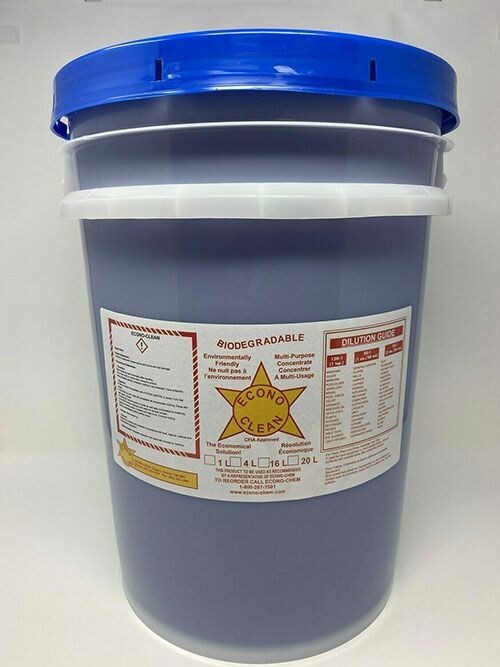
Multi Purpose Cleaner 20 Litres. Econo-Clean Concentrate
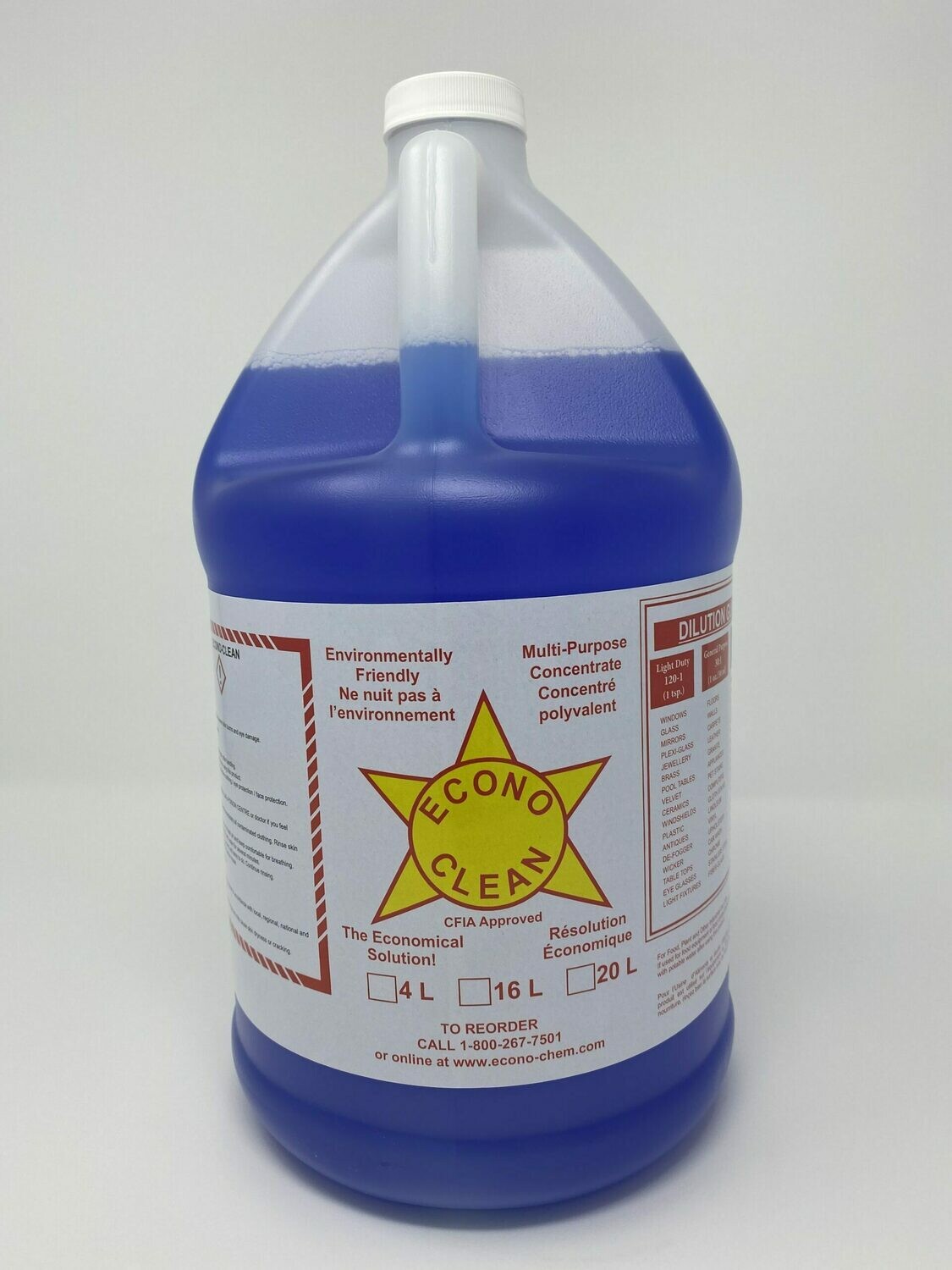
Multi Purpose Cleaner 4 Litres. Econo-Clean Concentrate
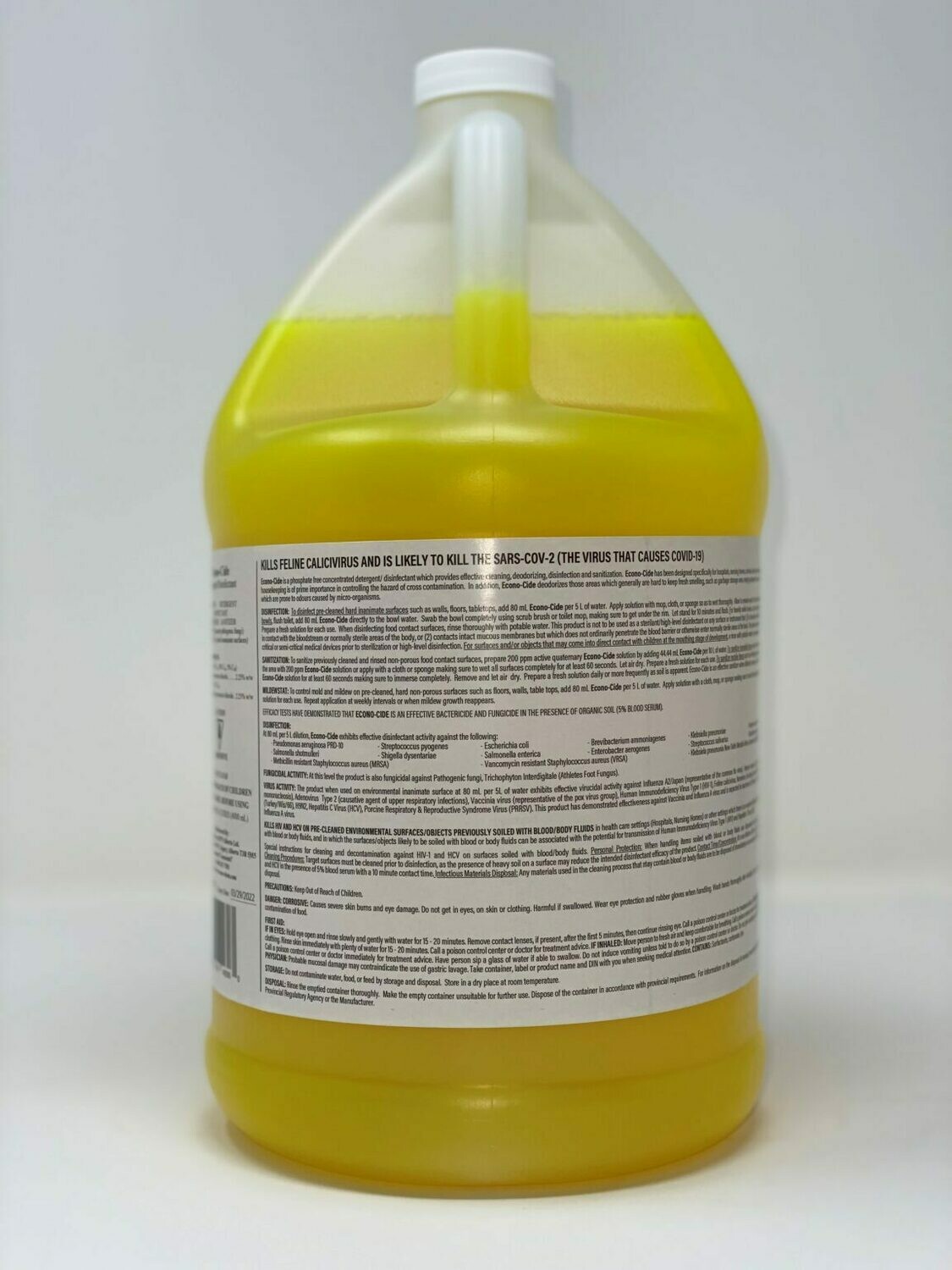
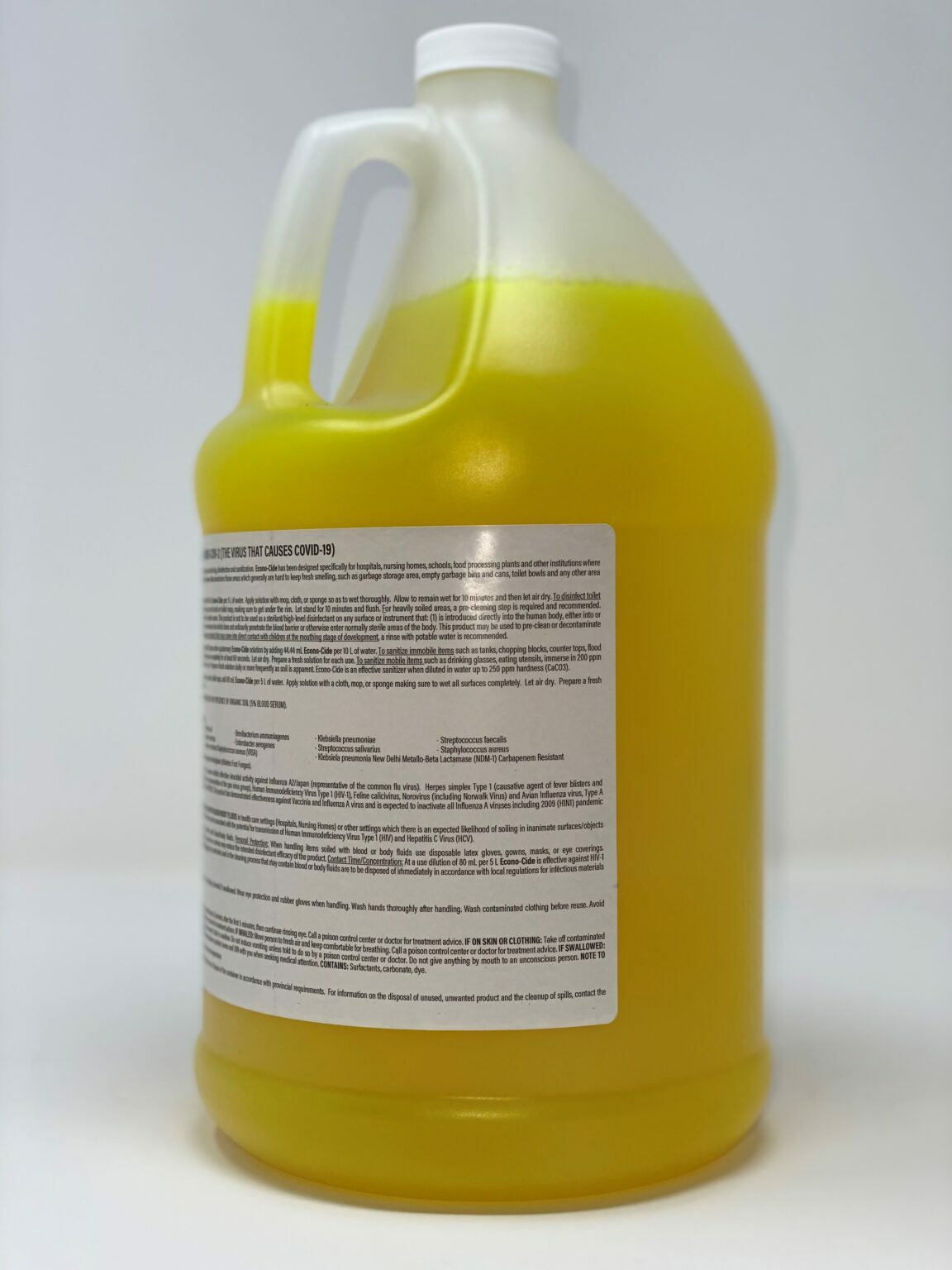
Disinfectant Spray-Econo-Cide
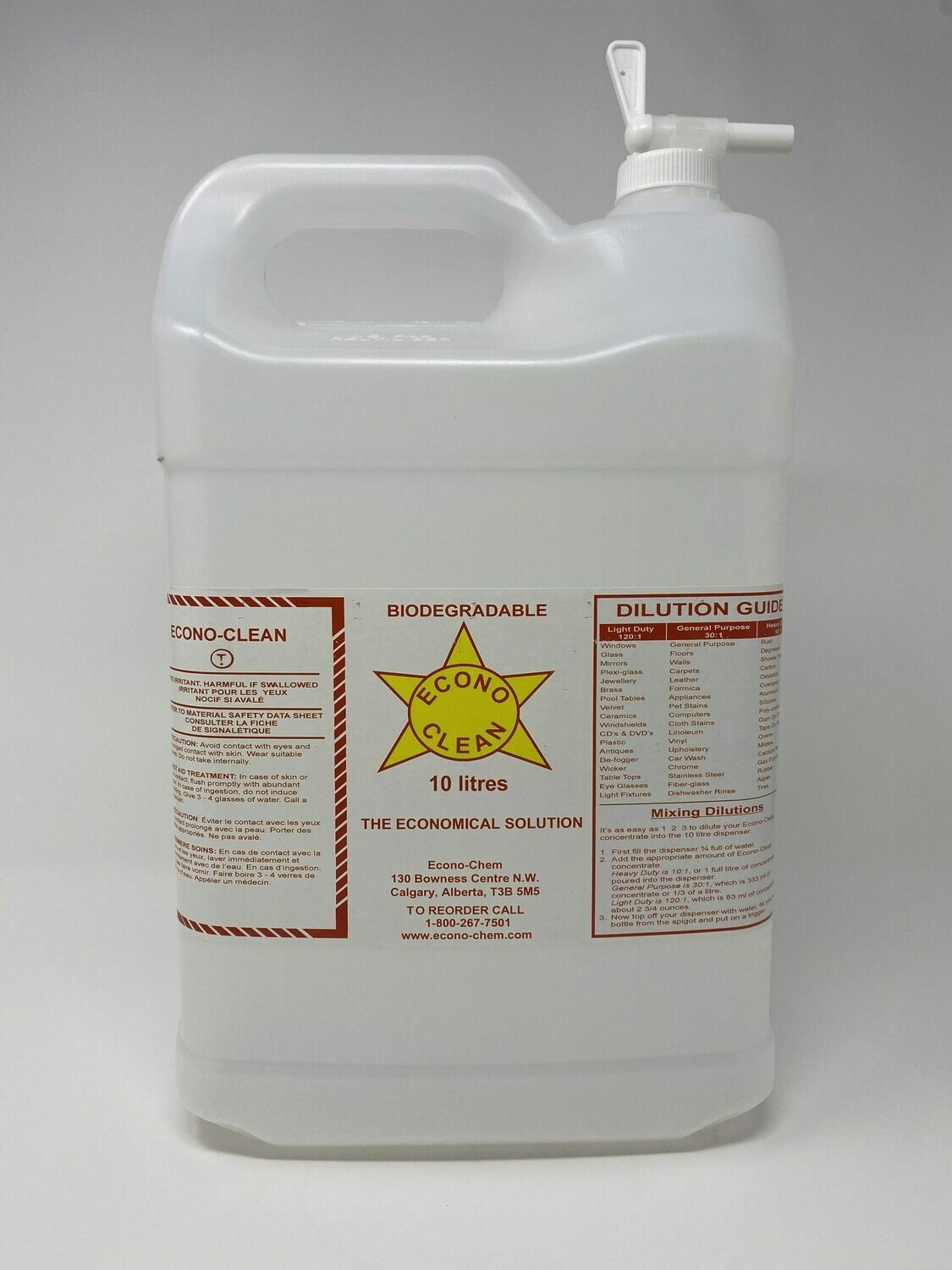
EZ-Fill 10 litre Dispenser
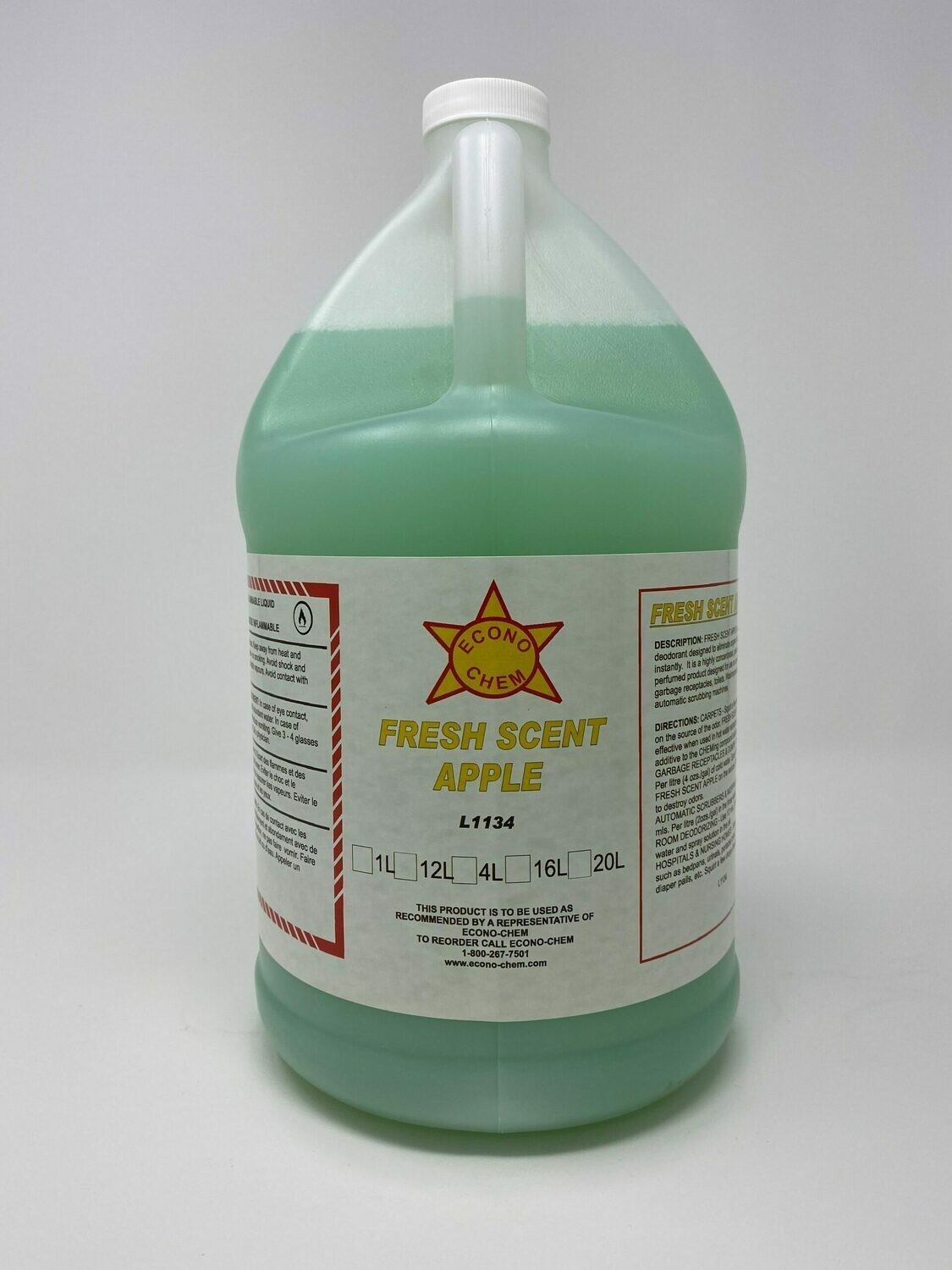
Fresh Scent Apple
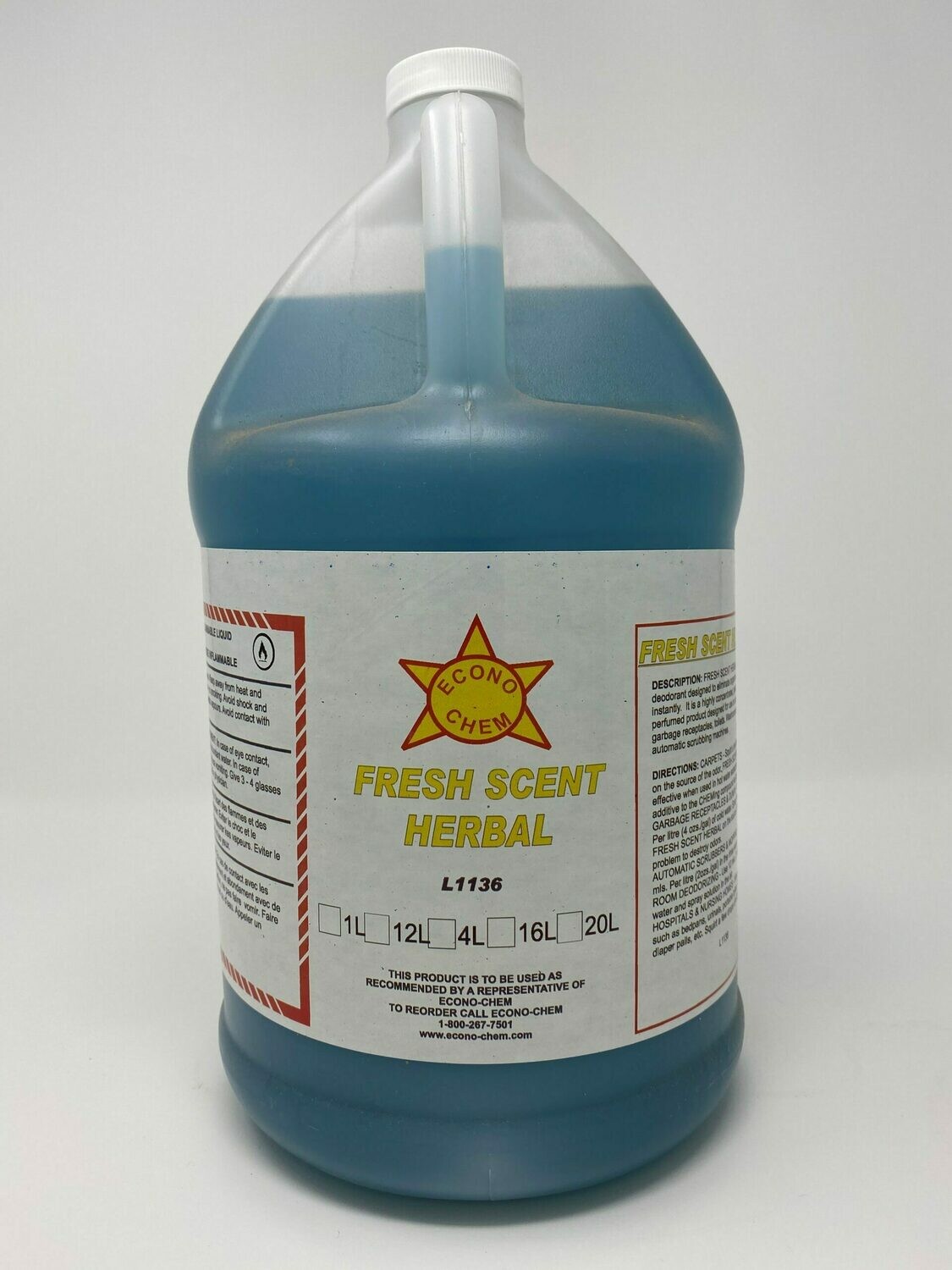
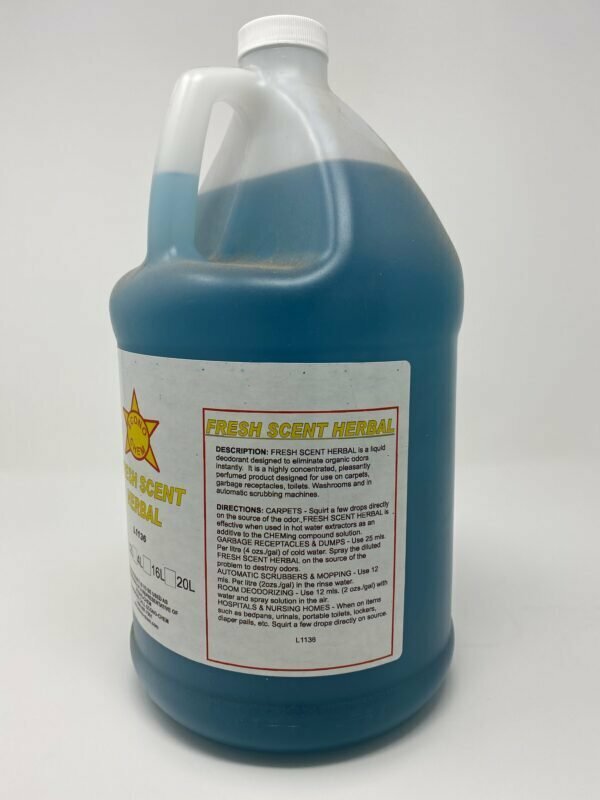
Fresh Scent Herbal
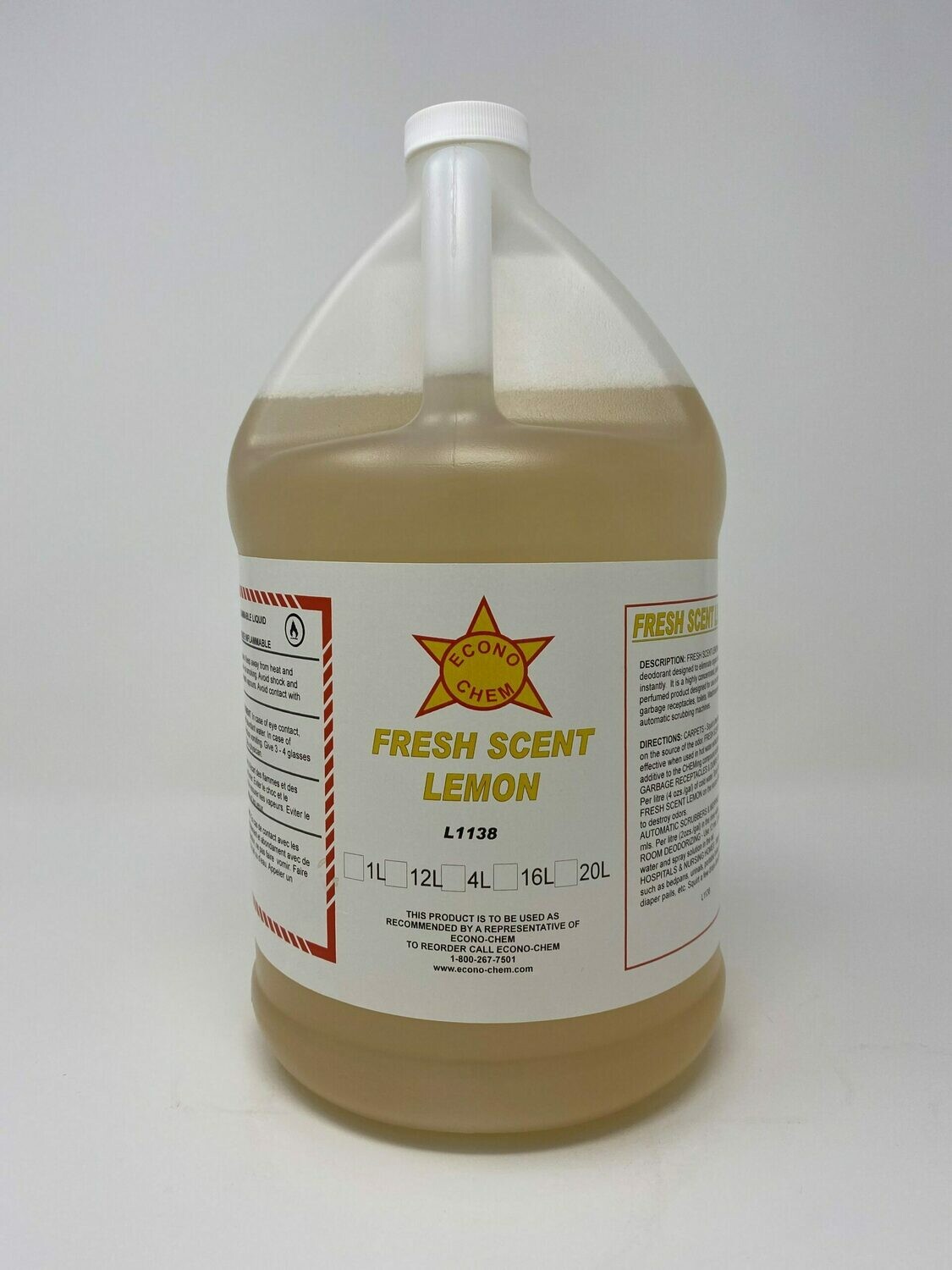
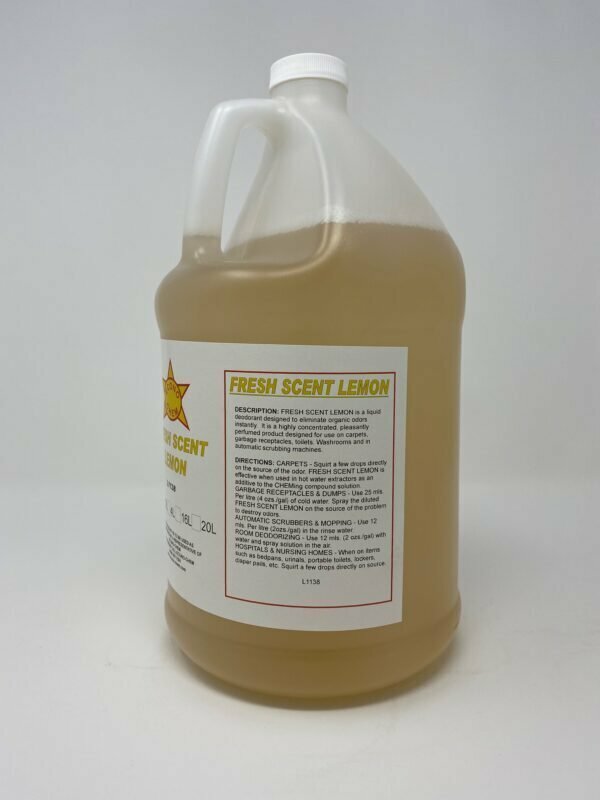
Fresh Scent Lemon
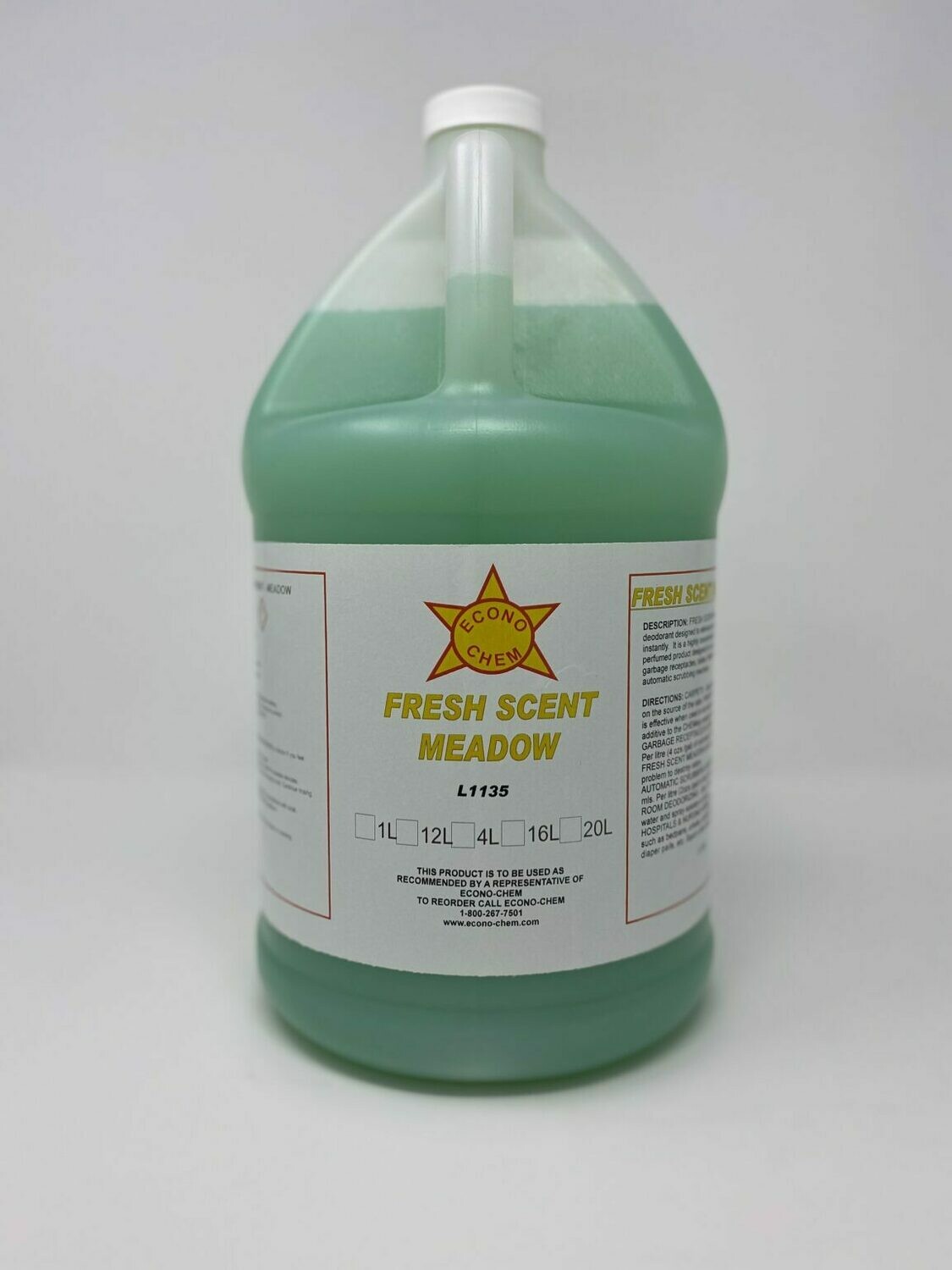
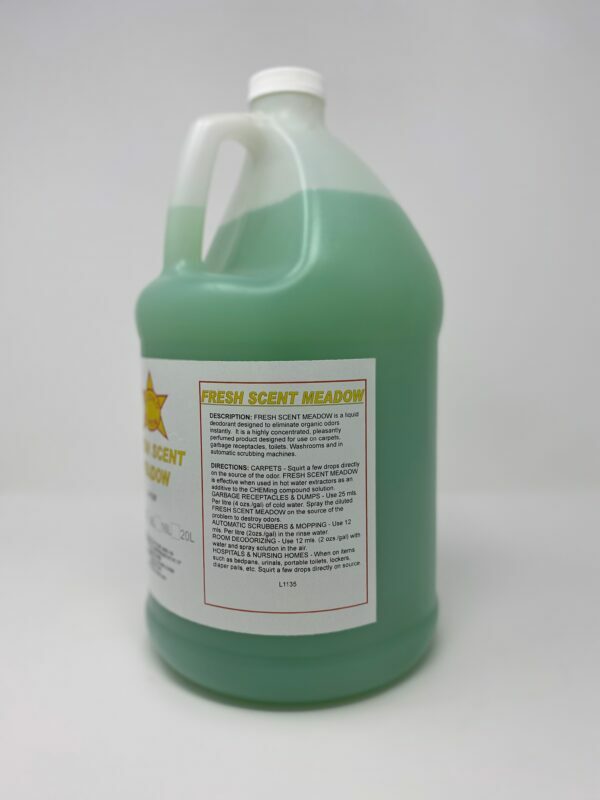
Fresh Scent Meadow
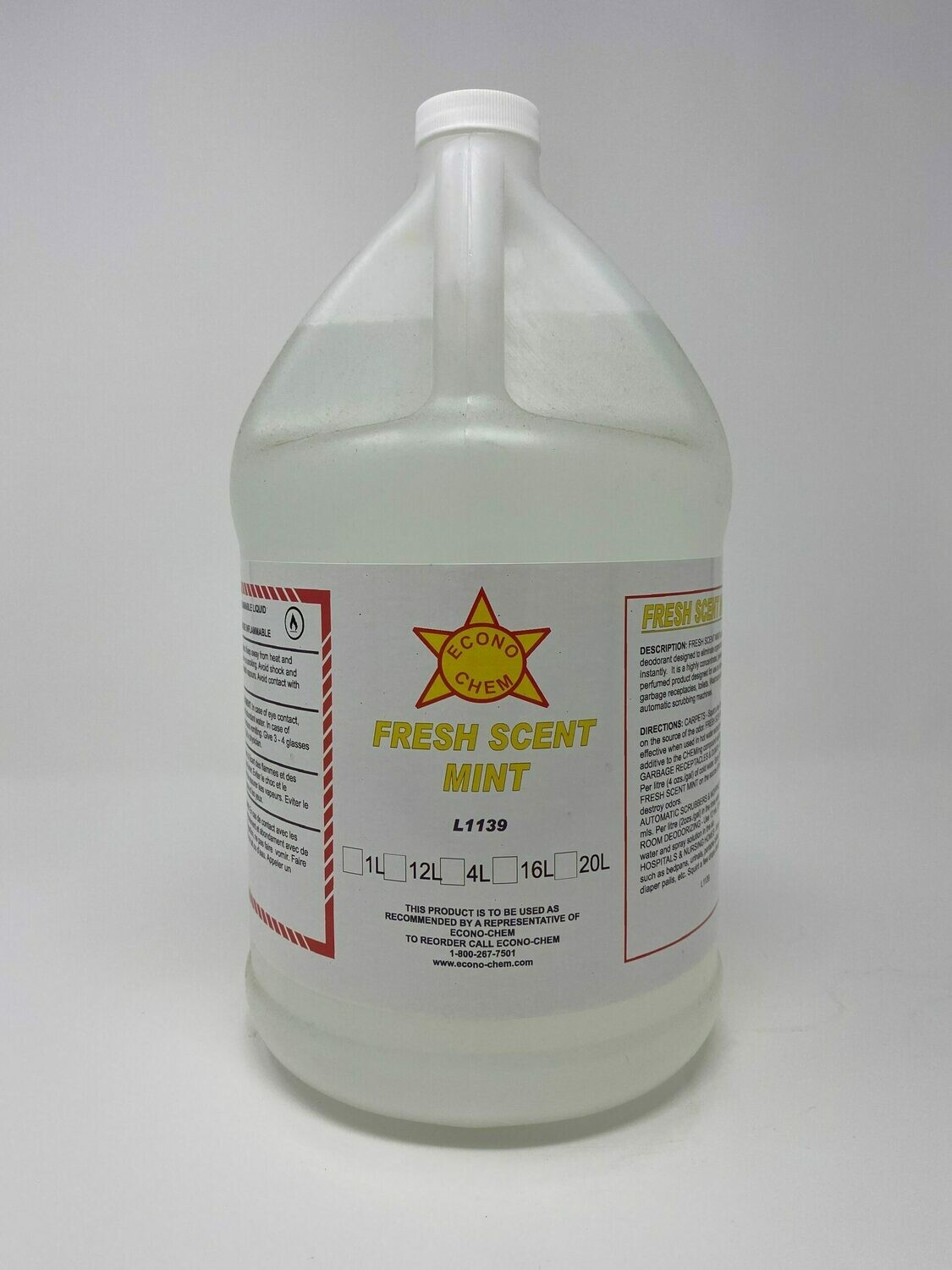
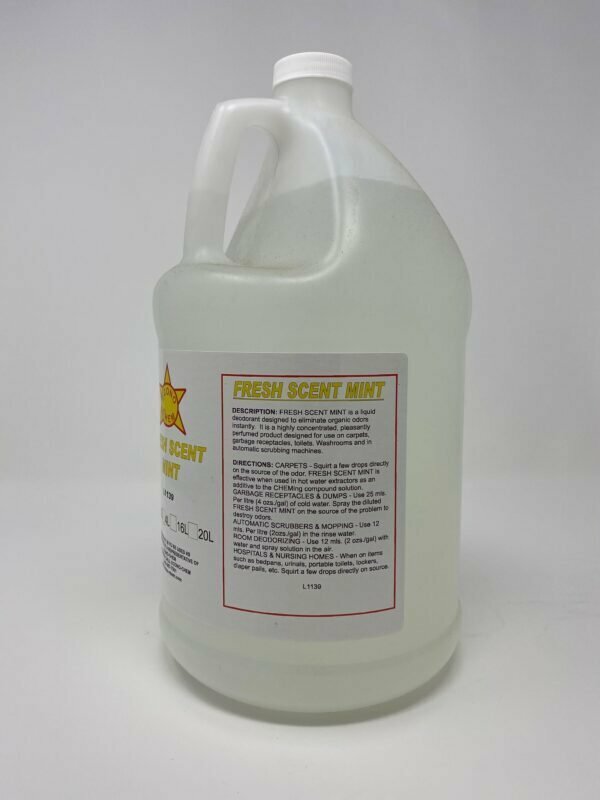
Fresh Scent Mint
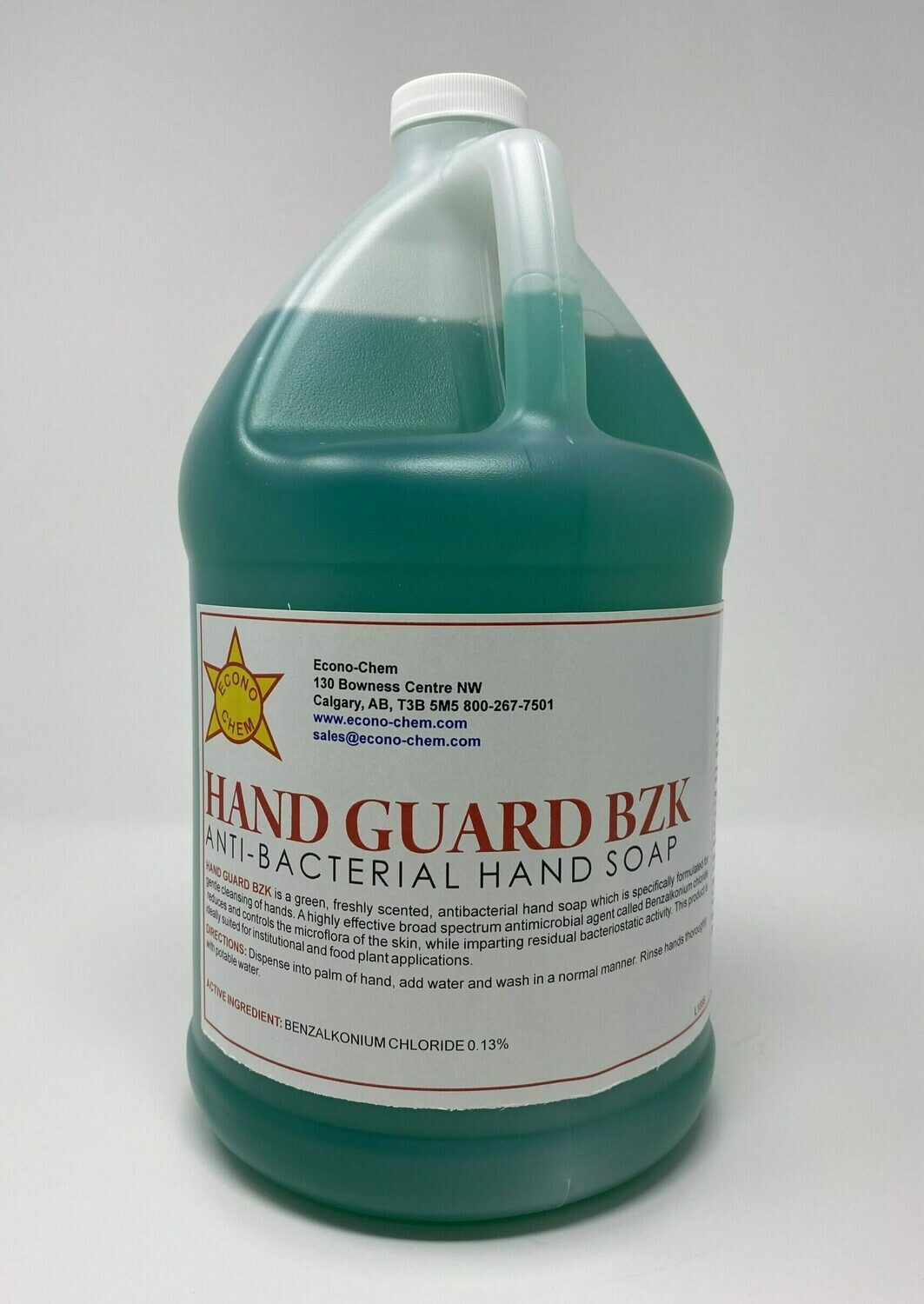
Hand Guard BZK Antibacterial Hand Soap
Micro-Fibre Cloth
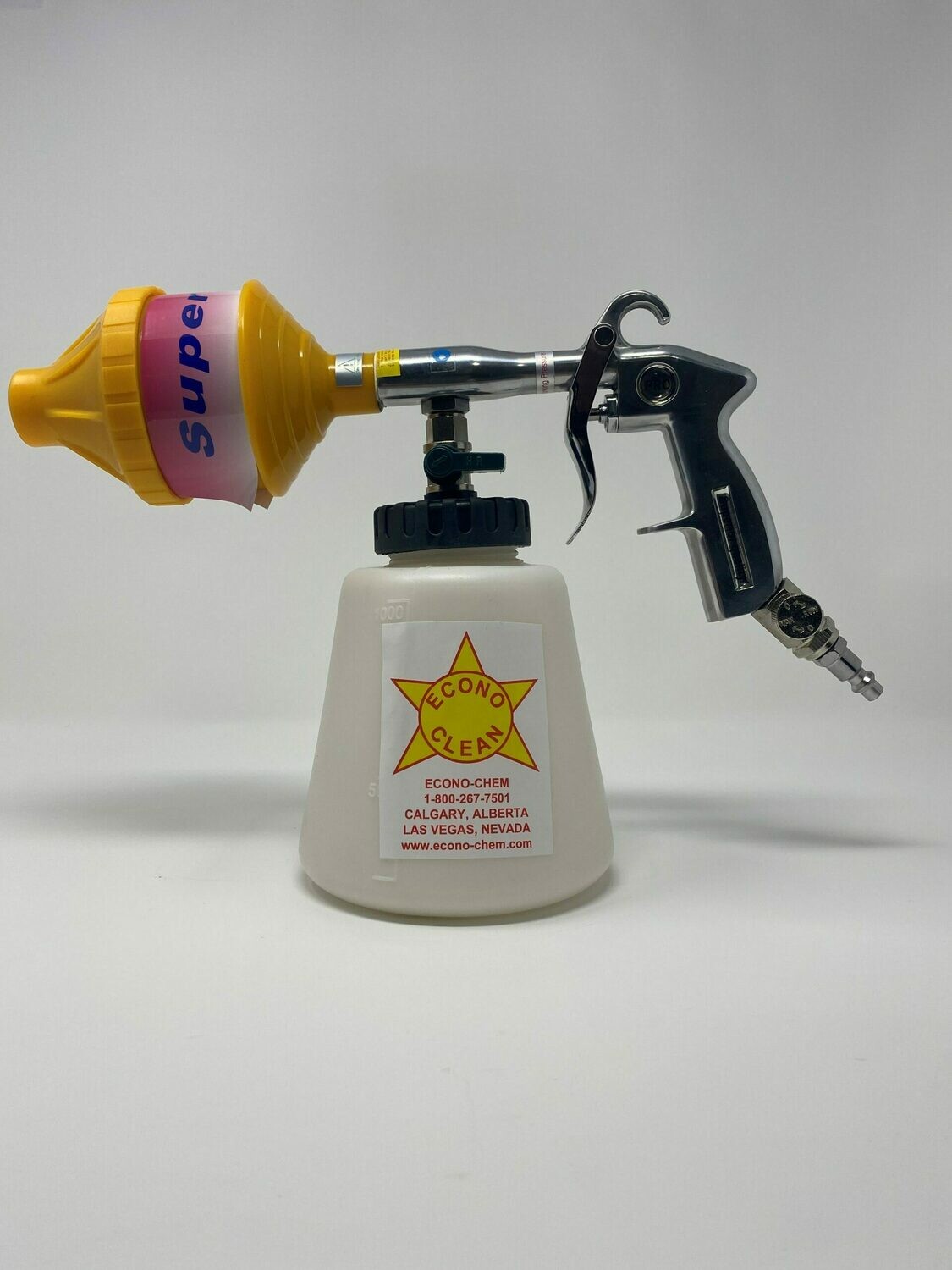
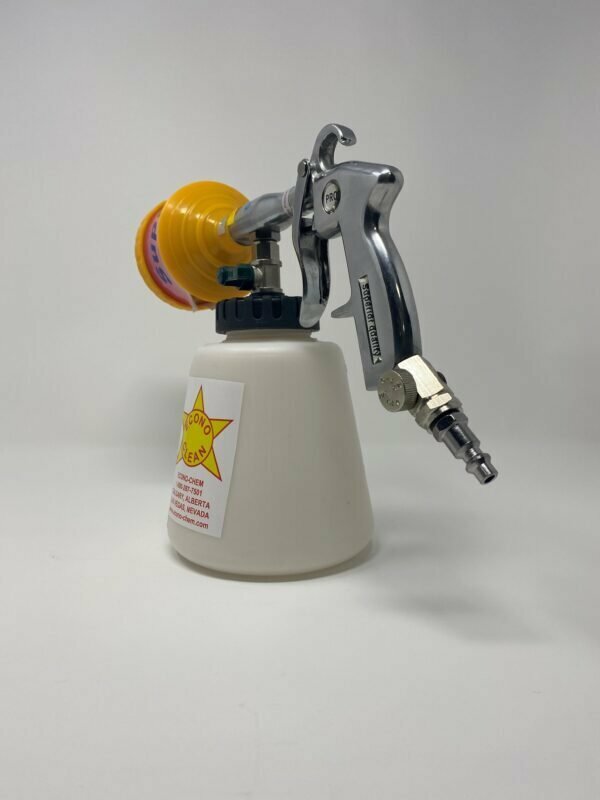
Pneumatic Air Foam Gun
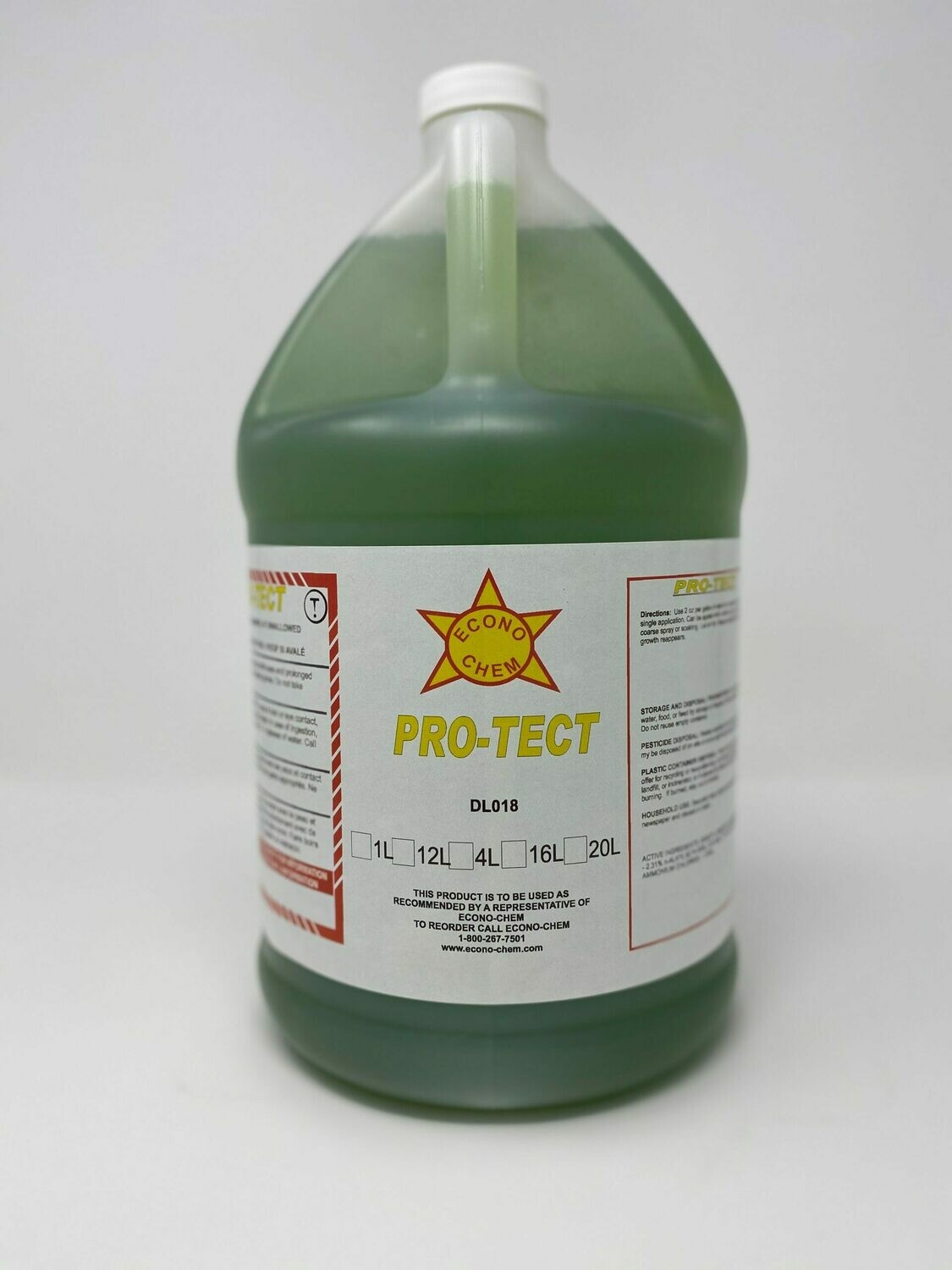
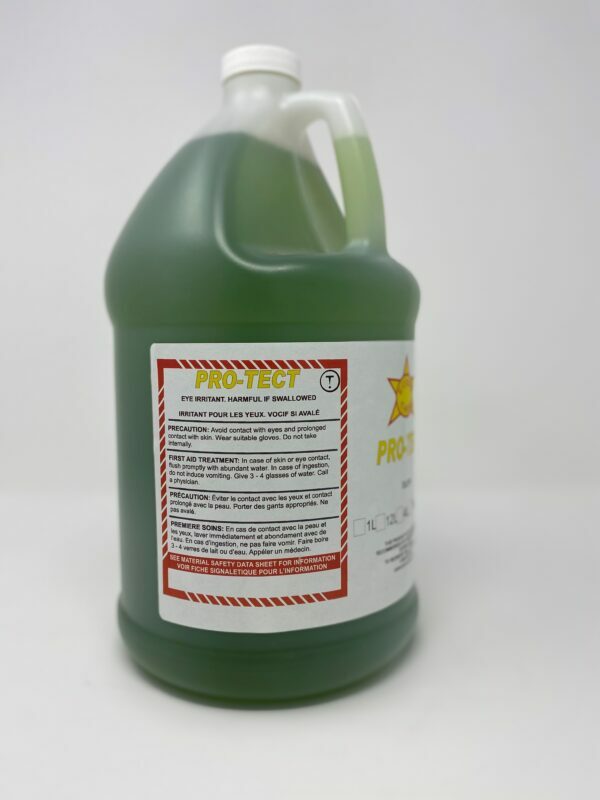
Pro-Tect
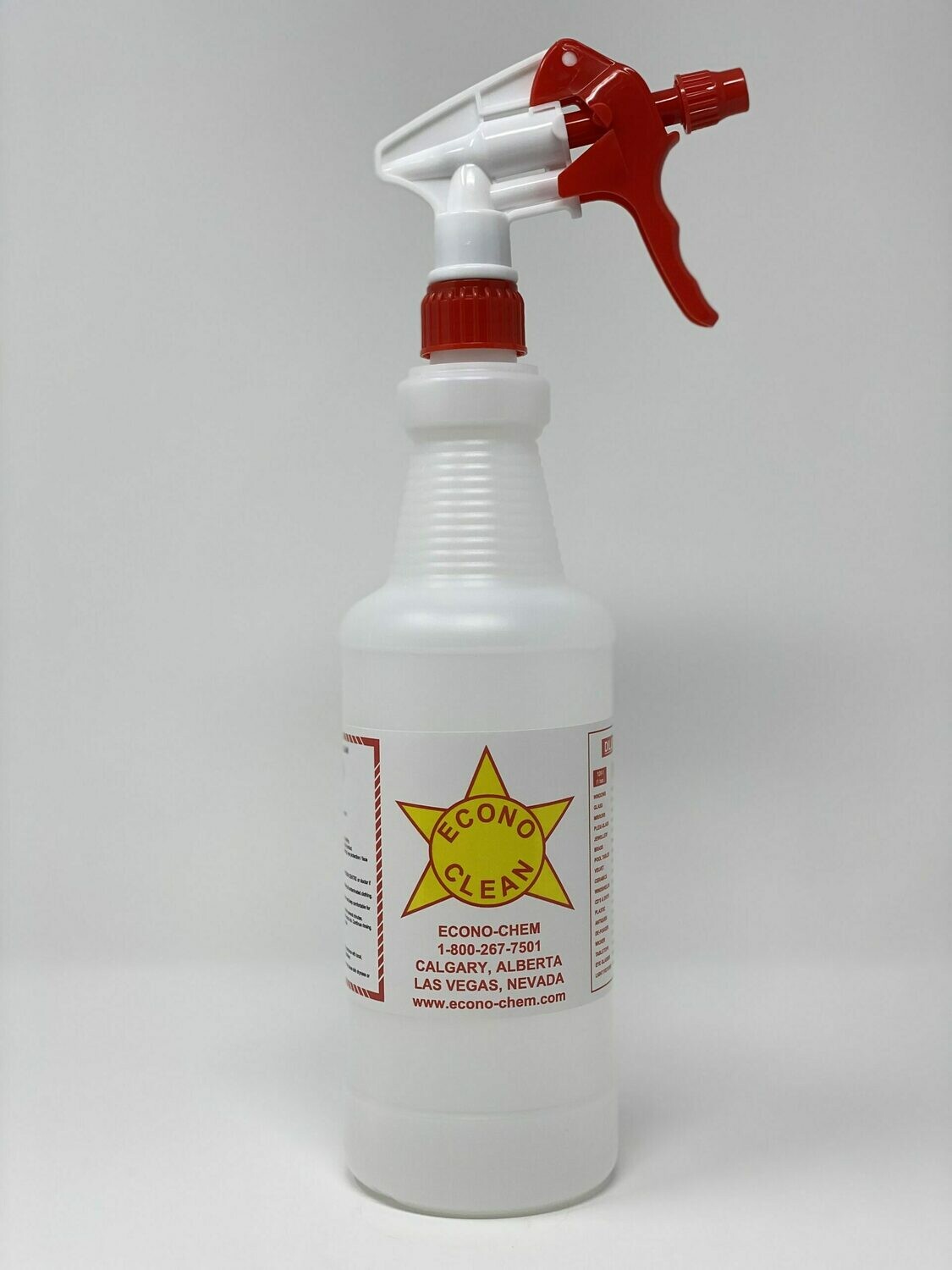
Spray Bottle with Heavy Duty Trigger - 1000mls
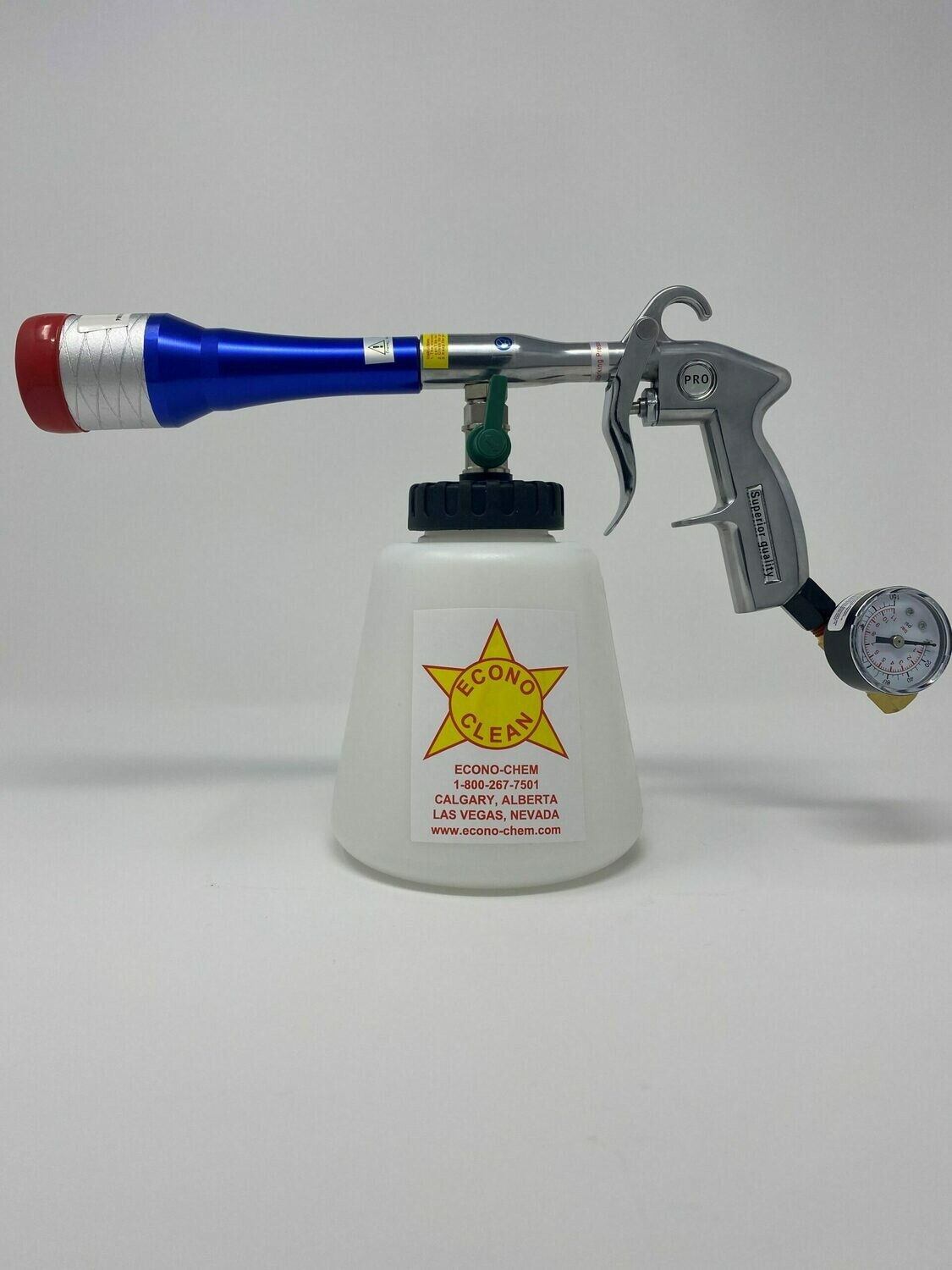
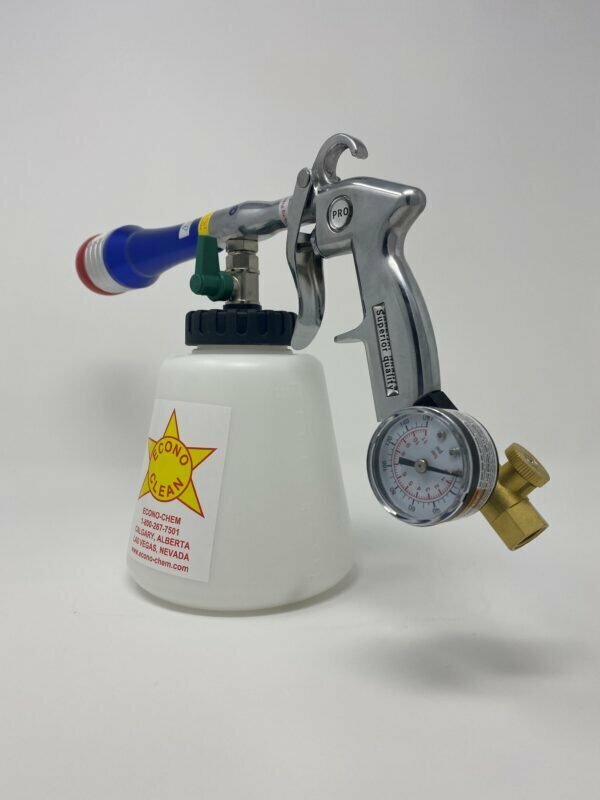
Tornado Cleaning Gun
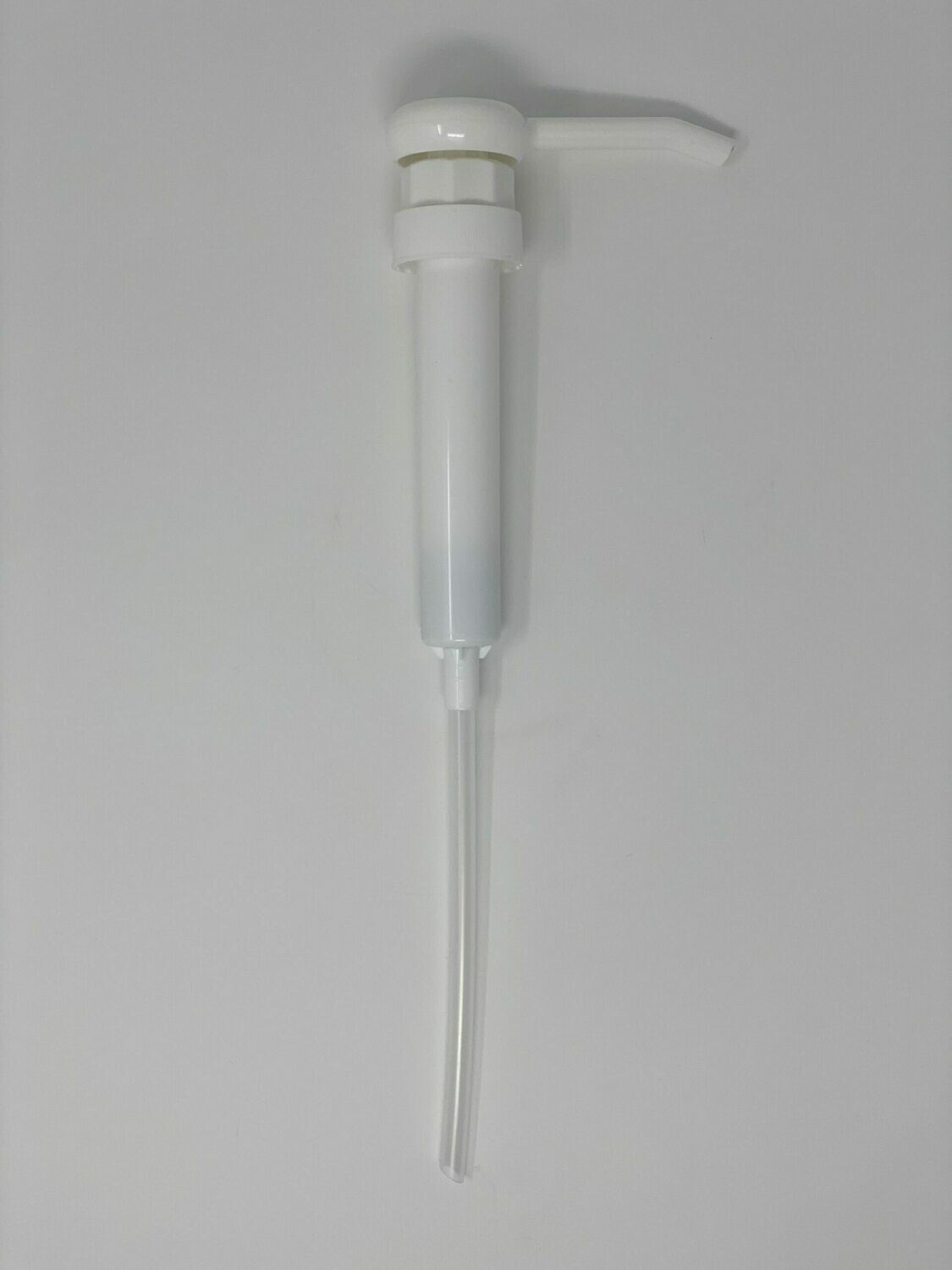
Dispensing Pump 4 litre-30 ml