Keeping Large Facilities Clean: Bulk Cleaning Solutions for Warehouses, Schools, and Municipal Buildings
When your shared spaces serve thousands, your cleaning strategy must be as efficient as your output. Industrial cleaning in bulk is the hidden variable that stabilizes your budget and ensures your maintenance teams are never left empty-handed.
Keep reading to learn how large facilities rely on bulk procurement to stay safe, functional, and cost-effective.

Challenges Of Large-Scale Facility Cleaning
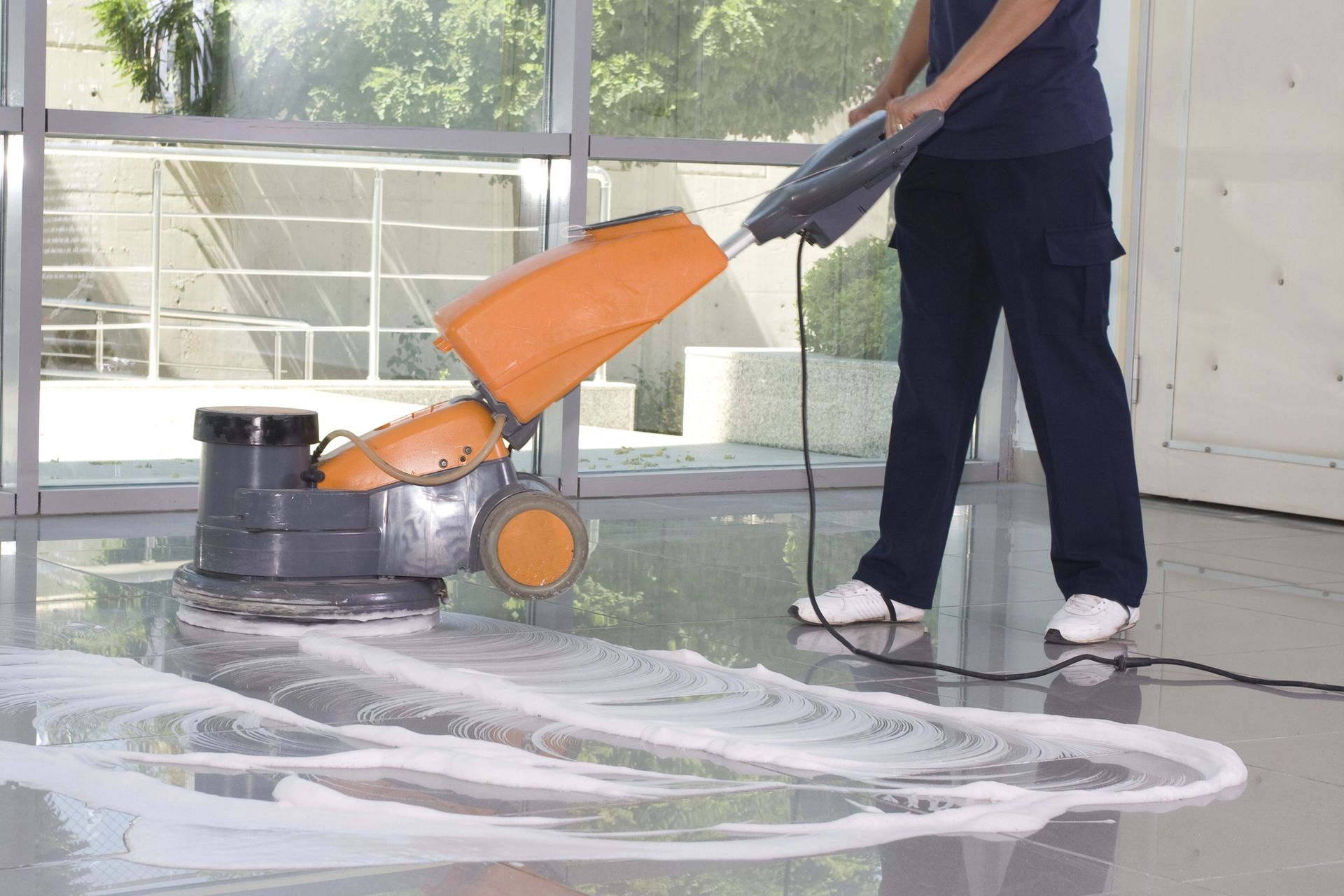
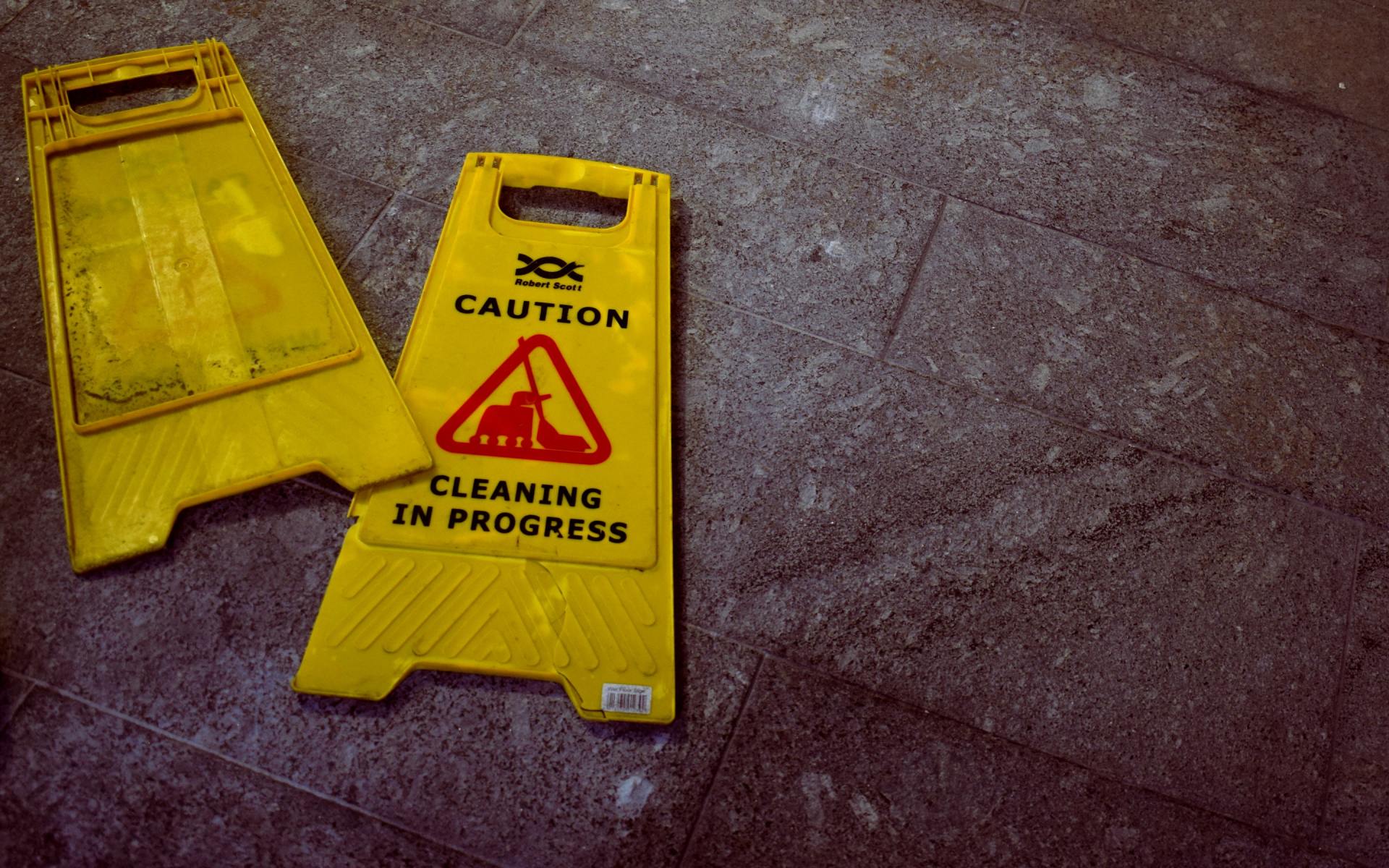
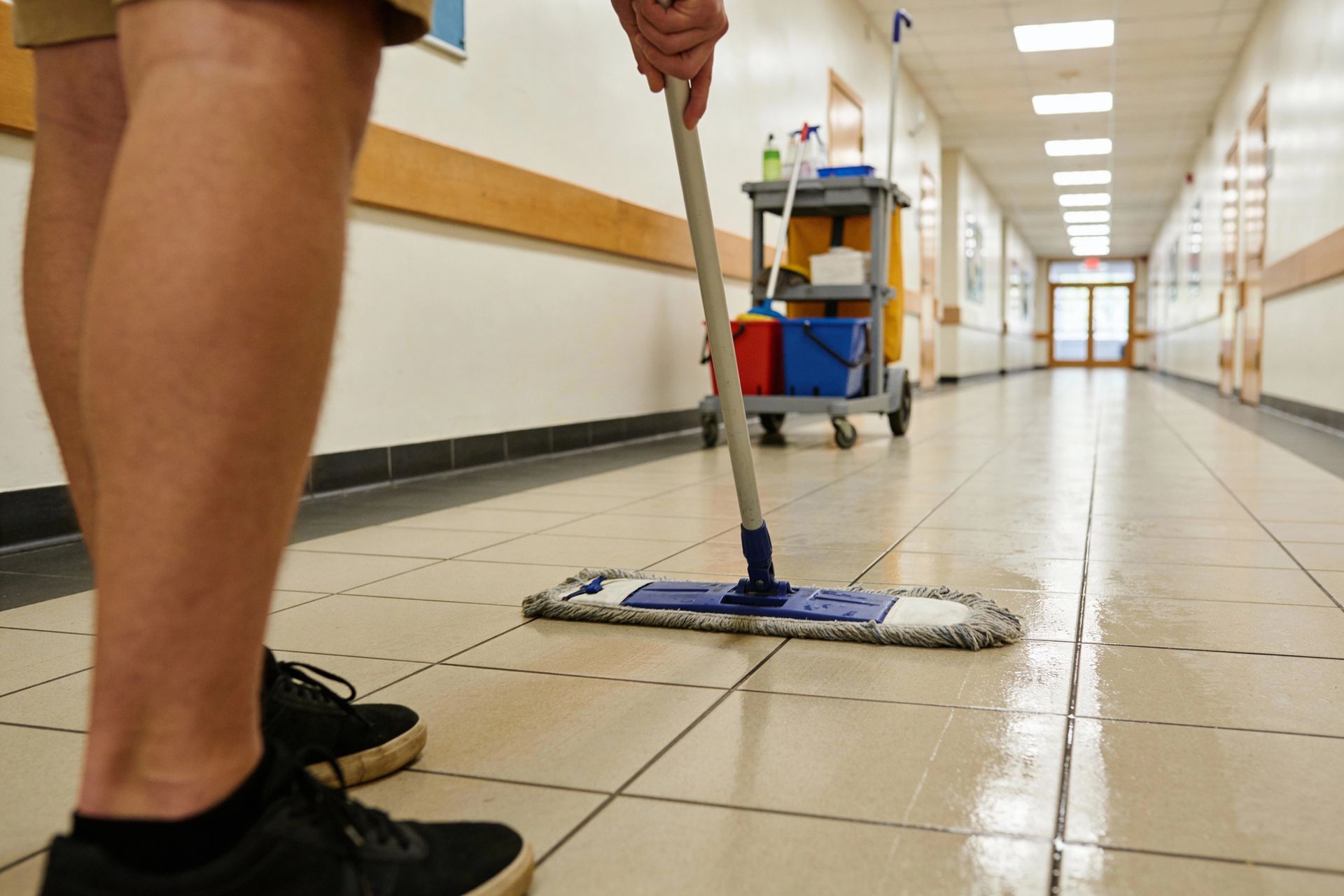
Large facilities, such as warehouses, schools, and municipal buildings, have many surfaces that require specialized cleaning. Floors see heavy foot and equipment traffic, washrooms demand constant attention, cafeterias handle food residue, and hallways connect the dirt and germs.
When custodial teams are forced to work with substandard products or fragmented protocols, the margin for error widens. Inconsistent tools lead to missed surfaces and redundant labour, which ultimately drives up operational expenses.
Working With Bulk Concentrates
Transitioning to bulk concentrates is a foundational step in optimizing large-scale facility maintenance. By removing the weight and volume of water found in premixed solutions, facilities can drastically reduce their shipping footprint and storage requirements.
When integrated with precise dilution systems, these concentrates deliver high-level performance that premixed formulas can’t match at scale:
- Cost savings: Buying cleaners in concentrated form lowers per-cleaning costs and reduces packaging waste.
- Sustainability: Using fewer single-use plastic containers and making fewer deliveries shrinks environmental footprints.
- Consistent results: When custodial teams follow dilution guidelines, surfaces get the same level of cleaning every time.
Proper Storage
SDS guidance typically calls for storing in cool, locked areas away from direct sunlight, using corrosion-resistant containers to prevent leaks or reactions. Label containers clearly to avoid confusion, and train staff to check dilution ratios before use.
Training And Compliance For Staff
Preparing staff to handle bulk cleaning operations is as important as selecting the right products.
WHMIS Labelling and PPE Basics
Every cleaner must have clear WHMIS labels that explain hazards and protective measures. Training custodial teams to read these labels helps them choose appropriate PPE, such as gloves, goggles, and aprons, before they work with chemicals. Regular refreshers on WHMIS ensure teams stay confident and compliant.
Safe Dilution, Spill Response, and Ventilation
Proper dilution begins with following the SDS instructions for each concentrate. Mix cleaners in well-ventilated areas and, when possible, near designated drains for cleaning waste. If a spill occurs, staff should know how to immediately contain it using absorbents and barriers, then clean up safely without spreading residue. Good ventilation helps maintain healthy indoor air quality.
Facility-Wide Cleaning Schedule and Inventory Control
Large facilities benefit from proactive planning that lays out who cleans what, when, and with which products. A cleaning schedule assigns tasks by zone and frequency:
- High-traffic halls and cafeterias may require daily attention
- Washrooms may need scheduled checks throughout the day
- Storage closets, offices, and outdoor entries might fall to evening or weekend routines
Pairing the schedule with inventory control prevents last-minute runs for supplies. Track concentrate use to determine when to reorder and rotate stock, using the oldest products first.
Consistency and Efficiency Across Large Spaces
Keeping large facilities clean is a complex task, but using bulk concentrates along with consistent protocols and trained staff helps simplify operations while controlling costs.
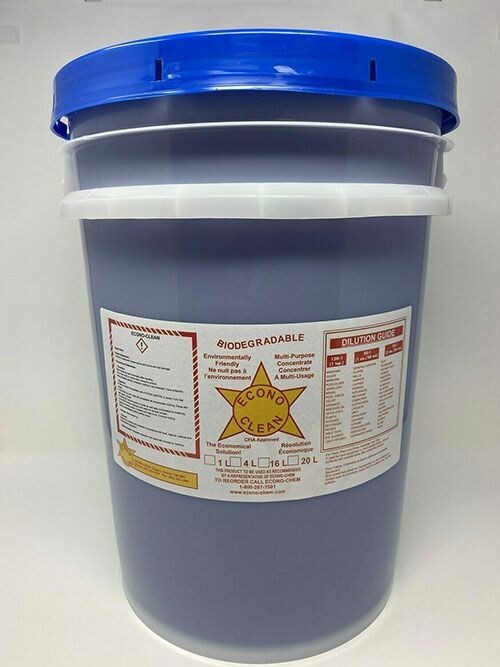
Multi Purpose Cleaner 20 Litres. Econo-Clean Concentrate
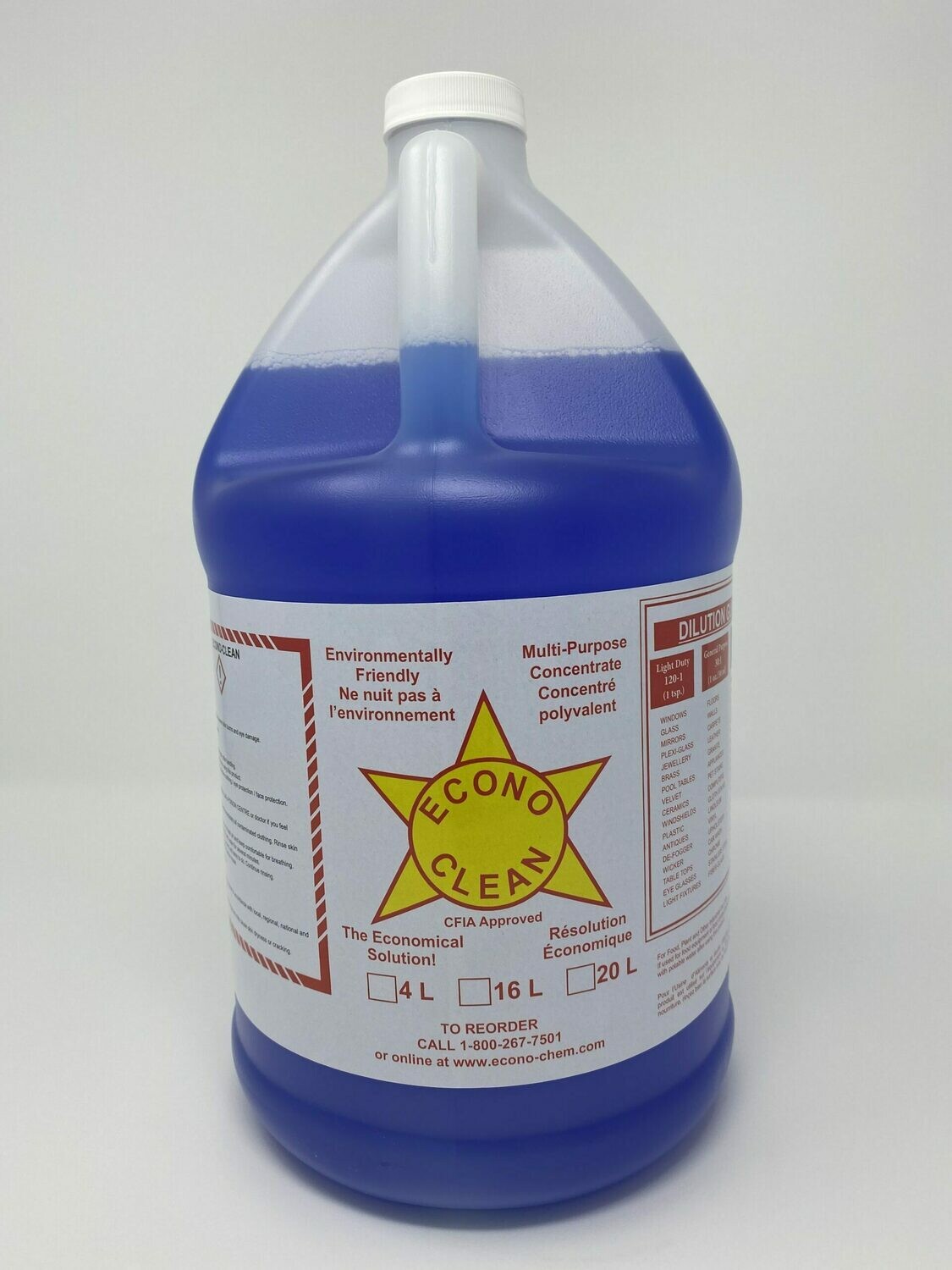
Multi Purpose Cleaner 4 Litres. Econo-Clean Concentrate
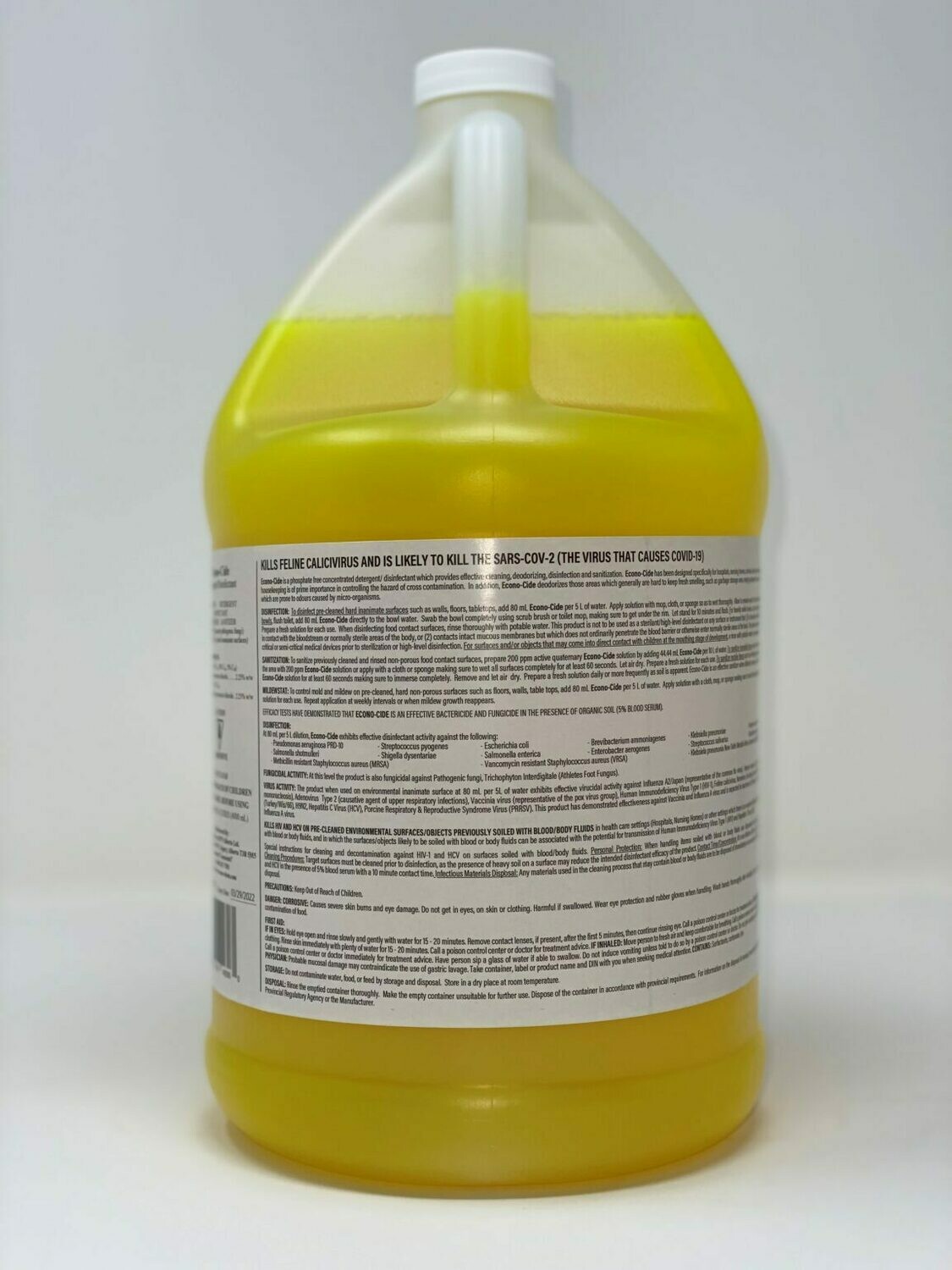
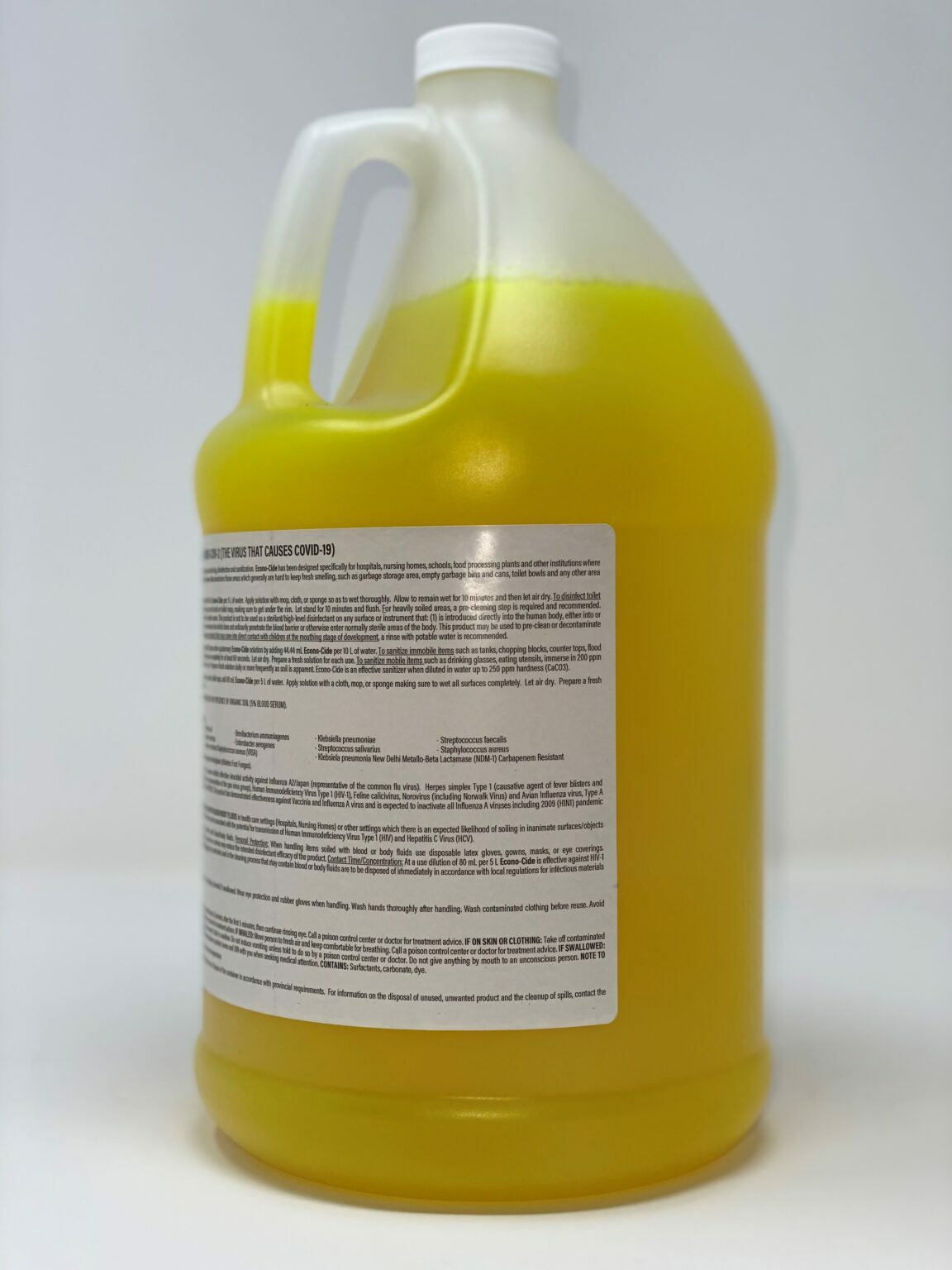
Disinfectant Spray-Econo-Cide
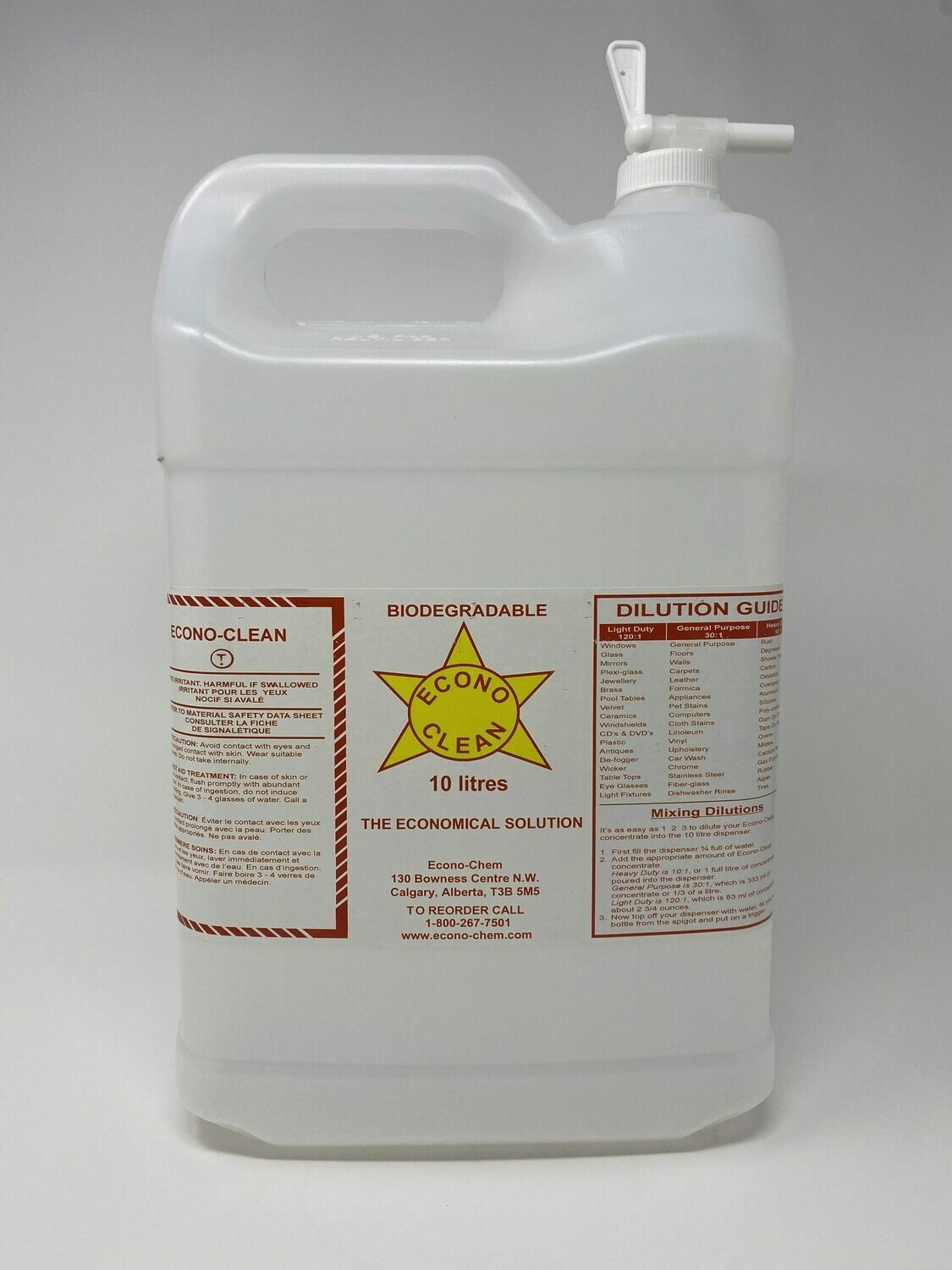
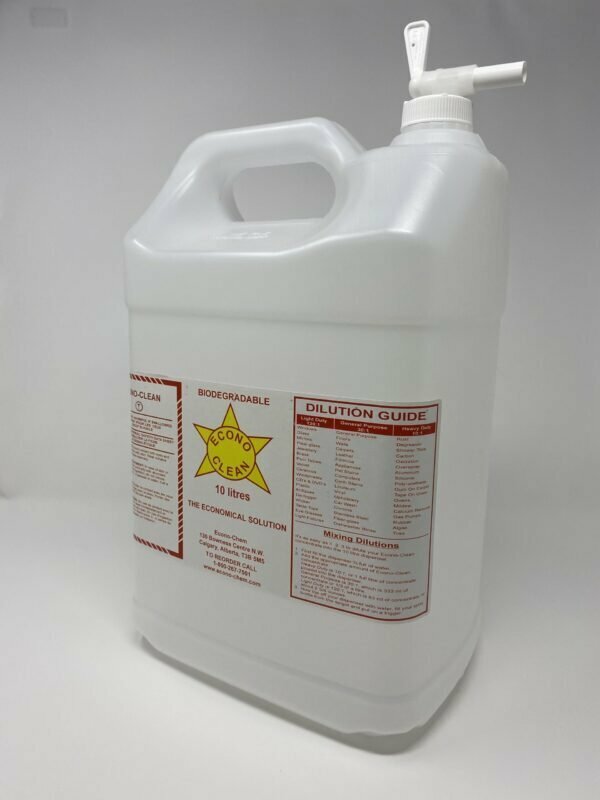
EZ-Fill 10 litre Dispenser
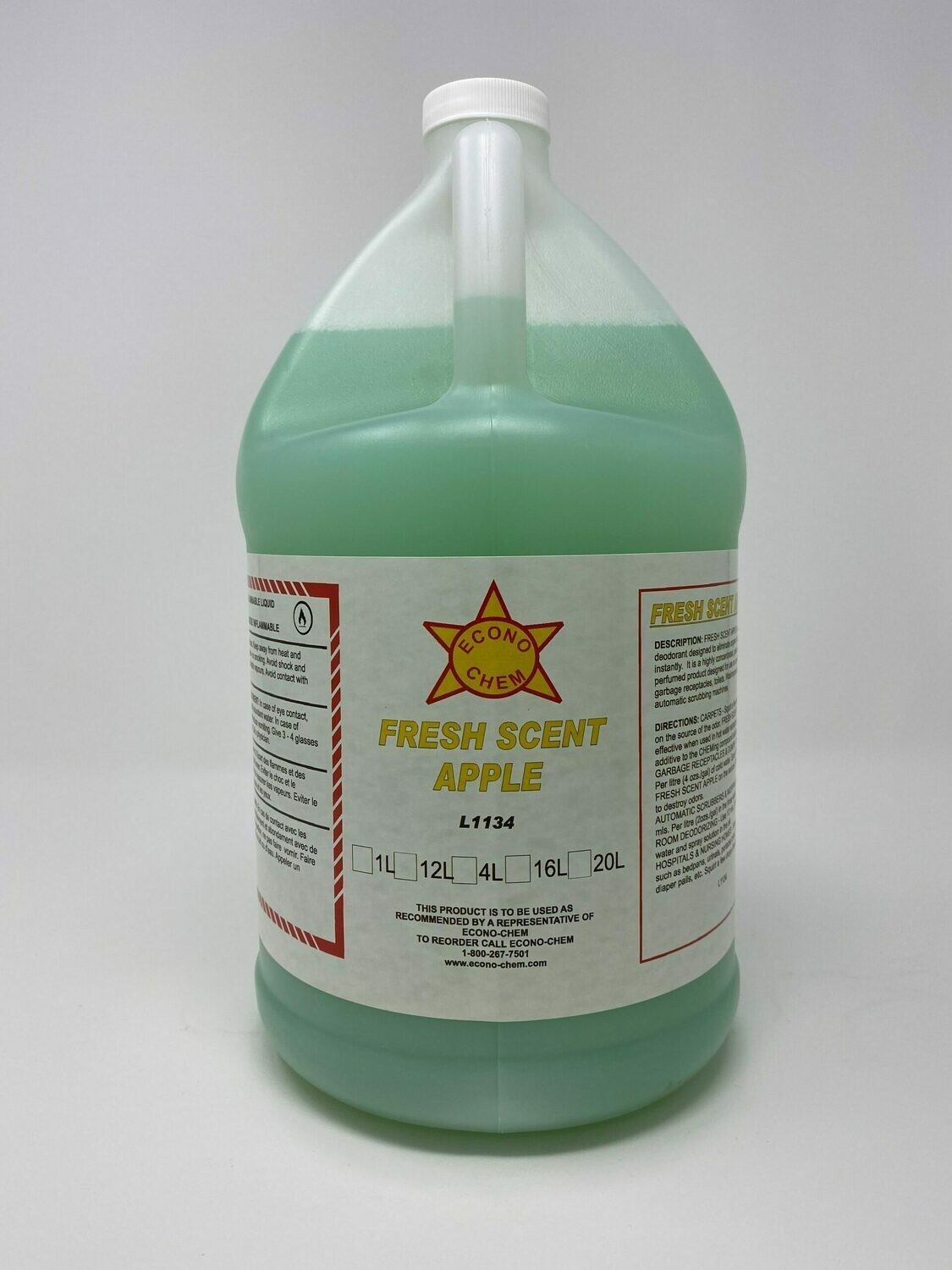
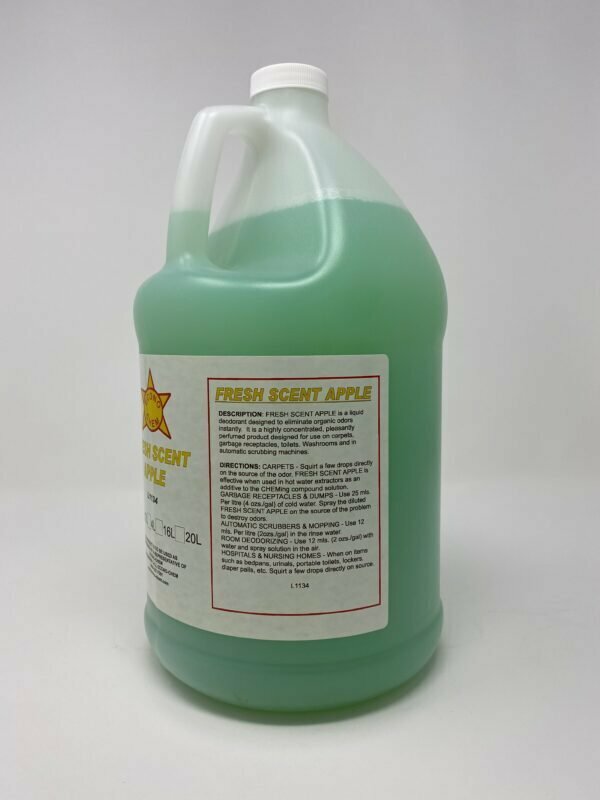
Fresh Scent Apple
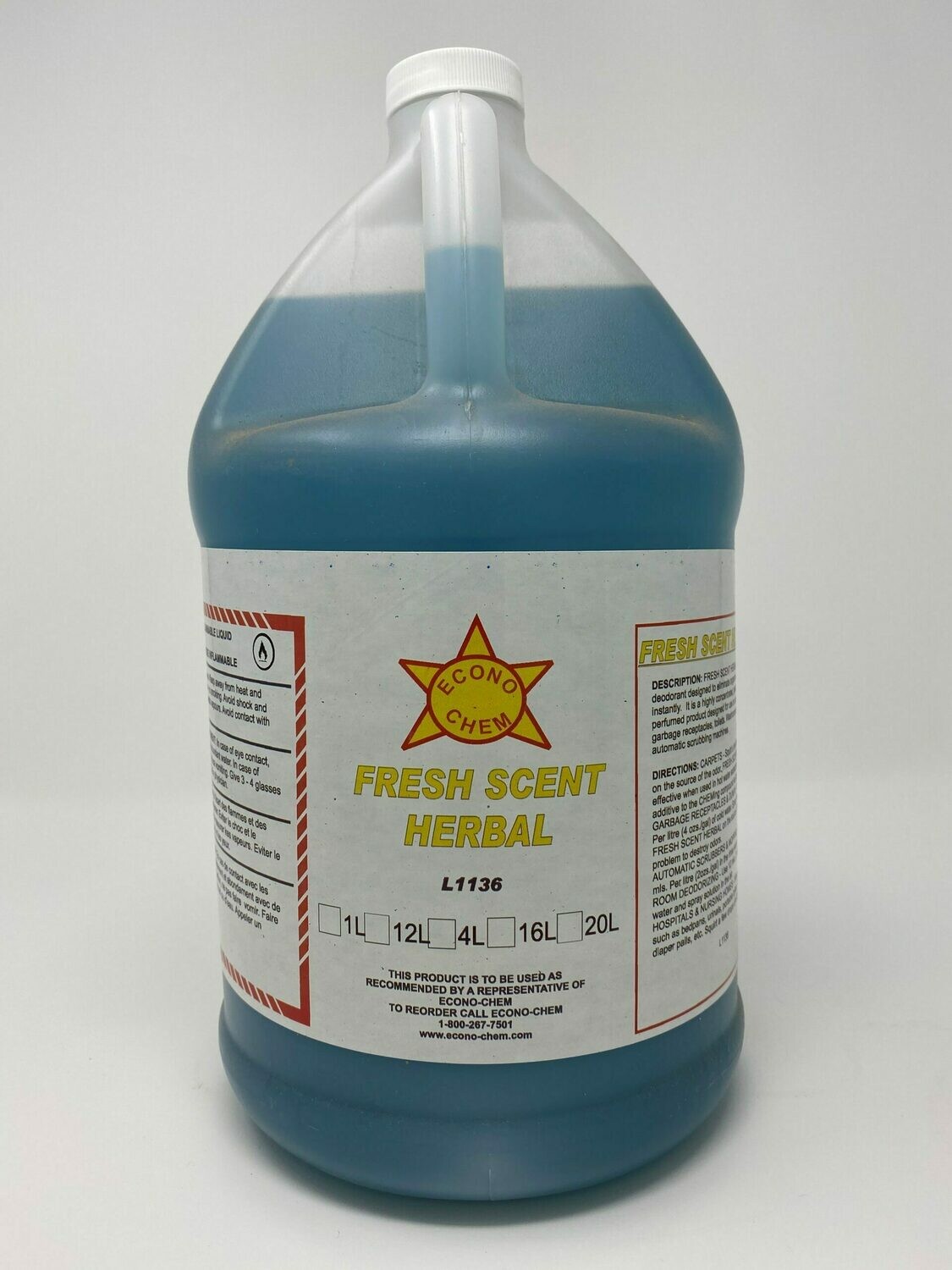
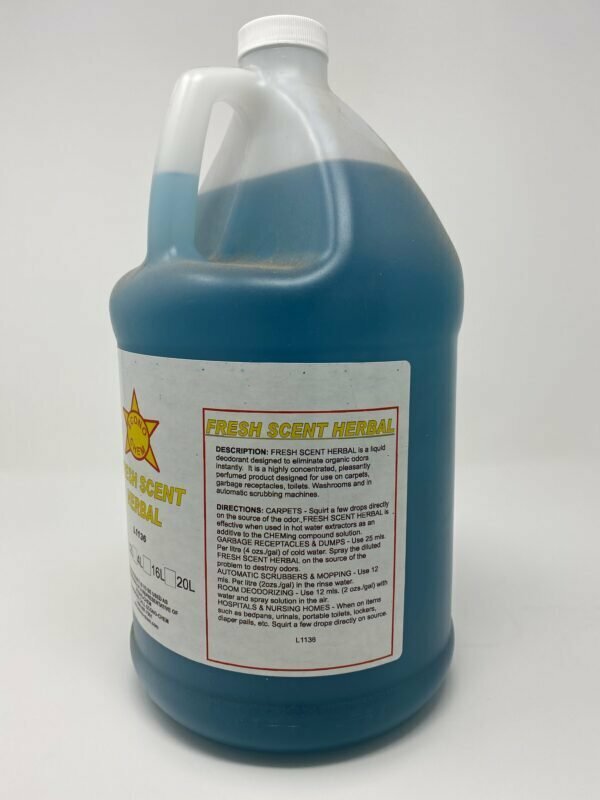
Fresh Scent Herbal
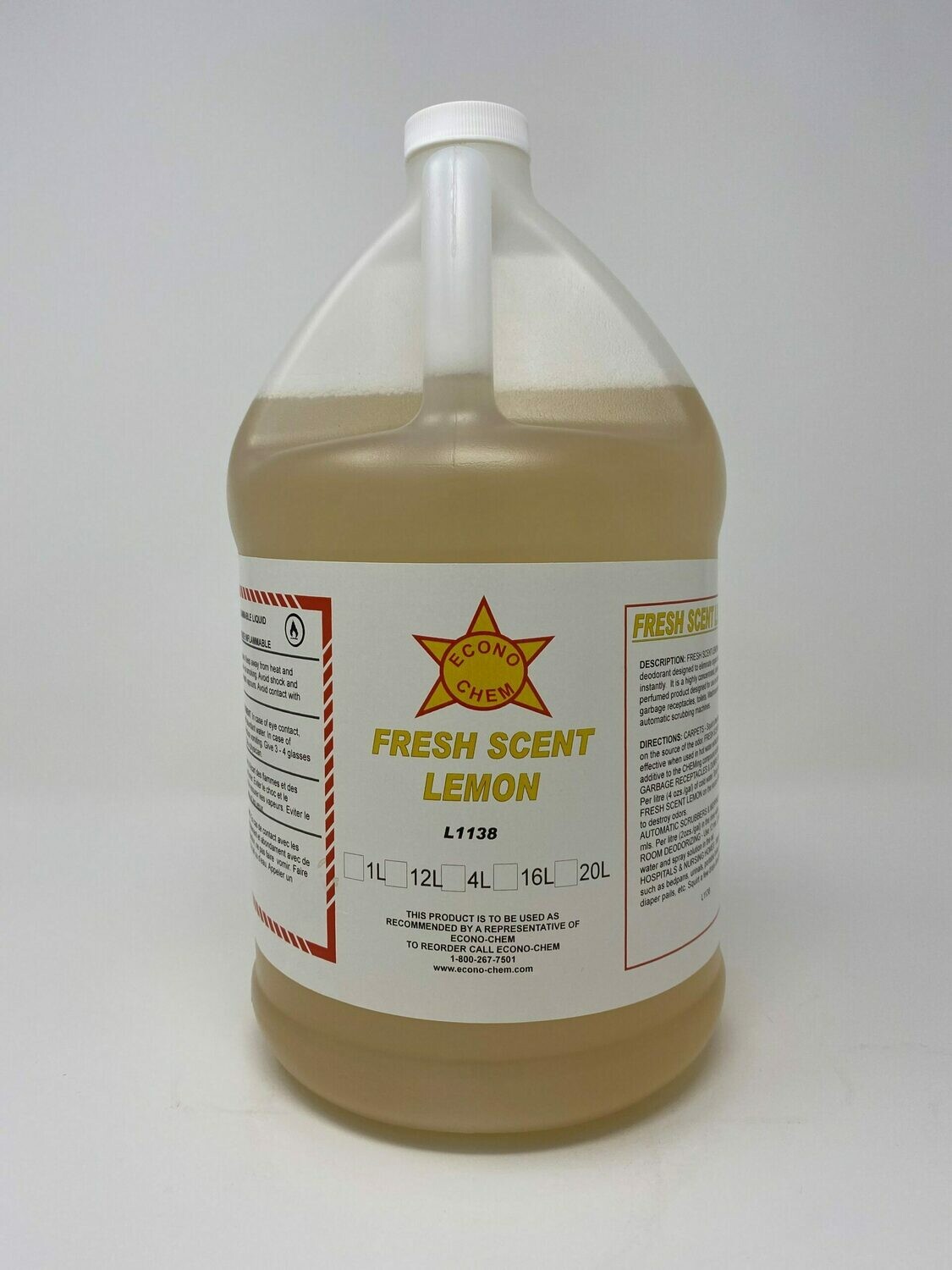
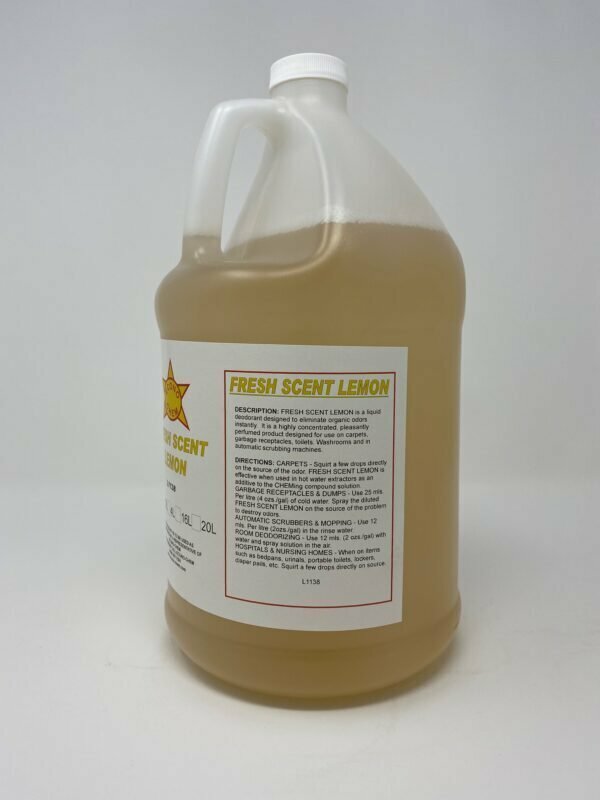
Fresh Scent Lemon
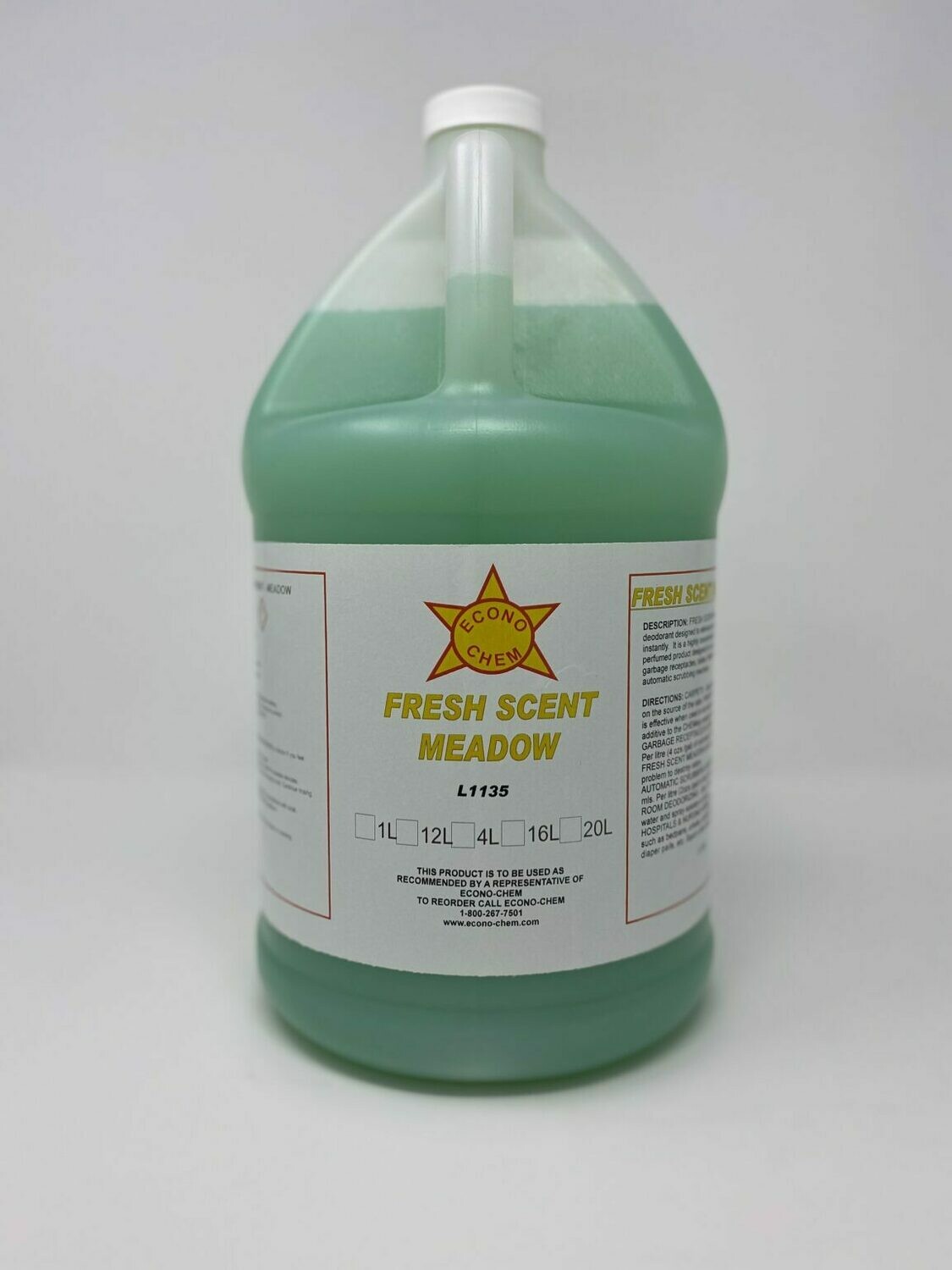
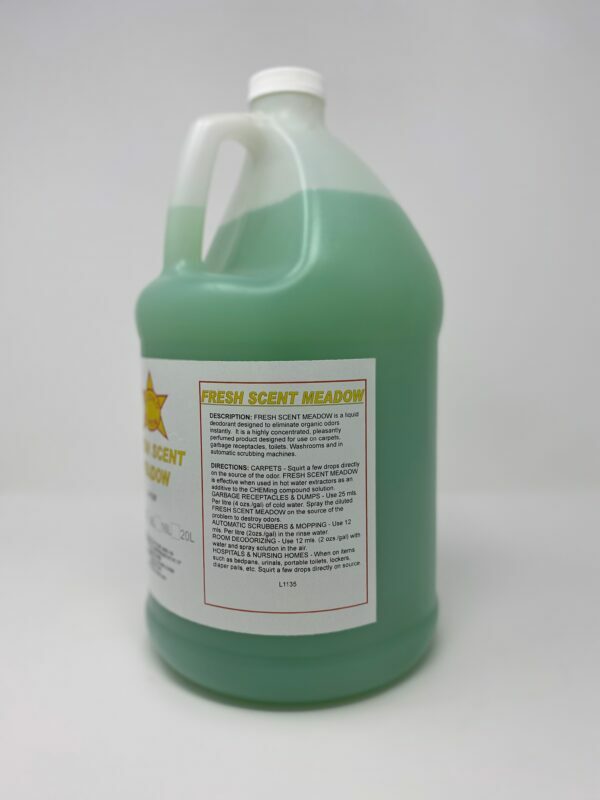
Fresh Scent Meadow
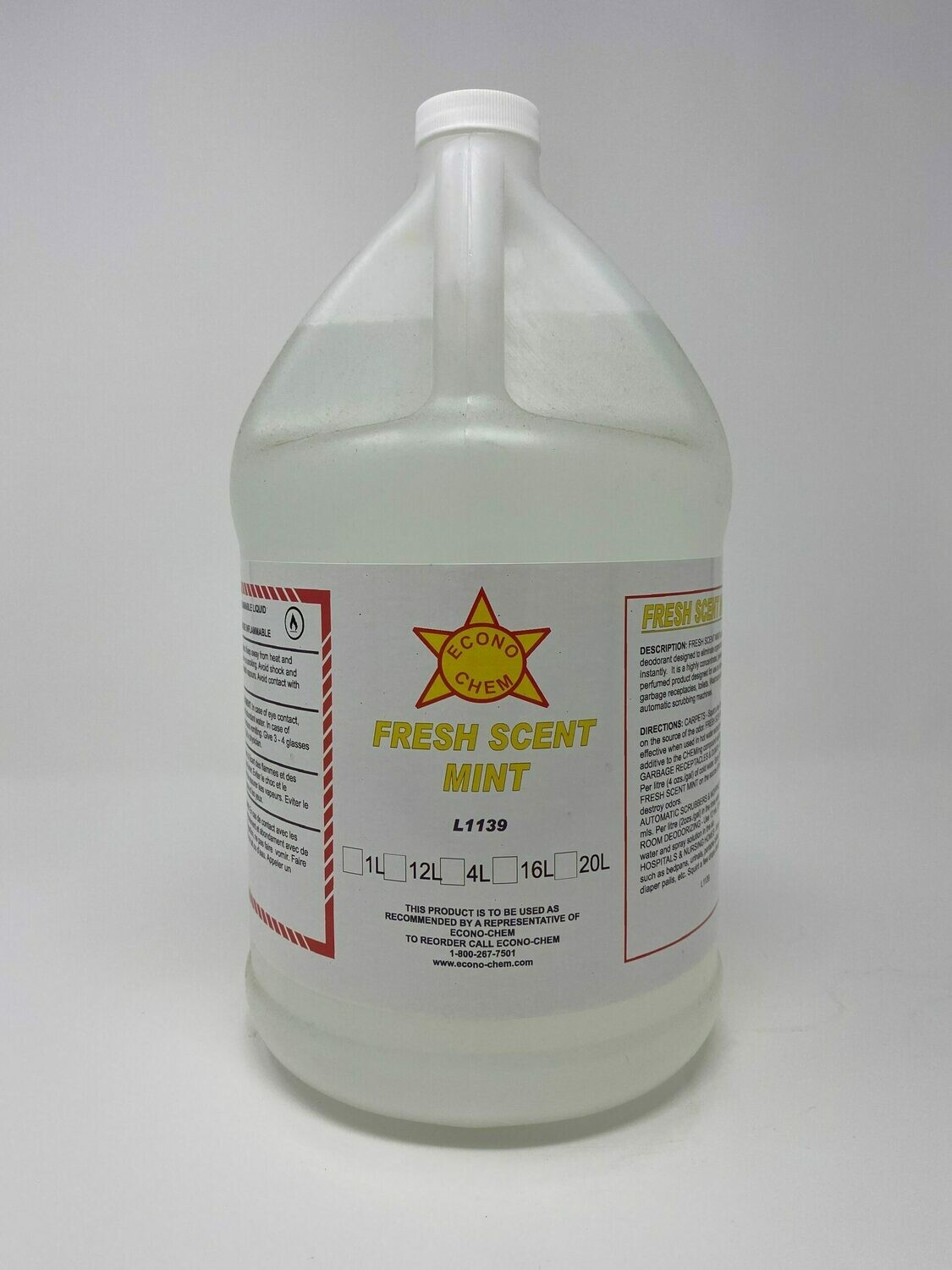
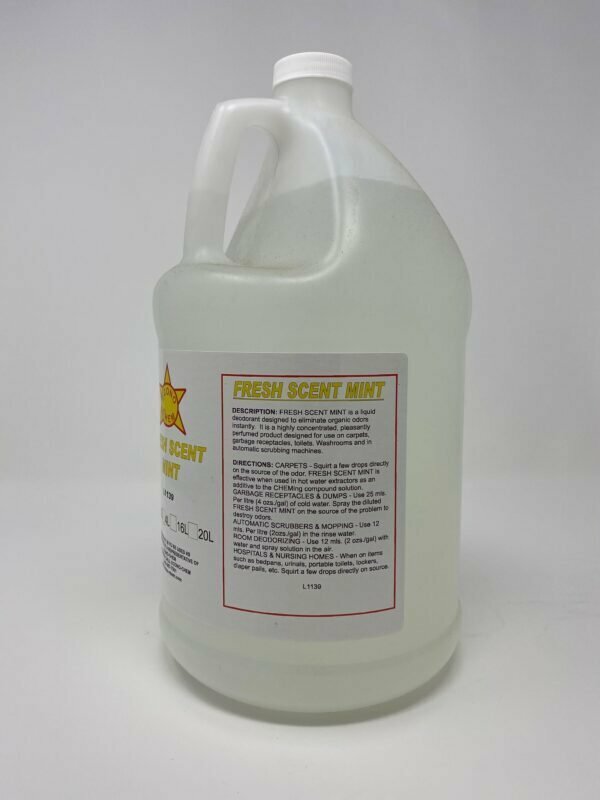
Fresh Scent Mint
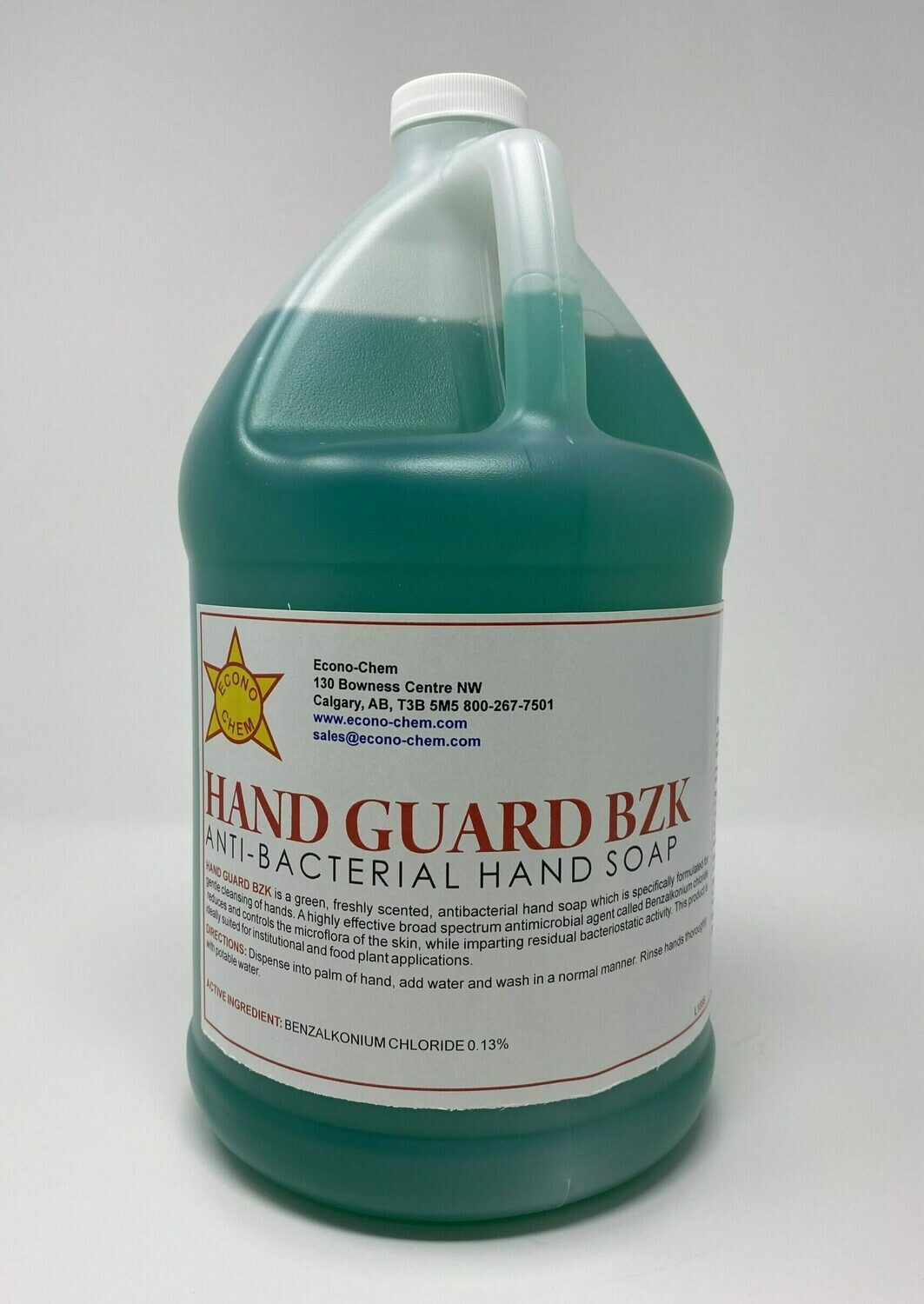
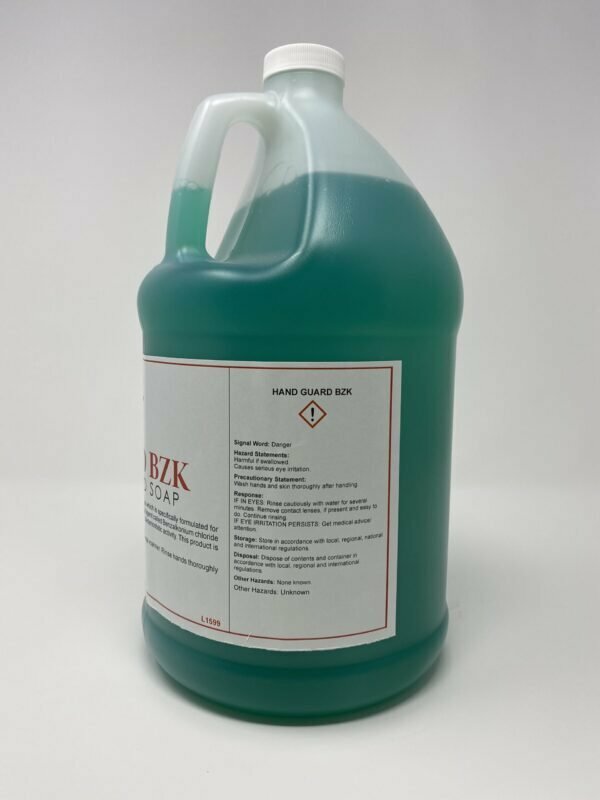
Hand Guard BZK Antibacterial Hand Soap
Micro-Fibre Cloth
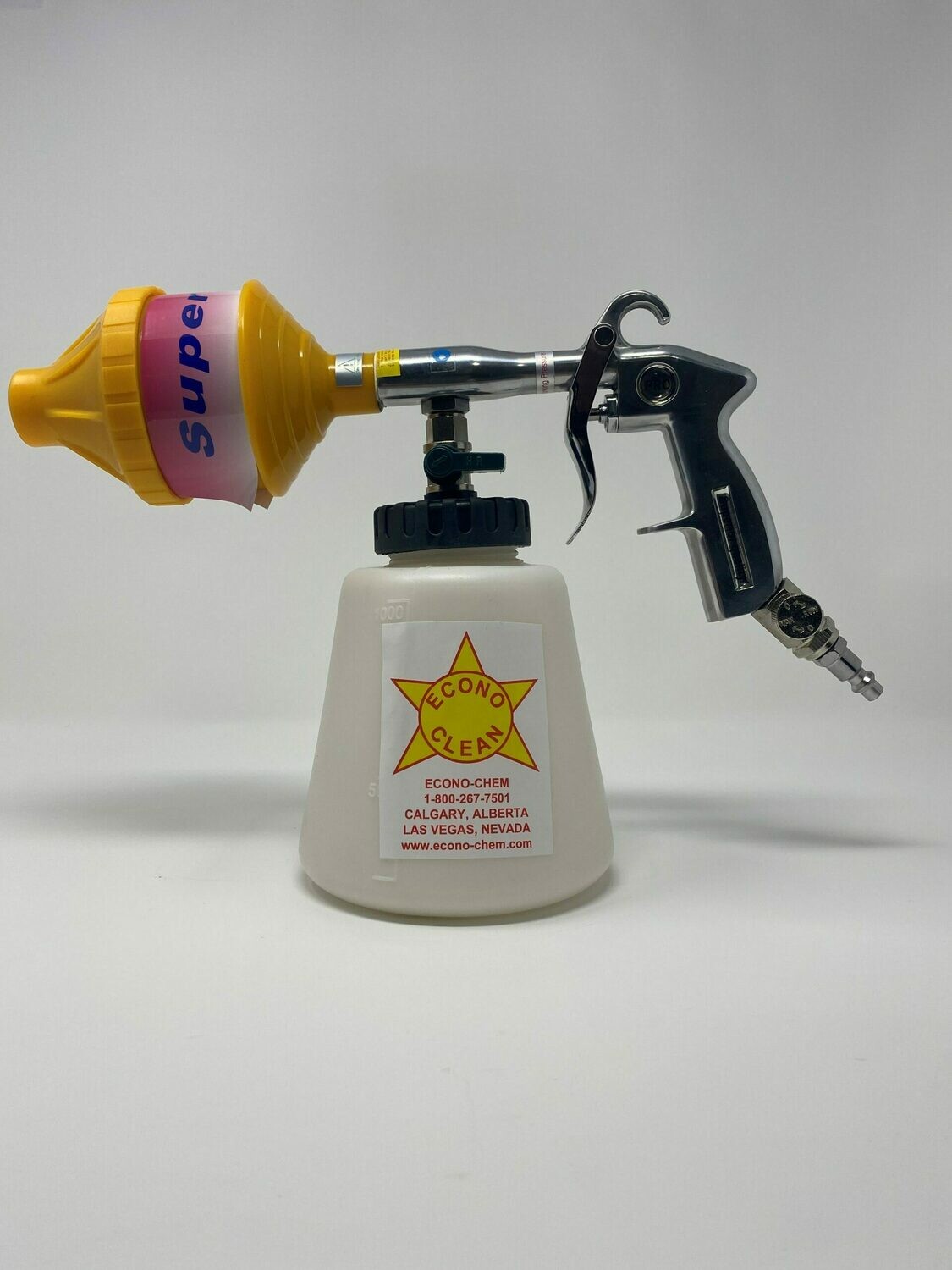
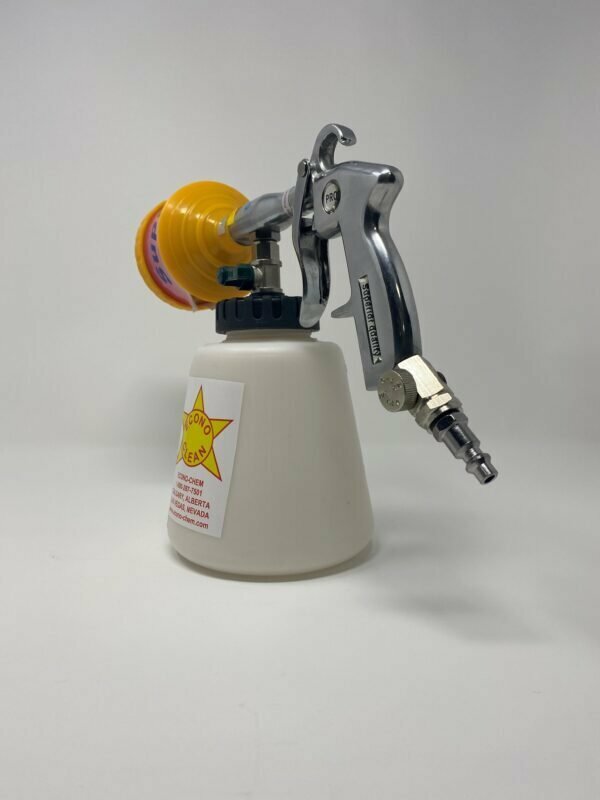
Pneumatic Air Foam Gun
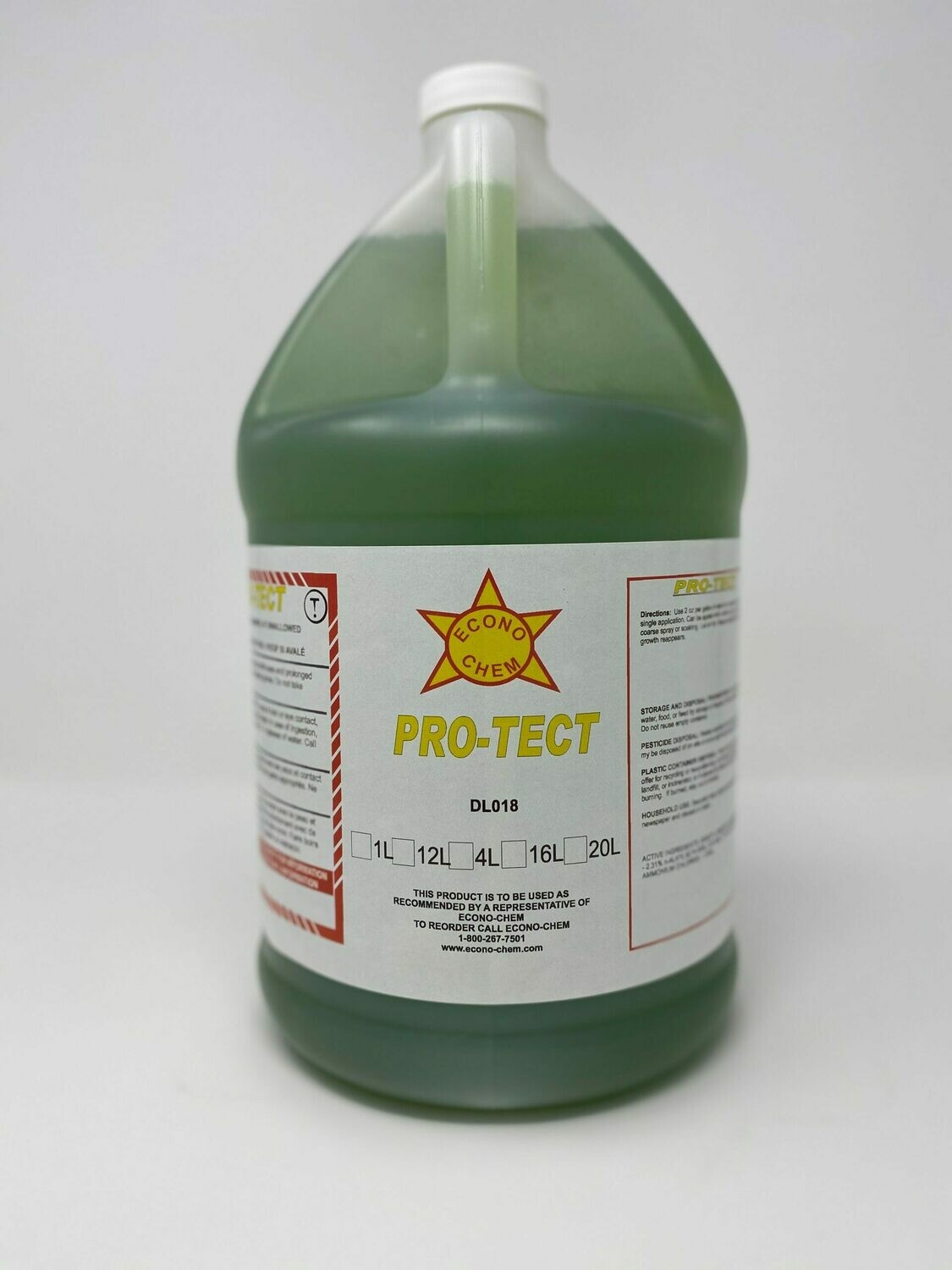
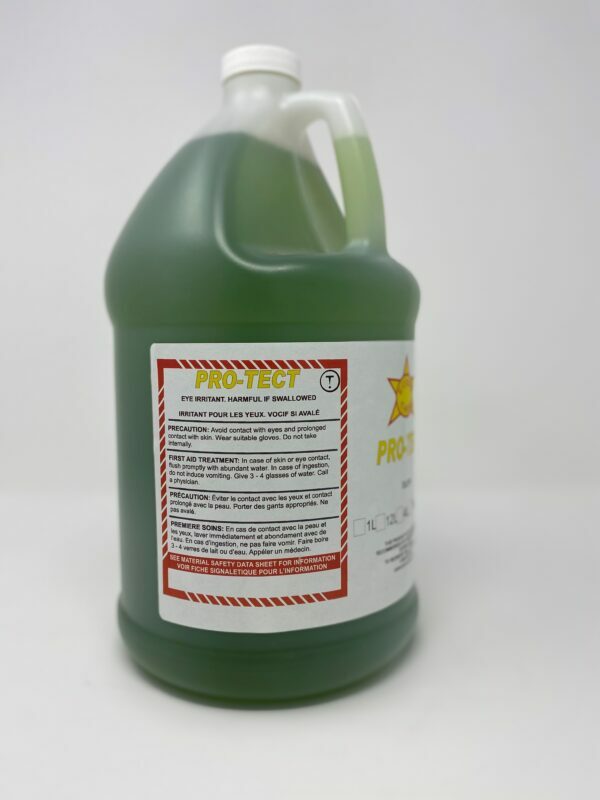
Pro-Tect
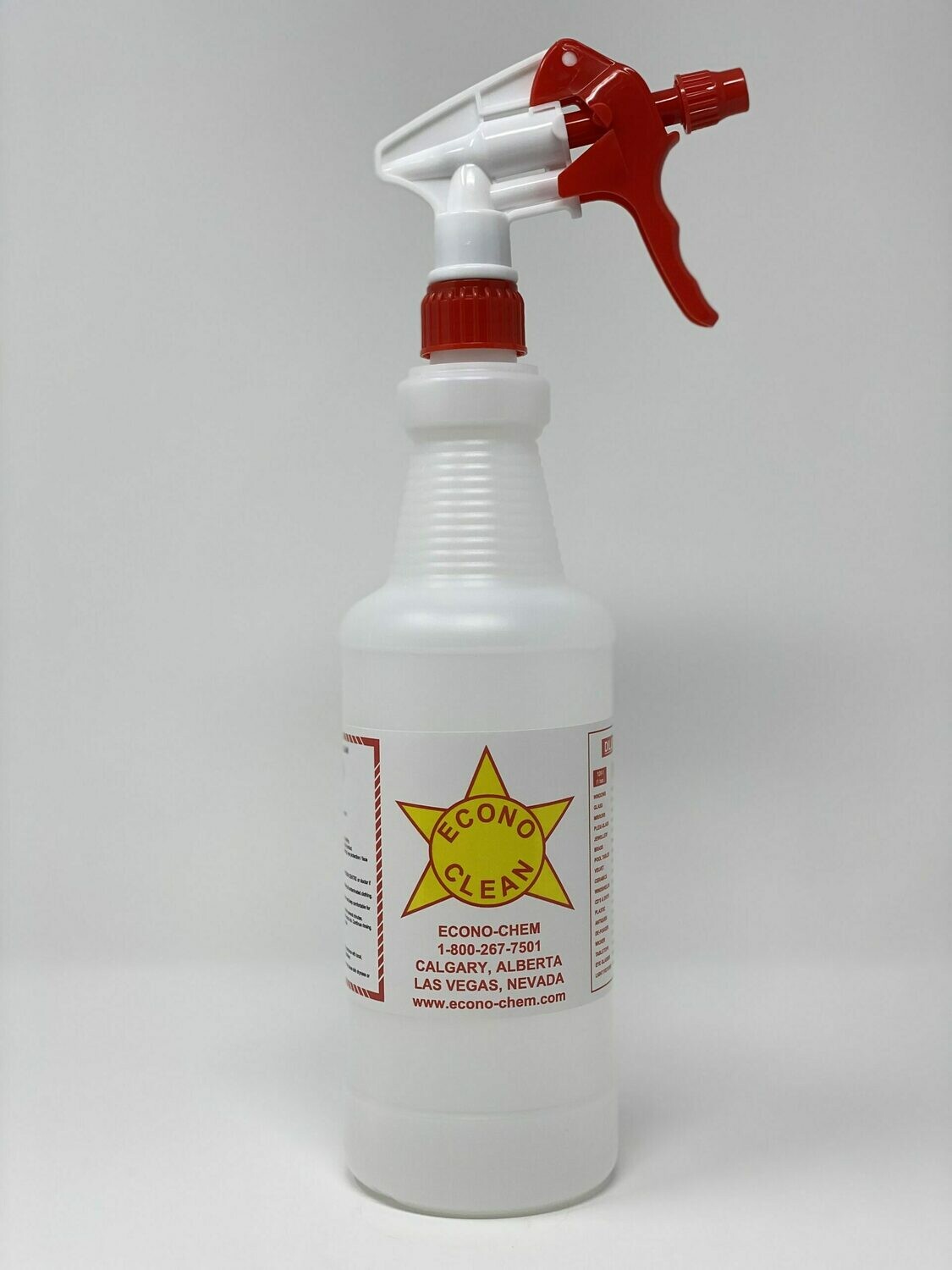
Spray Bottle with Heavy Duty Trigger - 1000mls
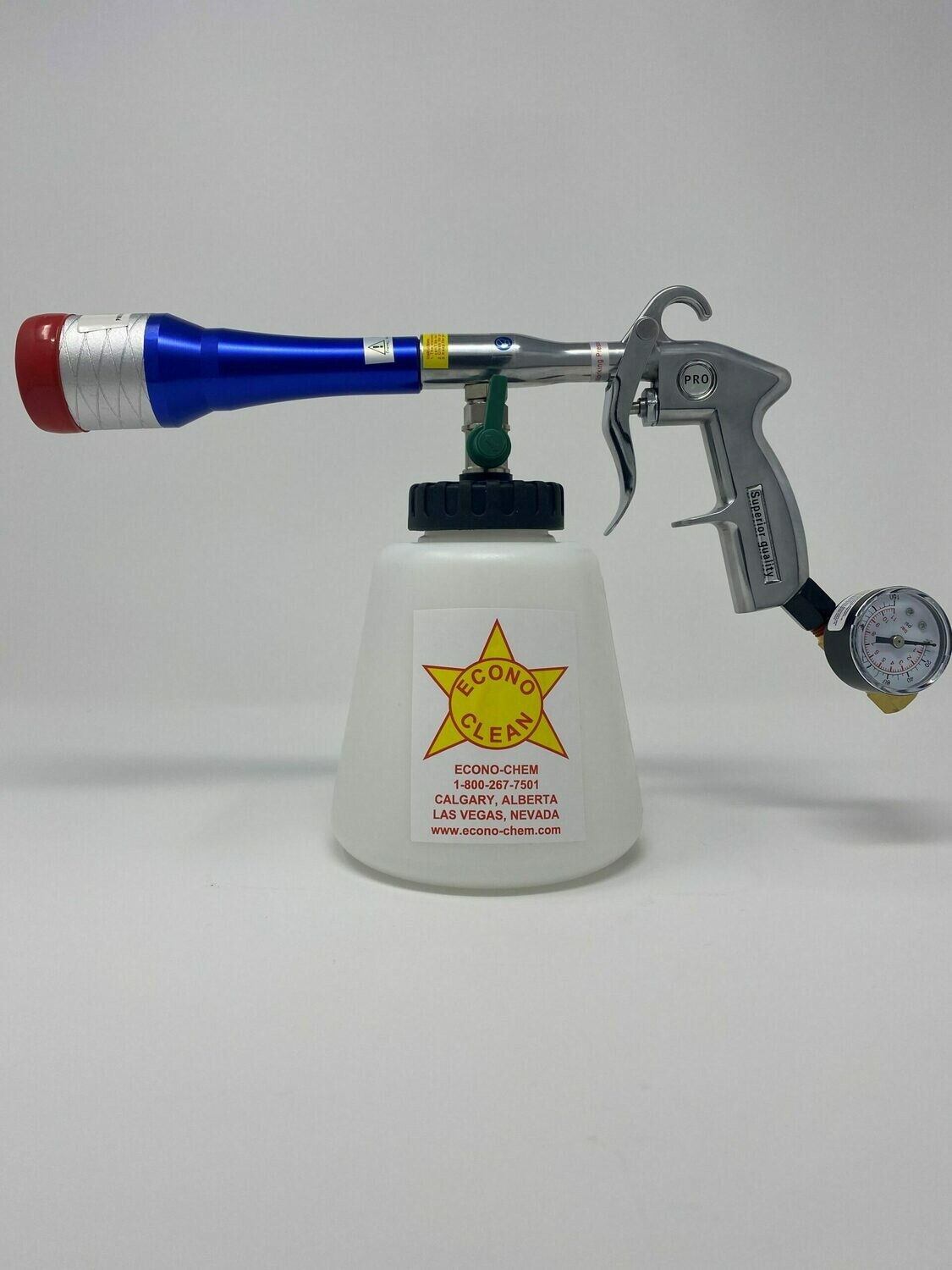
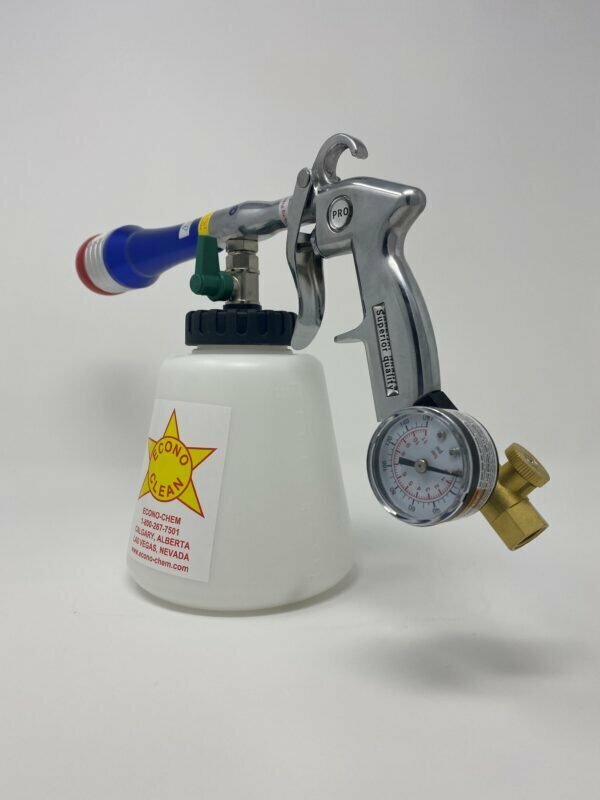
Tornado Cleaning Gun
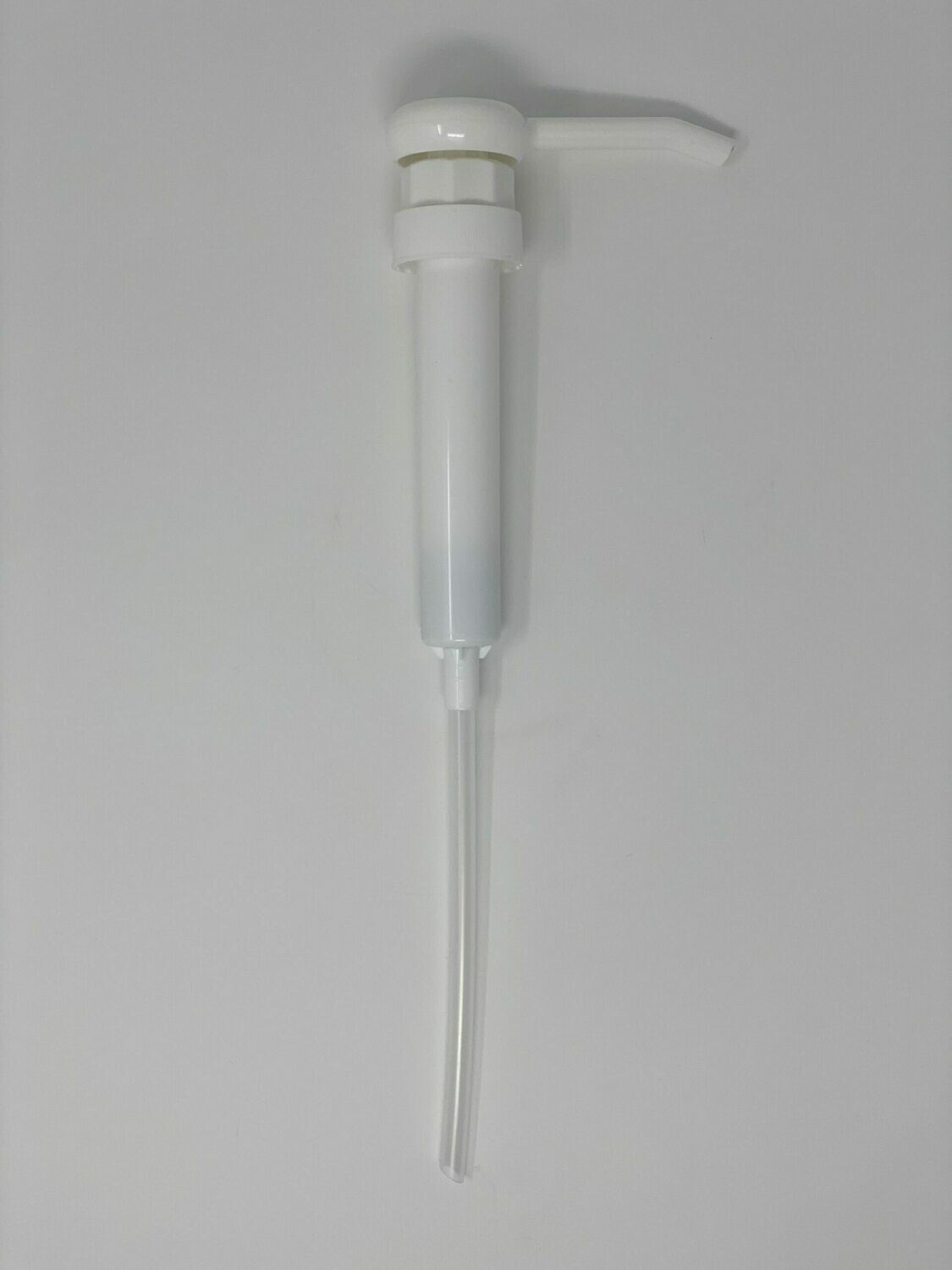
Dispensing Pump 4 litre-30 ml